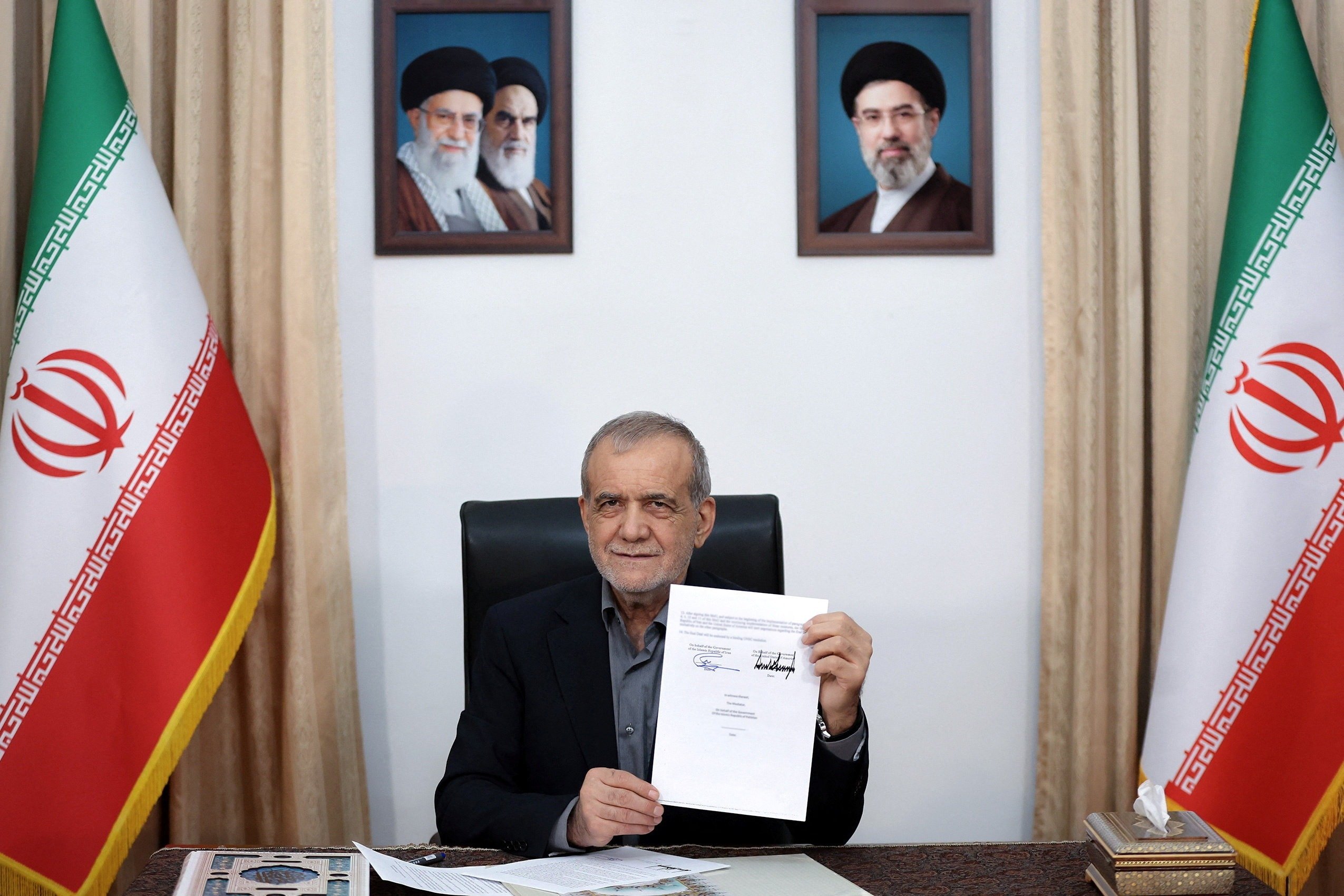
The Middle East is once again at a critical turning point. The 60-day ceasefire agreement reached between the U.S. and Iran appears, at first glance, to be a development that has brought relief to the region. Oil markets have caught their breath, the global economy has found some respite, and tensions around the Strait of Hormuz have eased. However, all of this should not make us forget one simple truth: The silence of the guns does not mean the war is over. Looking at the picture that has emerged today, we see not so much a lasting peace agreement as a fragile balance in which the parties are playing for time.
Upon examining the text of the agreement, the first thing that stands out is that the fundamental disagreements between the parties remain unresolved. Regional power struggles, including, foremost among them, Iran’s nuclear program, the lifting of sanctions and the threats posed by Israel, have not come to an end. In short, the parties have not resolved the crisis; they have merely bought themselves time to manage it. For this reason, the next 60 days look less like a peace process and more like a period of tough negotiations.
The Strait of Hormuz is nearly the only area where the parties’ common interests intersect. The U.S. does not want energy flows to be disrupted. Iran wants its oil exports to continue. Both sides are aware of the cost of a new energy crisis that would shake the global economy. For this reason, a common understanding has emerged regarding the Strait of Hormuz for the time being. However, it is not possible to say that this issue has been completely resolved. This is because critical topics, such as how the Strait will be managed in the future, Iran’s role in the region, and the mechanisms through which energy security will be ensured, are still awaiting discussion at the negotiating table.
The real sticking point, however, lies in Iran’s nuclear program. Taking into account Israel’s nuclear capabilities, the Tehran administration views its own nuclear infrastructure as an integral part of its national security. For this reason, it does not seem realistic for Iran to completely abandon its nuclear capacity. Iran’s position is clear: it is prepared to open its nuclear program to inspections, limit certain activities, or temporarily freeze them, but it will not agree to fully dismantle its capabilities.
The U.S. and Israel’s approach, however, is different: they want Iran’s nuclear capabilities to be completely eliminated. This is precisely where the fundamental point of conflict that will determine the future of the ceasefire lies.
Today, one of the greatest risks to the ceasefire is the Israeli factor. This is because Israel’s security doctrine is based on provocative aggression. Therefore, there is no guarantee that it will not attack Lebanon, Iran, Iraq or elsewhere tomorrow. This is where the problem begins. In such a scenario, Iran would likely retaliate, followed by the U.S. being drawn back into the conflict.
Why does the US hurry?
There is an important question that needs to be asked here. Why does the U.S. want a ceasefire now?
Wars produce consequences not only on the battlefield but also in the political arena. From Washington’s perspective, a prolonged conflict means economic costs, risks in energy markets and domestic political pressures. For this reason, ensuring that the next few months pass in a stable manner has become a key political objective for the U.S. administration.
However, history tells us that lasting peace rarely emerges from wars in which the parties fail to achieve their political objectives. Therefore, if a final resolution cannot be reached at the end of the current process, the likelihood of the war resuming after November appears high.
One of the encouraging developments today is the diplomatic initiatives of regional actors such as Türkiye, Pakistan, Egypt and Saudi Arabia. This is because the future of the Middle East will not be shaped solely by decisions made in Washington or Tel Aviv. The region’s own actors are now assuming more visible and influential roles. The path to lasting stability lies not in temporary ceasefires, but in new political mechanisms capable of establishing a regional security architecture.
The only positive reality today is that the guns have fallen silent. However, the causes of the war have not been eliminated. The nuclear issue remains unresolved. The Israeli factor has not disappeared. The struggle for regional influence has not ended. The disputes over the Strait of Hormuz have not ended. For this reason, the next 60 days will be a critical test that will determine whether the ceasefire will turn into a lasting peace. Silence may prevail in the Middle East today. But is this silence the sound of peace, or the calm before a new storm? That is the question that awaits an answer.
The views and opinions expressed in this article are solely those of the author. They do not necessarily reflect the editorial stance, values or position of Daily Sabah. The newspaper provides space for diverse perspectives as part of its commitment to open and informed public discussion.
DAILYSABAH
هلدینگ کاسپین استانبول | خرید ملک در ترکیه | صرافی معتبر ایرانی در ترکیه | خرید و فروش طلا در ترکیه | مهاجرت به ترکیه | واردات و صادرات در ترکیه | نیازمندیهای ترکیه | اخبار ترکیه | اخبار جهانی | توریست ایران | خدمات توریستی در ایران | تورهای گردشگری ایران | هلدینگ اول | خدمات کاریابی و فریلنسری و شغل | مرجع اطلاعات ایران (همه چیز در ایران) | کیف پول و خدمات مالی و پرداخت یار | اخبار ایران | تابلو زنده قیمت ارز در ترکیه و استانبول | صرافی آنلاین ترکیه | قیمت طلا و نقره در ترکیه | سرمایه گذاری در ترکیه | جواهرات در ترکیه | نرخ لحظه ای ارزها در استانبول | قیمت دلار امروز در ترکیه | قیمت دلار استانبول امروز | قیمت لحظه ای دلار | اخبار روز ترکیه استانبول | اپلیکیشن ISTEX | اپلیکیشن قیمت لحظه ای دلار و یورو و لیر و ارزها در ترکیه
About the Author