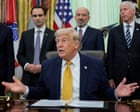
The memorandum signed in Islamabad on 17 June is unusual for one reason before anything else: Washington and Tehran are publicly describing the same deal. Previous purported agreements in this conflict produced wildly different accounts of what had supposedly been settled. This time, both governments agree on what they agreed to. That convergence is a real signal that both sides want the fighting to stop, at least for now. It is also about the last unambiguous piece of good news the text contains.
The document links seven distinct crisis files in one architecture. Article 1 halts military operations on all fronts, and Lebanon is mentioned three times in the first paragraph alone. The same article commits the parties to “ensuring the territorial integrity of Lebanon,” language Israel will not honor until Hezbollah is fully dismantled and the Lebanese Armed Forces actually control the southern border, a goal still a long way off. Article 2 binds both sides to non-interference in internal affairs. Articles 4 and 5 cover the naval blockade and Hormuz. Articles 6, 7, and 11 cover reconstruction, sanctions, and frozen assets. Articles 8 through 10 preserve the nuclear status quo without resolving it. Articles 12 through 14 establish monitoring and a path to a United Nations Security Council-endorsed final agreement. The structure itself carries a message. Some provisions take effect immediately. Others wait for a 60-day negotiation whose outcome stays open.
The architecture is bundled because neither side had the leverage to settle any one file alone. Washington could not convert months of strikes into a clean nuclear settlement. Tehran would not sign a deal that resolved the nuclear question while leaving Lebanon exposed to Israeli strikes. So each file became collateral for the others: Hormuz for sanctions relief, Lebanon for nuclear restraint, and the non-interference clause in Article 2 became both Washington’s price for cooperation and Tehran’s price for not facing externally backed unrest at home.
Reading what each side actually received clarifies how uneven that exchange was. Iran gets the end of the U.S. naval blockade within 30 days, meaning oil starts flowing and cash starts moving before the core negotiations even begin. It gets oil waivers that take effect immediately rather than waiting for the final deal. It gets frozen assets described in the text as “made fully usable for payment to any ultimate beneficiary designated by the Central Bank of Iran,” with no staged conditions attached to that language. And it gets an estimated 300 billion dollars in reconstruction and development funds, with that figure at serious risk of capture by the Islamic Revolutionary Guard Corps (IRGC)-affiliated networks, which control both Iranian security and most of the country’s profitable commercial sector.
The United States gets commercial transit through Hormuz “with no charge for 60 days only,” a temporary ceiling, not a permanent guarantee. It gets Iran’s reaffirmation that it will not procure or develop nuclear weapons, a commitment Tehran has offered in various forms before, without the international community finding adequate grounds for confidence.
The nuclear clause deserves particular scrutiny. Articles 8 through 10 state that Iran will not build a weapon and that the prior status quo holds, but leave the enriched uranium stockpile to the 60-day window. The methodology specified for handling that stockpile is “down blending on site,” meaning Iran retains control of both the material and the process, including who gets access and how verification is conducted. Given the history of the International Atomic Energy Agency (IAEA) inspection disputes with Tehran, this provision is likely to generate exactly the slow technical attrition that allows a freeze to drift rather than deepen.
Limits of the bargain
None of the three parties can fully enforce what it signed. Inside the Trump administration, Secretary of State Marco Rubio and Secretary of Defense Pete Hegseth raised sharp objections before the deal went through. Vice President JD Vance and special envoys Steve Witkoff and Jared Kushner pushed it forward regardless. CIA Director John Ratcliffe communicated doubts about Iranian compliance directly to the President. The institutional division is not resolved. Rubio and Hegseth retain the bureaucratic reach to slow implementation from inside the departments responsible for executing it.
Inside Israel, Prime Minister Benjamin Netanyahu’s government reads the memorandum not as a win but as a structural constraint. The text refers to the U.S., Iran, and their allies as parties to the agreement. Whether Israel actually consented to be included in that formulation remains genuinely unclear. Israeli Finance Minister Bezalel Smotrich and National Security Minister Itamar Ben-Gvir remain openly in favor of continued operations. Netanyahu himself understands that no future American president is likely to return to active hostilities against Iran, which makes him less, not more, willing to accept the diplomatic ceiling the memorandum places on Israeli action.
Inside Iran, a pragmatist bloc around President Masoud Pezeshkian, Foreign Minister Abbas Araghchi and Parliament Speaker Mohammad Bagher Ghalibaf operates with the calculated, deniable consent of the new Supreme Leader Mojtaba Khamenei, who framed the deal publicly as a decision he allowed the presidency and the Supreme National Security Council to make, preserving the option to disown it if it collapses. The Paydari Front and the Raifipur network are calling it a surrender. Radical groups that gathered nightly outside the foreign ministry to oppose the talks went quiet after the signing but are now demanding parliamentary ratification, and some have floated impeachment proceedings against Pezeshkian. The domestic cost of the Hormuz reopening and the waiver of war reparations, repackaged in the text as ‘reconstruction’ rather than compensation, gives the hardline opposition exactly the material it needs.
The economic provisions carry their own structural limits. Sanctions relief belongs formally to the final deal, not this one. A large share of the relevant architecture sits in congressional statute rather than executive order, so no presidential signature alone unwinds it. The text uses the word “undertakes” when committing Washington to terminate all types of sanctions, and that single hedge does considerable work given how layered the sanctions regime has become over two decades of legislative accumulation. What Araghchi is reading as full normalization and what the U.S. executive branch can actually deliver without congressional cooperation are not the same thing.
The path to a U.N. Security Council-endorsed final agreement in Articles 12 through 14 faces a different obstacle. The text implies Washington is speaking for all five permanent members, a substantial assumption. Russia holds a veto and has no obvious incentive to ratify an arrangement that pulls Iran’s economy toward dollar-based financial networks and away from the China-Russia bloc that sustained Tehran through the sanctions years.
Lebanon remains the sharpest fault line. Iran’s insistence on including it in Article 1 was not symbolic. Tehran treats Lebanon’s status as an organic component of its own regional security, not a proxy instrument to be traded. Israel treats any constraint on its freedom of action against Hezbollah as unacceptable, agreed in a deal where it had no real voice. Hezbollah has already used the Lebanon clause to argue that any security arrangement excluding Iran carries no legal weight, weakening the case for disarmament before the final talks have even begun. Araghchi stated publicly that Washington is responsible for ensuring the Lebanon provisions are honored. Reports already allege Iran briefly reclosed Hormuz in response to continued Israeli strikes there. The two issues are now linked in practice, whether or not the text separates them.
Middle powers as architects
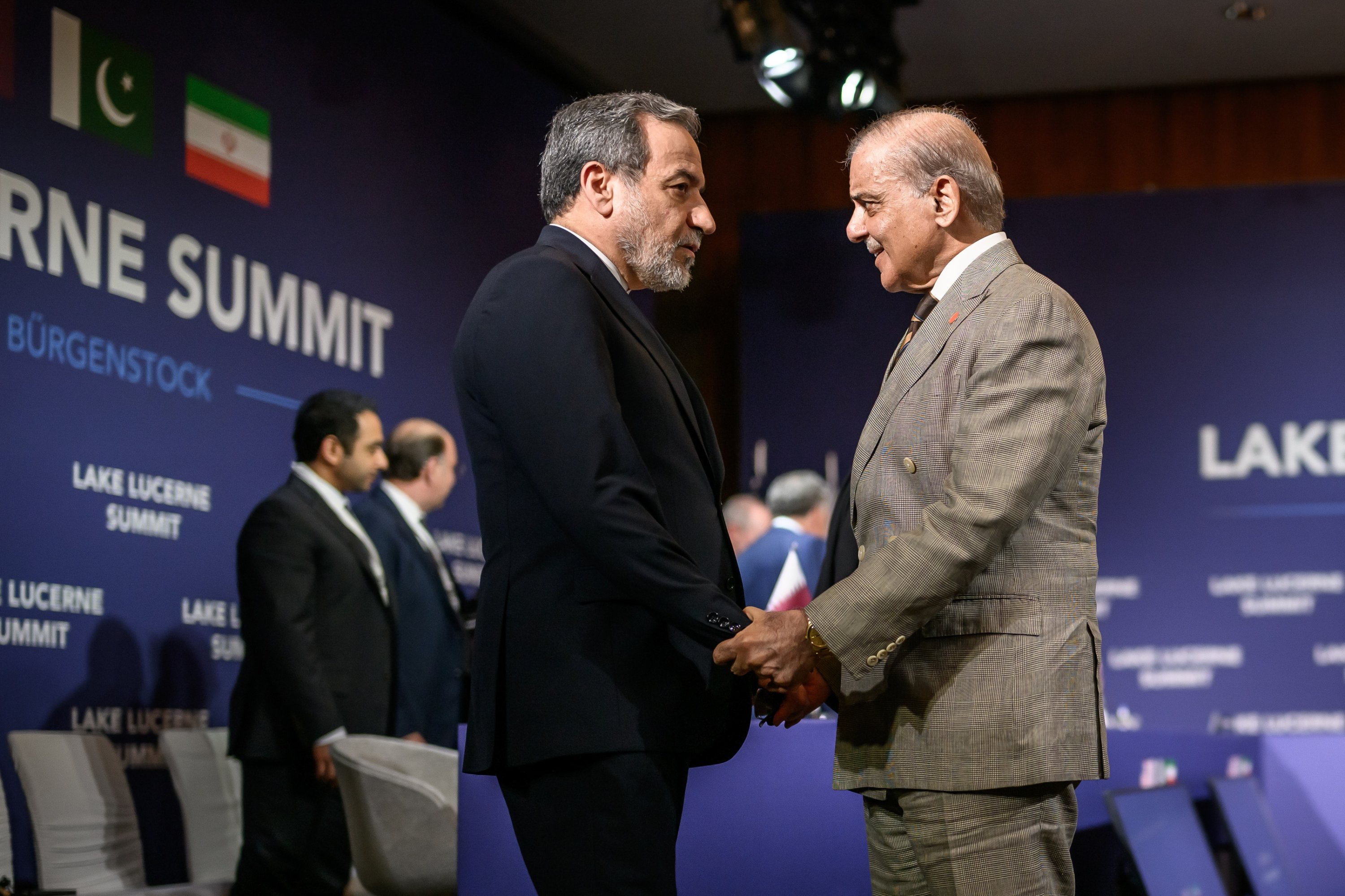
This is precisely where Pakistan’s role as guarantor and the coordinating bloc of Türkiye, Pakistan, Saudi Arabia and Egypt did specific and irreplaceable work. Washington could not produce a deal that Tehran would sign without Islamabad’s channel. Pezeshkian’s government could not put its name next to Trump’s without a third party that both Tehran’s pragmatists and its skeptics had reason to trust. The Islamabad venue and the coordination that preceded it were not diplomatic decoration. It was the mechanism that made the text possible.
Türkiye’s position within that coordination rests on one specific capacity: Ankara can hold simultaneous working channels with Washington, Tehran and the Gulf capitals without being captured by any of them. That is what makes it indispensable to a process none of the principals can finish alone. The Islamabad-Ankara-Riyadh-Cairo track that produced the memorandum now faces its harder task: keeping the Lebanon clause alive against Israeli pressure, keeping Pezeshkian’s coalition intact before the Supreme Leader’s calculated distance turns into active withdrawal of support, and ensuring that Russia does not use its UNSC veto to collapse the multilateral ratification framework before the sixty days run out. Whether the memorandum becomes a durable settlement or a documented failure depends on whether this coordinating bloc can hold together for that specific and limited task.
DAILYSABAH
هلدینگ کاسپین استانبول | خرید ملک در ترکیه | صرافی معتبر ایرانی در ترکیه | خرید و فروش طلا در ترکیه | مهاجرت به ترکیه | واردات و صادرات در ترکیه | نیازمندیهای ترکیه | اخبار ترکیه | اخبار جهانی | توریست ایران | خدمات توریستی در ایران | تورهای گردشگری ایران | هلدینگ اول | خدمات کاریابی و فریلنسری و شغل | مرجع اطلاعات ایران (همه چیز در ایران) | کیف پول و خدمات مالی و پرداخت یار | اخبار ایران | تابلو زنده قیمت ارز در ترکیه و استانبول | صرافی آنلاین ترکیه | قیمت طلا و نقره در ترکیه | سرمایه گذاری در ترکیه | جواهرات در ترکیه | نرخ لحظه ای ارزها در استانبول | قیمت دلار امروز در ترکیه | قیمت دلار استانبول امروز | قیمت لحظه ای دلار | اخبار روز ترکیه استانبول | اپلیکیشن ISTEX | اپلیکیشن قیمت لحظه ای دلار و یورو و لیر و ارزها در ترکیه
About the Author