Spain and Austria meet Thursday night at SoFi Stadium in the Round of 32 of the 2026 World Cup, with a last-16 spot and a potential showdown against Portugal or Croatia at stake.
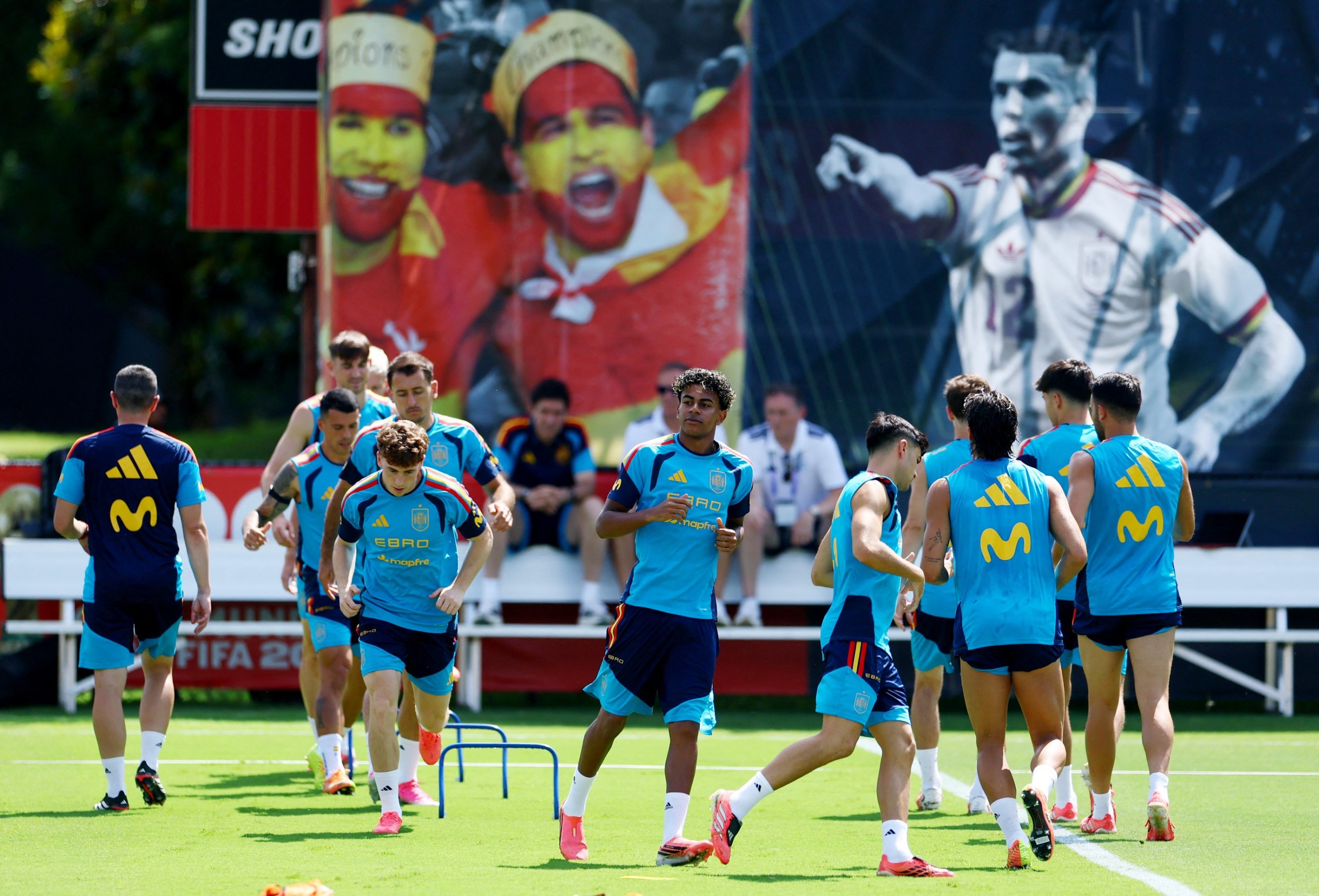
Spain national football team enter the knockout stage with the tournament’s most controlled defensive profile so far, built on structure, possession security, and suffocating game management under Luis de la Fuente.
After an opening draw with Cape Verde, Spain settled quickly into rhythm, taking seven points from nine in Group H and finishing top without conceding a single goal.
The numbers underline the scale of their dominance. Spain have not conceded in North America during the tournament, have not faced a first-half shot on target, and have kept opponents to six shots or fewer in each of their last five World Cup matches.
That level of control is historically rare in the modern game, where even top sides usually absorb sustained pressure at some stage of a group campaign.
Their final group match, a 1-0 win over Uruguay, was less about attacking fluency and more about game control. Alex Baena provided the decisive moment, but Spain’s defensive unit dictated the tone throughout, shutting down transitions and limiting space in wide areas.
Spain’s unbeaten run now stands at 34 matches in all competitions, excluding penalty shootouts. That leaves them one match short of their national record and within reach of one of the longest streaks in international football history. The benchmark remains Italy national football team’s 37-match run under their Euro 2020-winning cycle, but Spain are moving into that conversation with consistency rather than spectacle.
The biggest question for Spain is not defensive stability but attacking availability. Injuries have reduced depth in wide areas, with Yeremy Pino, Nico Williams and Víctor Muñoz all either unavailable or uncertain. That shifts creative responsibility onto a narrower core of attackers and makes efficiency more important than volume.
Selection-wise, the midfield remains the main tactical lever. Mikel Merino started the Uruguay match, offering physical balance and aerial strength, but competition remains open. Fabian Ruiz provides progression through passing, Dani Olmo brings between-the-lines creativity, and Gavi offers intensity and pressing energy. The final choice shapes whether Spain lean toward control or vertical threat.
Austria national football team arrive in a completely different competitive posture, defined less by control and more by survival, timing, and resilience.
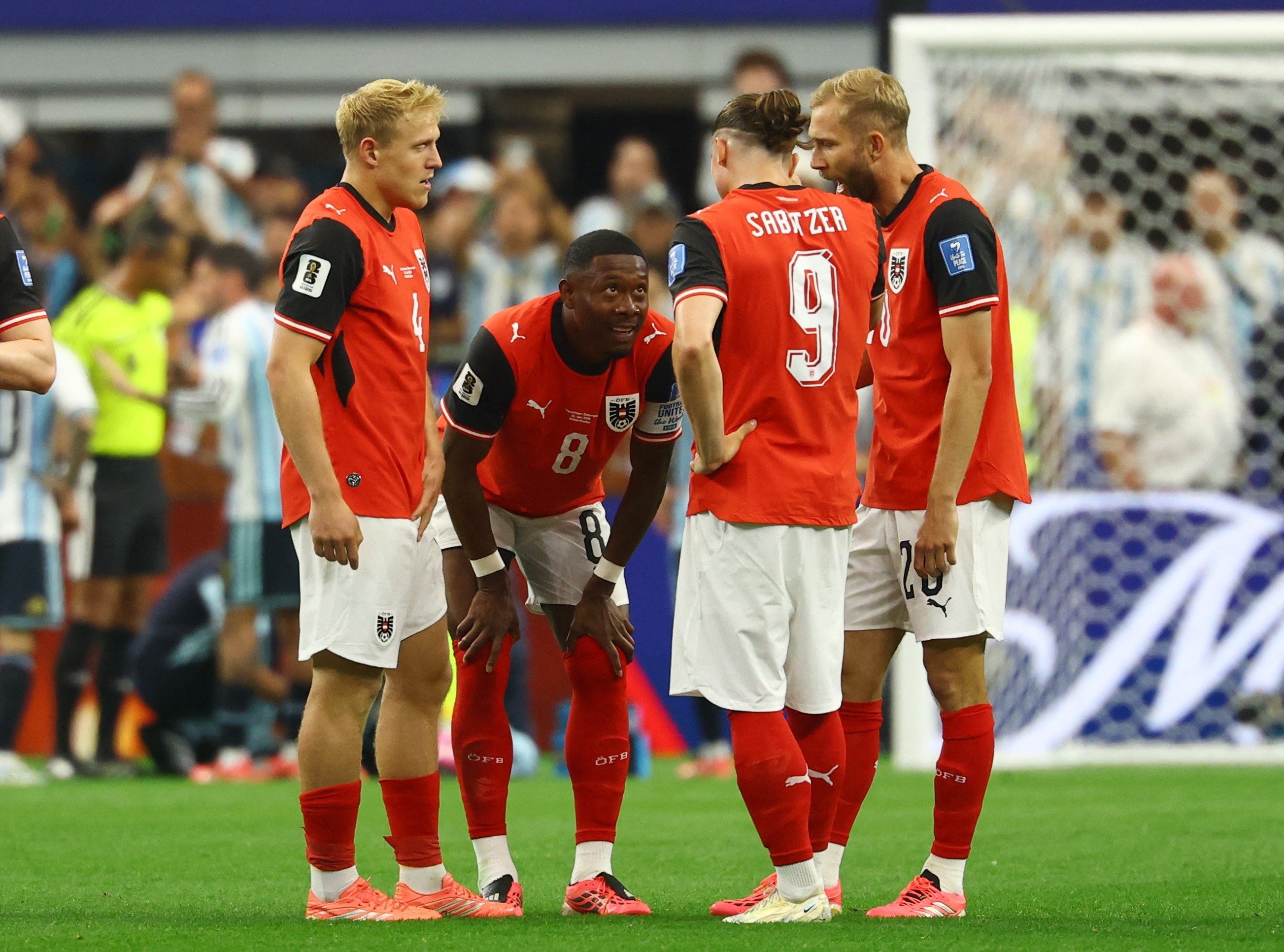
Under Ralf Rangnick, they scraped through Group J in dramatic fashion, finishing second behind Argentina after a chaotic final matchday.
Their qualification moment captured the unpredictability of their campaign. Against Algeria, Austria were seconds from elimination before Sasa Kalajdzic headed a 96th-minute equaliser in a 3-3 draw that flipped their fate. The goal ensured they progressed on goal difference and turned a near-exit into a historic escape.
That finish carried statistical significance. Austria became the first team in World Cup history to avoid defeat in a match after conceding in second-half stoppage time and still progress. It reflects a broader theme in their tournament: vulnerability in moments, but refusal to collapse under pressure.
The result also ends a 72-year absence from World Cup knockout football. Austria’s last real deep run came in 1954, when they reached the semifinals before falling to West Germany after a famous 7-5 win over Switzerland in the quarterfinals. Since then, their World Cup presence has largely been defined by group-stage exits and near misses.
Historically, this matchup leans heavily toward Spain. Austria’s last victory over La Roja came in a 1990 friendly, while their most recent meeting in 2009 ended in a 5-1 Spain win, highlighted by a double from David Villa. The gap since then reflects Spain’s broader rise as a dominant European force over the last decade-plus.
Austria’s current squad carries both experience and physical presence. Fitness concerns are limited, though veterans Marko Arnautović and David Alaba are managing minor discomfort after the Algeria thriller. Both are expected to play key roles, while Kalajdzic’s late heroics are unlikely to force a tactical reshuffle, with Rangnick expected to rely on established starters for structure.
DAILYSABAH
هلدینگ کاسپین استانبول | خرید ملک در ترکیه | صرافی معتبر ایرانی در ترکیه | خرید و فروش طلا در ترکیه | مهاجرت به ترکیه | واردات و صادرات در ترکیه | نیازمندیهای ترکیه | اخبار ترکیه | اخبار جهانی | توریست ایران | خدمات توریستی در ایران | تورهای گردشگری ایران | هلدینگ اول | خدمات کاریابی و فریلنسری و شغل | مرجع اطلاعات ایران (همه چیز در ایران) | کیف پول و خدمات مالی و پرداخت یار | اخبار ایران | تابلو زنده قیمت ارز در ترکیه و استانبول | صرافی آنلاین ترکیه | قیمت طلا و نقره در ترکیه | سرمایه گذاری در ترکیه | جواهرات در ترکیه | نرخ لحظه ای ارزها در استانبول | قیمت دلار امروز در ترکیه | قیمت دلار استانبول امروز | قیمت لحظه ای دلار | اخبار روز ترکیه استانبول | اپلیکیشن ISTEX | اپلیکیشن قیمت لحظه ای دلار و یورو و لیر و ارزها در ترکیه
About the Author