News
Middle East
Strait of Hormuz traffic steady despite fragmented routing, security risks
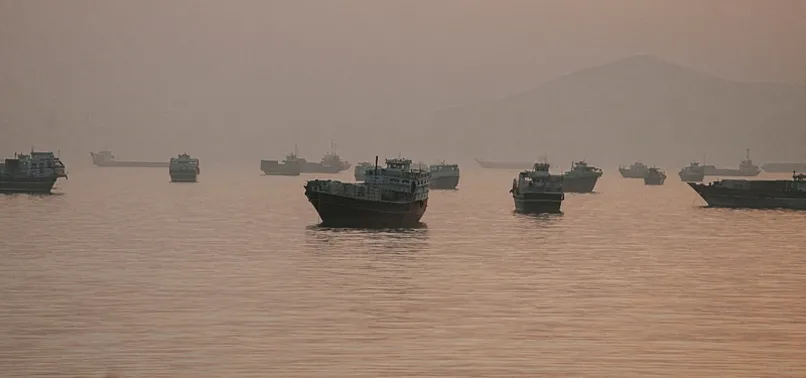
Vessels are anchored in the Strait of Hormuz as seen from Musandam, Oman, June 3, 2026. (REUTERS File Photo)
Vessel traffic through the Strait of Hormuz remained steady on June 30 despite fragmented routing patterns and persistent maritime security concerns across the wider Middle East, according to MarineTraffic data released Wednesday.
The strategic energy chokepoint recorded 34 verified vessel crossings, evenly divided between inbound and outbound traffic at 17 transits each, MarineTraffic said on the US social media platform X.
The crossings included a broad mix of commercial, energy-related and support vessels, indicating that shipping activity through the strait has continued.
However, MarineTraffic said route visibility remained fragmented, with vessels using Iranian, Omani, International Maritime Organization (IMO)-designated, as well as dark or unidentified routes.
The pattern suggests that while vessel movements have continued, shipping has yet to return to normal routing as operators continue adjusting to the security environment in and around the Gulf.
Maritime security risks also remain elevated. IMO’s incident tracker lists 49 confirmed incidents in the Strait of Hormuz and the wider Middle East as of June 30, including a newly confirmed physical attack on the Bochem Marengo.
The IMO also reported 14 confirmed seafarer fatalities linked to incidents across the region.
The Strait of Hormuz, between Iran and Oman, connects the Persian Gulf with the Gulf of Oman and the Arabian Sea, making it one of the world’s most critical maritime chokepoints for global energy trade.
According to the US Energy Information Administration, oil flows through the strait averaged 20 million barrels per day in 2024, equivalent to about 20% of global petroleum liquids consumption. The agency also said roughly one-fifth of global liquefied natural gas trade transited the waterway in 2024, primarily from Qatar.
The route is particularly vital for Asian energy markets, with much of the crude oil, condensate and LNG passing through Hormuz destined for China, India, Japan and South Korea.
Any disruption to traffic through the strait can increase shipping costs, delay energy cargoes and heighten volatility in global oil and gas markets, particularly because Gulf exporters have only limited pipeline alternatives.
ANEWS wp:paragraph
هلدینگ کاسپین استانبول | خرید ملک در ترکیه | صرافی معتبر ایرانی در ترکیه | خرید و فروش طلا در ترکیه | مهاجرت به ترکیه | واردات و صادرات در ترکیه | نیازمندیهای ترکیه | اخبار ترکیه | اخبار جهانی | توریست ایران | خدمات توریستی در ایران | تورهای گردشگری ایران | هلدینگ اول | خدمات کاریابی و فریلنسری و شغل | مرجع اطلاعات ایران (همه چیز در ایران) | کیف پول و خدمات مالی و پرداخت یار | اخبار ایران | تابلو زنده قیمت ارز در ترکیه و استانبول | صرافی آنلاین ترکیه | قیمت طلا و نقره در ترکیه | سرمایه گذاری در ترکیه | جواهرات در ترکیه | نرخ لحظه ای ارزها در استانبول | قیمت دلار امروز در ترکیه | قیمت دلار استانبول امروز | قیمت لحظه ای دلار | اخبار روز ترکیه استانبول | اپلیکیشن ISTEX | اپلیکیشن قیمت لحظه ای دلار و یورو و لیر و ارزها در ترکیه
About the Author