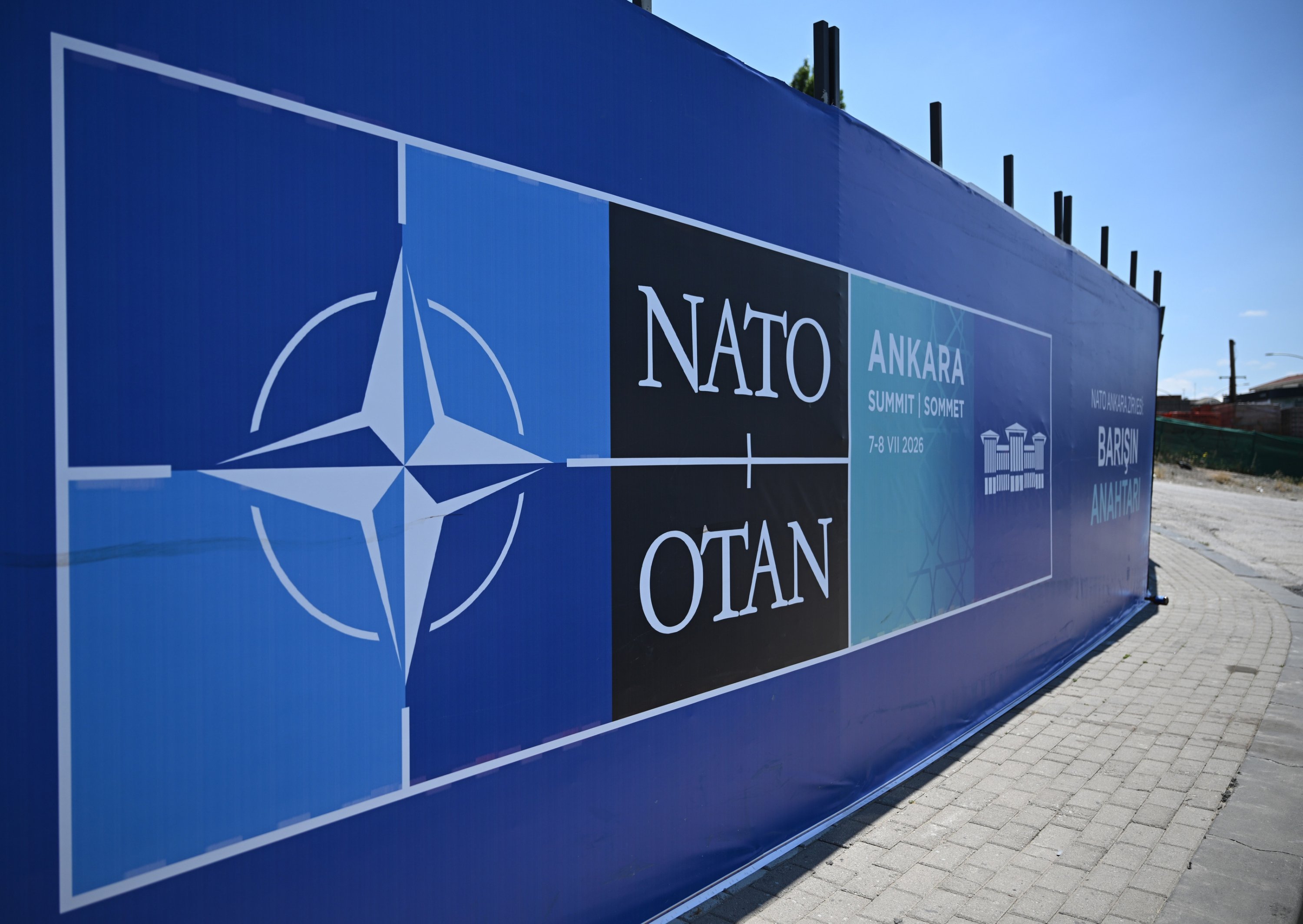
Türkiye’s Directorate of Communications’ Disinformation Combat Center (DMM) warned against fake posts about the upcoming NATO summit that imitate the names and logos of public institutions.
In a statement on its NSosyal account on Wednesday, the DMM said images, documents and content shared on some social media accounts and messaging channels that include the phrase “NATO Summit Security Coordination Center” and claim that an “application portal for priority public institution employees” had been created were entirely fake.
The statement said no such center had been established under any official authority.
“The document and application screen shown in the images and content do not belong to any system prepared by the relevant official authorities. Such fake posts, created by imitating the names and logos of public institutions, are attempts to mislead the public and obtain personal information through cyber fraud,” the DMM said.
It added that legal proceedings had been swiftly launched against those producing and spreading the fake content.
The DMM urged citizens and public employees to remain highly cautious against such manipulation and to follow developments and announcements only through official channels of authorized institutions.
In a separate statement, the DMM also denied claims that all passengers traveling to Ankara by plane, train or bus were being individually subjected to background checks because of the NATO summit.
“The claim that “all plane, train and bus passengers traveling to Ankara due to the NATO summit are being individually subjected to GBT checks” does not reflect the truth,” the statement said, referring to Türkiye’s General Information Gathering background check system.
The DMM said additional security measures had been taken across the capital as part of the NATO summit, but there was no systematic GBT procedure for citizens traveling to the city, as claimed.
It said passengers at airports, train stations or bus terminals were not being stopped and subjected to background checks unless there was a concrete security reason or suspicion.
The center urged the public not to trust manipulative posts that distort security measures to create panic, fear or the perception that freedom of travel has been restricted.