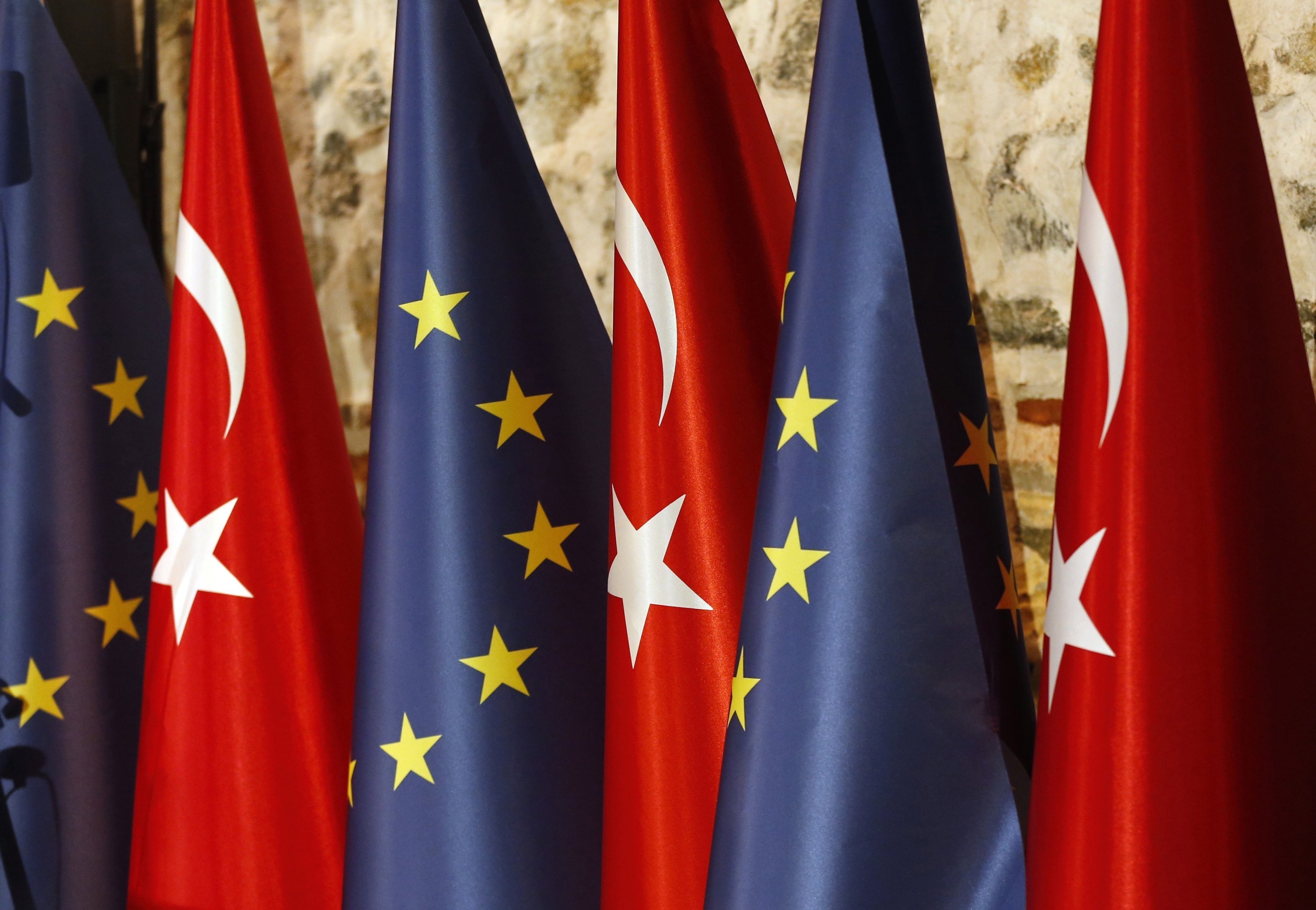
Ankara on Friday criticized the European Union over a policy document released earlier this week, saying its references to the country ignored Türkiye’s status as an EU candidate and failed to reflect its strategic role in European security.
Foreign Ministry spokesperson Öncü Keçeli said the EU’s “Common Understanding” document, published on July 15, lacked “a strategic and fair approach” toward Türkiye.
“The document ignores Türkiye’s candidate status and demonstrates the EU’s inability to develop a shared vision for the future with our country,” Keçeli noted in a statement posted on social media.
Keçeli underlined that the document was issued shortly after the NATO summit in Ankara, where allies reaffirmed Türkiye’s role in Euro-Atlantic security.
“It is evident that the document was drafted in a tone that seeks to overshadow this reality,” he said, referring to Türkiye’s indispensable role within NATO as allies assume greater responsibilities under the alliance.
The spokesperson also rejected references in the document to the Eastern Mediterranean, saying they reflected what he described as the EU’s “biased and distorted understanding” of regional issues.
On Cyprus, Keçeli said responsibility for the failure of reunification efforts rested with the Greek Cypriot side, citing its rejection of the U.N.-backed Annan Plan in 2004 and its uncompromising position during the 2017 Cyprus Conference.
He called on the EU to adopt “a realistic vision and discourse that serves the interests of both sides.”
Communications Director Burhanettin Duran also criticized the EU document, saying its assessments of Türkiye lacked objectivity and strategic foresight.
In a separate statement, Duran said the document overlooked Türkiye’s candidate status and ignored the country’s contribution to European security despite clear recognition of its role during the NATO summit in Ankara.
He also rejected the document’s references to the Eastern Mediterranean and Cyprus, arguing that they did not reflect international law or historical realities.
Duran called on the EU to adopt a more responsible approach based on mutual respect, impartiality and shared interests, saying such an approach would better serve efforts to strengthen dialogue between the two sides.