Until the NATO summit, the Russia-Ukraine war had largely settled into a prolonged war of attrition. Days before the meeting, however, Ukraine’s successful long-range strikes deep inside Russian territory altered the strategic narrative. Beyond targeting Russia’s energy infrastructure, the operation sought to dispel the growing perception that Ukraine’s military was exhausted and approaching defeat. More importantly, Kyiv aimed to reassure its Western partners that it remained capable of sustaining the fight. The implicit message was clear: Without Ukraine, the West has no credible force capable of containing Russia. To a certain extent, that message resonated, allowing Kyiv to secure at least limited political space at the summit.
What did Washington promise?
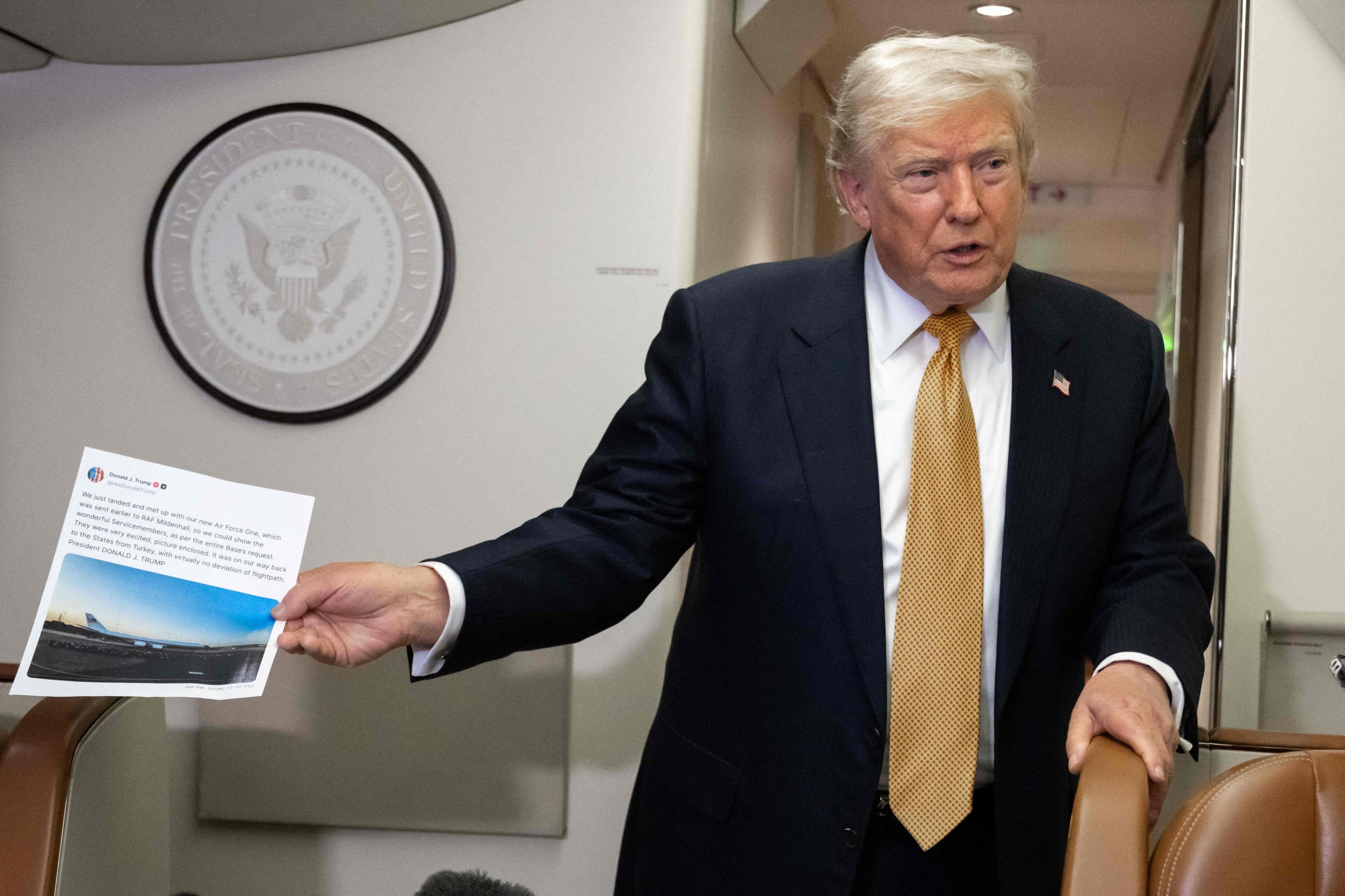
The Ankara Summit Declaration adopted a more institutionalized approach toward Ukraine, emphasizing Kyiv’s contribution to trans-Atlantic security and reaffirming the allies’ enduring support more explicitly than ever before. Yet the summit’s most noteworthy development was U.S. President Donald Trump’s proposal to allow licensed production of Patriot missile systems inside Ukraine.
Rather than offering immediate military assistance or establishing a new financial package, the proposal envisioned Ukraine developing its own production capacity using domestic funding and investment. Russian commentators quickly mocked the initiative, arguing that Washington had responded to Ukraine’s urgent air defense needs by offering little more than a production license while transferring virtually all financial and operational risks to Kyiv. Given the years required to construct production facilities, establish supply chains, and complete testing, the proposal represents a long-term industrial partnership rather than a solution to Ukraine’s immediate battlefield requirements.
Trump’s remarks on security guarantees reinforced this cautious approach. By reminding audiences that Ukraine is separated from the United States by oceans, he effectively signaled Washington’s unwillingness to extend NATO Article 5-type commitments to Kyiv. In doing so, the summit reaffirmed Ukraine’s enduring dilemma since the 1994 Budapest Memorandum: political assurances without legally binding security guarantees.
Perhaps the declaration’s greatest contradiction lies in its characterization of Russia as a “long-term threat to Euro-Atlantic security.” The Trump administration’s own 2026 National Security Strategy does not classify Russia as America’s principal strategic threat, suggesting that the wording reflected European pressure rather than a genuine shift in Washington’s priorities. As several Russian analysts observed, the White House appeared willing to tolerate the language without assuming any additional deterrence obligations.
Will commitments change the war?
The Ankara summit’s most significant impact is unlikely to be measured through immediate military deliveries but rather through the gradual restructuring of NATO’s deterrence architecture. The Patriot licensing initiative symbolizes a strategic transfer of responsibility, reflecting the Trump administration’s broader effort to redefine the conflict primarily as a European security challenge.
This approach, however, sits uneasily alongside battlefield realities. Building long-term industrial capacity offers little relief against Russia’s sustained missile campaign, while Ukraine’s Commander-in-Chief, Oleksandr Syrskyi, has openly acknowledged that any decisive turning point remains distant.
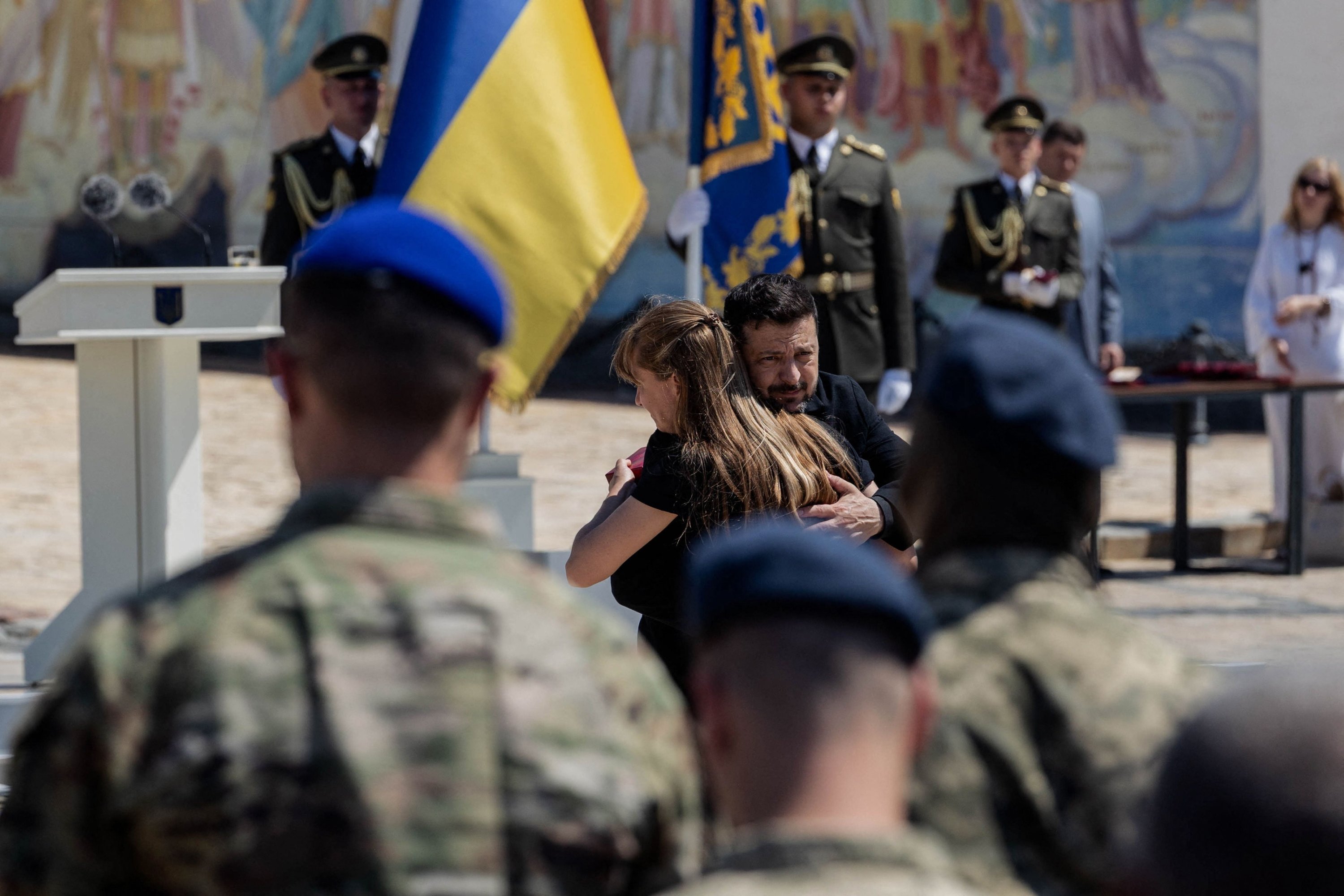
Diplomatically, Trump has simultaneously sought to preserve channels for future negotiations through continued engagement with major leaders. Although Kyiv has resisted elements of Trump’s proposed 28-point peace framework in an effort to maximize its negotiating leverage, the summit itself exposed the limits of Ukraine’s political influence. Ukrainian President Volodymyr Zelenskyy’s participation was restricted to the Defense Industries Forum rather than the main plenary session, while his address lasted only four minutes, an unmistakable indication of Kyiv’s increasingly constrained bargaining position within the alliance.
Russia’s response
Moscow interpreted the summit as evidence of continued Western confrontation rather than diplomatic moderation. On July 8, Russian Foreign Ministry spokesperson Maria Zakharova dismissed NATO Secretary-General Mark Rutte’s characterization of the summit as “historic,” arguing instead that NATO had further elevated the confrontation with Russia to an existential level. According to Zakharova, Europe’s accelerating militarization and expanded defense preparations merely confirmed the alliance’s longstanding strategic trajectory.
Russian policy circles advanced an even sharper geopolitical interpretation. Many argued that describing Ukraine as a contributor to trans-Atlantic security, despite the absence of formal NATO membership, effectively institutionalizes Ukraine’s de facto integration into the Alliance. Likewise, repeated references to Ukraine’s territorial integrity were interpreted as implicit support for restoring the country’s 1991 borders. From this perspective, the Summit represents a Western commitment to financially sustain the proxy war through at least 2026-2027.
These assessments have fueled increasingly forceful calls within Russia for abandoning remaining diplomatic flexibility and maximizing pressure across every dimension of the conflict, from military operations and logistics to attacks on Ukraine’s decision-making infrastructure.
Did Russia miscalculate Trump?
Whether Moscow erred in its approach to Trump remains an open strategic question.
From the Kremlin’s perspective, Trump’s peace proposals ultimately preserve Ukraine’s territorial claims while undermining Russia’s battlefield gains. Accepting such an arrangement prematurely would risk squandering the enormous military, economic, and political costs Russia has already incurred.
Moreover, Trump’s negotiating style, oscillating between rhetorical praise for Russian President Vladimir Putin and severe sanctions against major Russian energy companies such as Rosneft and Lukoil, has reinforced perceptions within Moscow that American commitments remain inherently unpredictable. Rather than making early concessions, Russia appears increasingly confident that its expanding strategic partnership with China provides sufficient economic and geopolitical resilience to sustain a prolonged conflict while consolidating territorial gains and improving its long-term bargaining position.
Geopolitical balance sheet
Ultimately, the Ankara summit exposed the widening gap between NATO’s rhetoric of unity and Washington’s evolving global priorities. The meeting neither provided Ukraine with a credible pathway toward military victory nor offered Russia meaningful concessions. Instead, it highlighted an emerging strategic transition in which the U.S. seeks to reduce its direct military exposure, shift greater responsibility to its European allies, and intensify economic pressure on Russia through sanctions.
This broader transformation reflects the strategic logic underpinning Washington’s new National Security Strategy. Within this framework, China is viewed less as an existential military adversary than as the principal long-term competitor in technology, trade, industrial capacity and global supply chains. Seeking to avoid strategic overstretch, the U.S. aims to stabilize both the Russia-Ukraine war and the crises in the Middle East to redirect political, military and economic resources toward the Indo-Pacific.
Because preventing a formal Russia-China strategic bloc remains central to this objective, Washington ultimately has a greater interest in ensuring that Moscow does not become fully dependent on Beijing than in sustaining an indefinite war in Ukraine. Consequently, Ukraine’s strategy of prolonging the conflict increasingly sits uneasily with America’s broader China-centered grand strategy, exposing the growing divergence between Kyiv’s immediate military objectives and Washington’s long-term geopolitical priorities.
DAILYSABAH
هلدینگ کاسپین استانبول | خرید ملک در ترکیه | صرافی معتبر ایرانی در ترکیه | خرید و فروش طلا در ترکیه | مهاجرت به ترکیه | واردات و صادرات در ترکیه | نیازمندیهای ترکیه | اخبار ترکیه | اخبار جهانی | توریست ایران | خدمات توریستی در ایران | تورهای گردشگری ایران | هلدینگ اول | خدمات کاریابی و فریلنسری و شغل | مرجع اطلاعات ایران (همه چیز در ایران) | کیف پول و خدمات مالی و پرداخت یار | اخبار ایران | تابلو زنده قیمت ارز در ترکیه و استانبول | صرافی آنلاین ترکیه | قیمت طلا و نقره در ترکیه | سرمایه گذاری در ترکیه | جواهرات در ترکیه | نرخ لحظه ای ارزها در استانبول | قیمت دلار امروز در ترکیه | قیمت دلار استانبول امروز | قیمت لحظه ای دلار | اخبار روز ترکیه استانبول | اپلیکیشن ISTEX | اپلیکیشن قیمت لحظه ای دلار و یورو و لیر و ارزها در ترکیه
About the Author