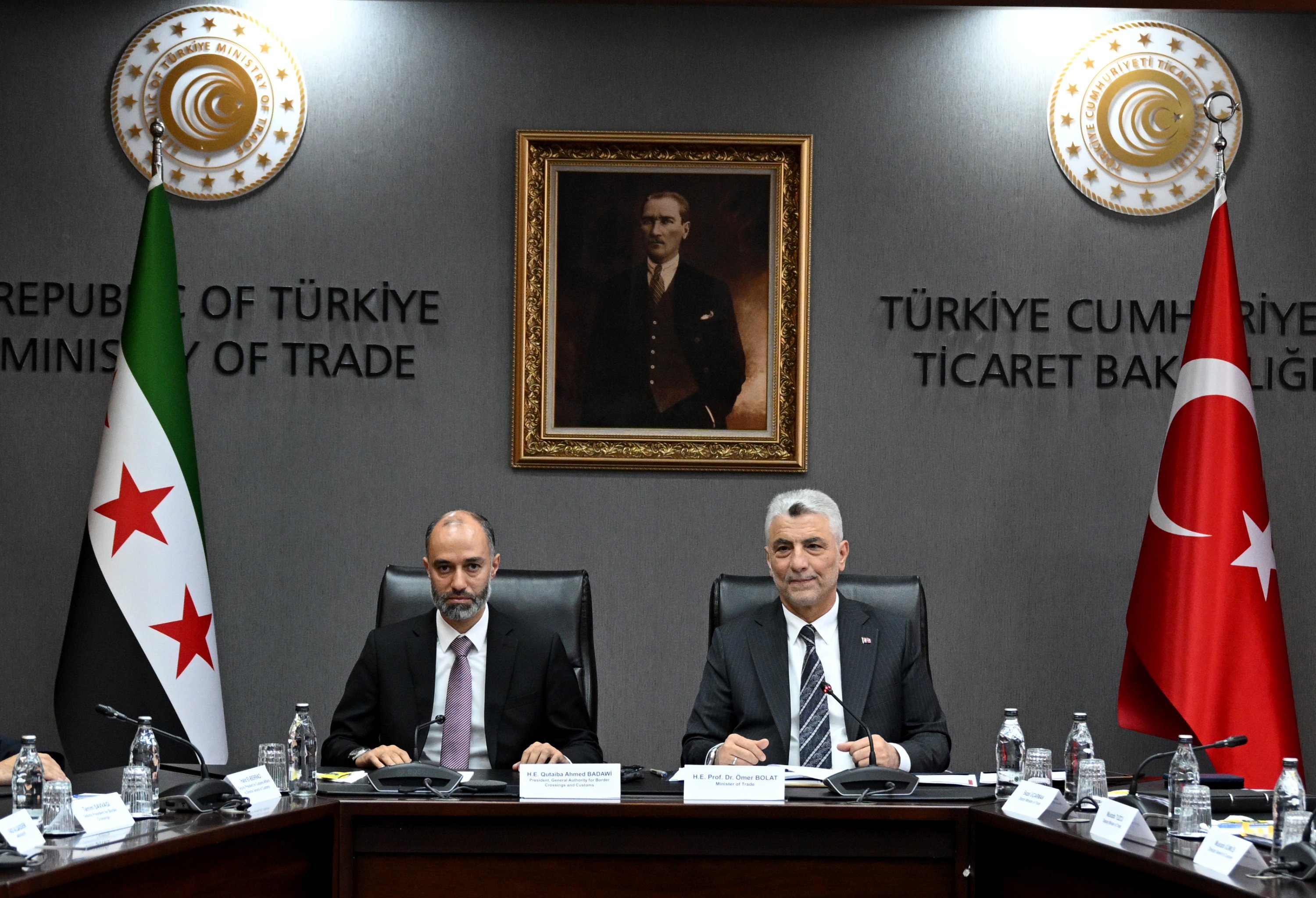
Türkiye and Syria are working to open the Nusaybin-Qamishli border crossing “as soon as possible,” as the two neighbors seek to expand trade and strengthen regional transport corridors, Trade Minister Ömer Bolat said Wednesday.
Bolat made the remarks after meeting Qutayba Badawi, head of the Syrian Customs and Border Crossings Authority, in Ankara.
Bolat said the reopening of regional transit corridors linking Europe through Türkiye and Syria to Jordan, Saudi Arabia and the Gulf, as well as routes extending from Türkiye through Syria to Iraq and Kuwait, represented important progress.
Transit trade through the Cilvegözü border gate in southeastern Hatay province and the Akçakale crossing in Şanlıurfa province currently allows goods to move toward Iraq, Kuwait, Lebanon, Saudi Arabia and Jordan, with nearly 300 trucks crossing daily, he said.
“We are working together to open the Nusaybin-Qamishli border crossing as soon as possible,” Bolat said. He was referring to a point that links Turkish province Mardin’s Nusaybin district with Syria’s Qamishli region.
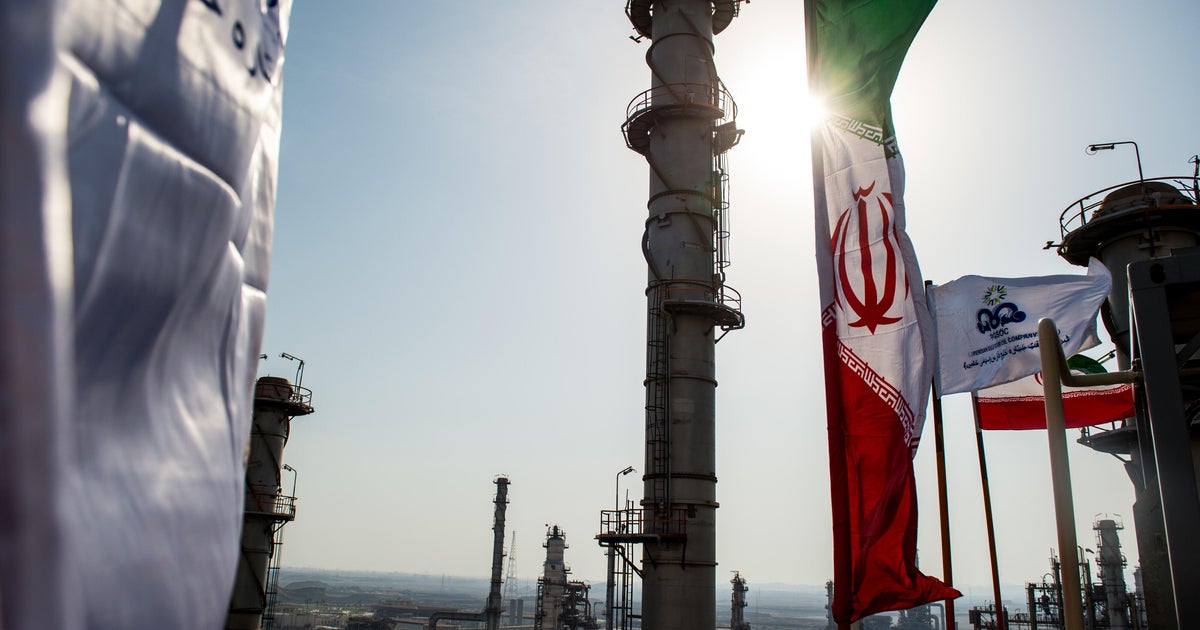
Bolat added that recent geopolitical tensions, including disruptions linked to the Strait of Hormuz, had highlighted the strategic importance of new oil and natural gas pipelines as well as road and rail transport corridors connecting Türkiye, Syria, Iraq and the Gulf states.
Syria’s Badawi said six border crossings between the two countries were currently operating at full capacity, five of them open to both commercial traffic and passenger crossings, while the Kesab crossing, also known as the Yayladağı Border Gate, serves only passenger traffic.
“The Nusaybin-Qamishli crossing will become operational in the near future,” he said, adding that this would increase the number of 24-hour border crossings between the two countries to seven.
Bilateral trade goal
Bolat said the two governments were working in close coordination, aiming to raise bilateral trade to the previously announced target of $10 billion annually.
Trade between the two countries reached $3.7 billion in the first year after opposition forces ousted longtime dictator Bashar Assad in late 2024, marking growth of more than 40%.
Bolat said both sides were working to further increase that figure this year.
He said Turkish companies were cooperating closely with Syrian authorities on energy, transport, infrastructure, construction and contracting projects, while a joint customs committee established under an agreement signed last year was coordinating customs-related cooperation.