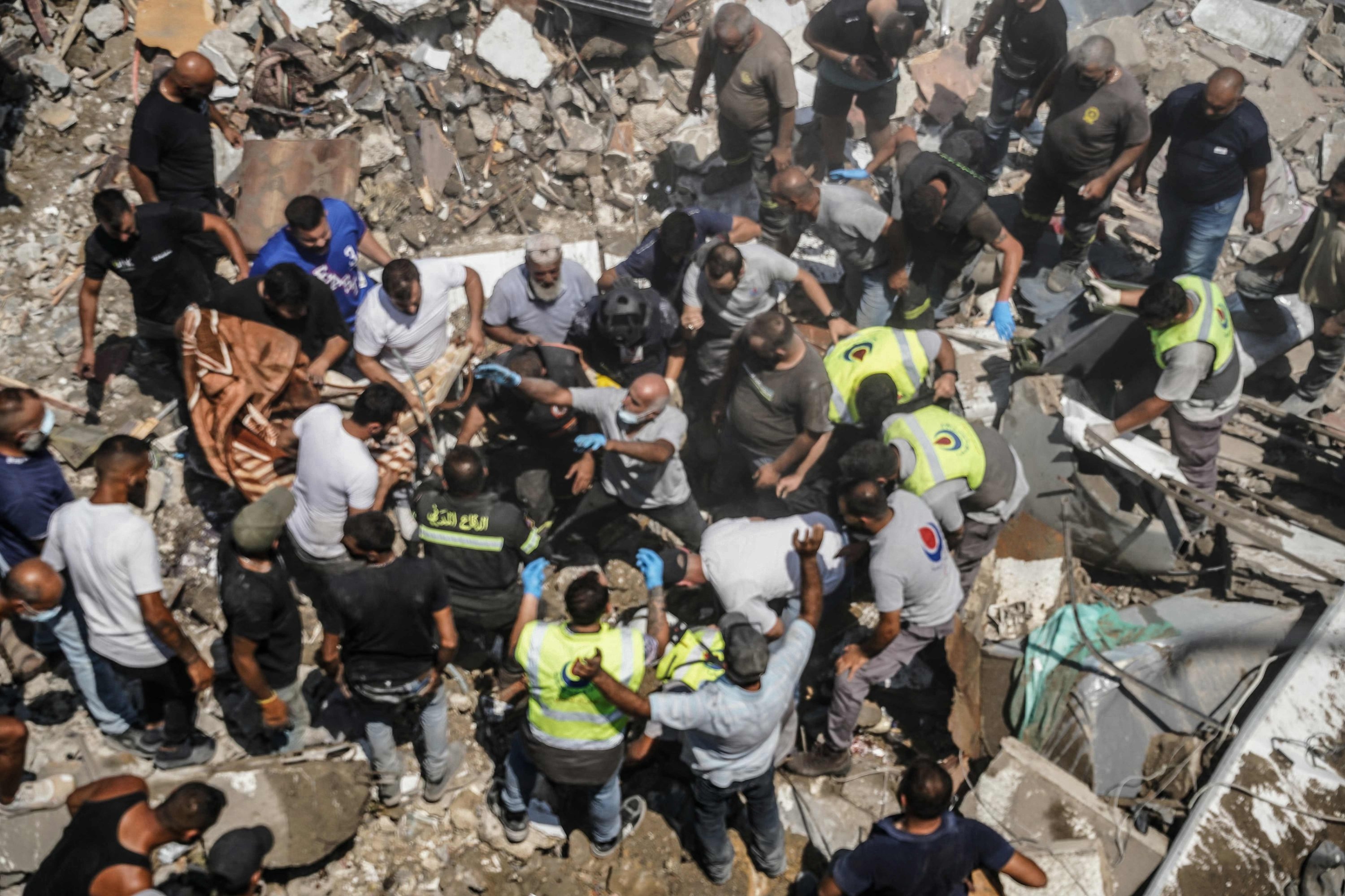
Lebanon said Israeli strikes on southern Lebanon killed 11 people, including three children, on Saturday in the deadliest attacks since agreements reached in June helped ease hostilities between Israel and Hezbollah.
The Israeli military said the early morning strikes were carried out in response to an attack by the Iran-backed group on its troops in southern Lebanon.
The escalation came as Israel and Lebanon prepared for an eighth round of U.S.-sponsored direct negotiations, expected to take place early next month in Rome.
The two sides agreed to a framework deal during talks in Washington in June. Lebanese President Joseph Aoun said Saturday’s attacks were “a clear message” about the negotiations and U.S. efforts to implement the agreement.
Hezbollah said the Israeli strikes “will be met with an appropriate response” and called on Lebanese authorities to abandon what it described as the “humiliating path of direct negotiations.”
Lebanon’s state-run National News Agency, or NNA, reported that Israel “escalated its attacks on the south” early Saturday, including an airstrike on a home in the village of Ansar and a series of strikes targeting the Ali al-Taher ridge, a strategic hill overlooking the Nabatieh area.
It later reported another strike on the southern town of Deir Zahrani.
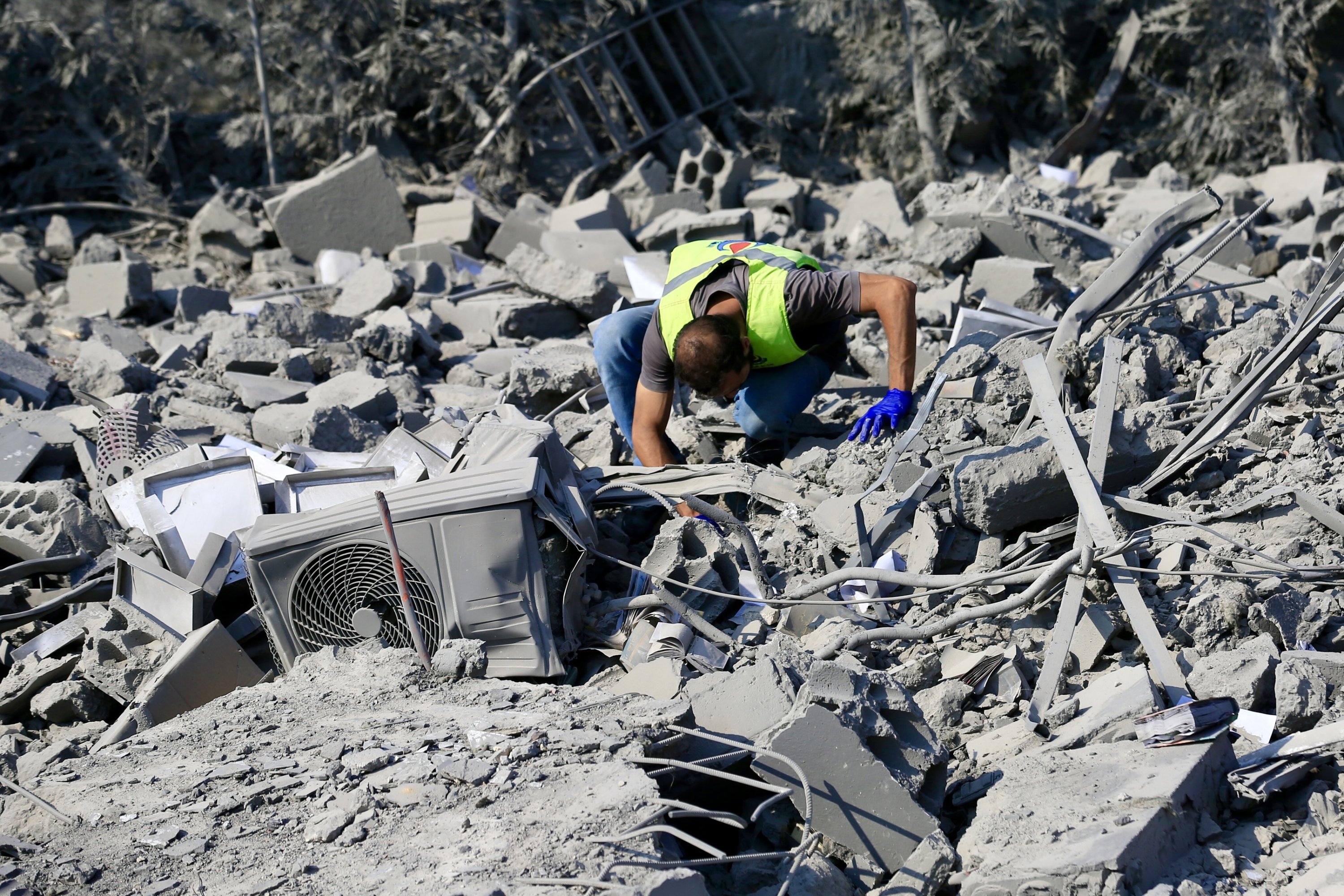
Lebanon’s Health Ministry said seven people were killed “including three children and two women” in Ansar, where Aoun said “an entire family” had been killed.
The ministry said four other people were killed and 17 wounded, including a child and 11 women, in Deir Zahrani, raising an earlier toll of two dead.
‘Extremely dangerous’
In Ansar, an Agence France-Presse (AFP) correspondent saw a destroyed building as rescuers combed the rubble. A swimming pool was clouded and gray with dust and debris.
Abbas Khalil, 60, said he was praying when the strike hit.
“We were shocked … There’s no justification for this,” he told AFP.
The Israeli army said it struck “Hezbollah terror infrastructure in the areas of Nabatieh and Ansar” in response to “action” by Hezbollah against Israeli soldiers in the Ali al-Taher ridge area.
It later added that Hezbollah had “attacked our forces inside the agreed security zone,” a strip of territory around 10 kilometers (6 miles) deep inside Lebanon where Israeli forces are operating, calling it “a serious violation of the agreement.”
In Deir Zahrani, an AFP correspondent saw extensive damage and heavy traffic toward the city of Sidon as some people headed north in cars packed with belongings.
The NNA said one strike near Ansar was “the first at this geographical depth since the ceasefire two months ago.”
Ansar and Deir Zahrani are both about 20 kilometers from the border.
Lebanese Prime Minister Nawaf Salam said those killed in Ansar “are not ‘military infrastructure’ and the women and children who were killed are not military targets,” urging Israel to halt the “extremely dangerous” escalation.
Parliament Speaker Nabih Berri, a Hezbollah ally, said the attacks were a call “to the sponsors of the negotiations and the ceasefire agreements to bear their responsibility … before it’s too late.”
Negotiations
Hezbollah said the escalation, “targeting civilians and expanding the areas targeted,” reflected a desire by Israeli Prime Minister Benjamin Netanyahu “to escalate the war in order to strengthen his domestic political position.”
Hezbollah drew Lebanon into the Middle East war in March with rocket fire at Israel in support of its backer, Iran.
Israel responded with heavy airstrikes and a ground invasion that Lebanese authorities say have killed more than 4,300 people.
Violence has dropped since the U.S.-Iran memorandum of understanding on the broader Middle East war in June and the Israel-Lebanon framework deal later that month.
But Lebanon still reports intermittent Israeli strikes and widespread demolitions of civilian buildings in southern villages and towns.
In Ansar, standing next to the murky swimming pool, Mohammed Saab said he waited every year to rent his property out during the summer.
“What do I have here for this to happen?” he said in shock.
The Israel-Lebanon framework deal includes the disarmament of Hezbollah, a gradual withdrawal of Israeli forces from southern Lebanon and the deployment of the Lebanese army to the region, starting in “pilot zones.”
On Friday, Hezbollah chief Naim Qassem accused Lebanese authorities of subjecting the country’s armed forces to undue pressure by implementing the deal.
Also this week, Israeli Defense Minister Israel Katz visited southern Lebanon, vowing to keep troops in the “security zone.”
But a U.S. State Department official said “a permanent military presence in southern Lebanon is not consistent with the commitments made in the framework.”
DAILYSABAH
هلدینگ کاسپین استانبول | خرید ملک در ترکیه | صرافی معتبر ایرانی در ترکیه | خرید و فروش طلا در ترکیه | مهاجرت به ترکیه | واردات و صادرات در ترکیه | نیازمندیهای ترکیه | اخبار ترکیه | اخبار جهانی | توریست ایران | خدمات توریستی در ایران | تورهای گردشگری ایران | هلدینگ اول | خدمات کاریابی و فریلنسری و شغل | مرجع اطلاعات ایران (همه چیز در ایران) | کیف پول و خدمات مالی و پرداخت یار | اخبار ایران | تابلو زنده قیمت ارز در ترکیه و استانبول | صرافی آنلاین ترکیه | قیمت طلا و نقره در ترکیه | سرمایه گذاری در ترکیه | جواهرات در ترکیه | نرخ لحظه ای ارزها در استانبول | قیمت دلار امروز در ترکیه | قیمت دلار استانبول امروز | قیمت لحظه ای دلار | اخبار روز ترکیه استانبول | اپلیکیشن ISTEX | اپلیکیشن قیمت لحظه ای دلار و یورو و لیر و ارزها در ترکیه
About the Author