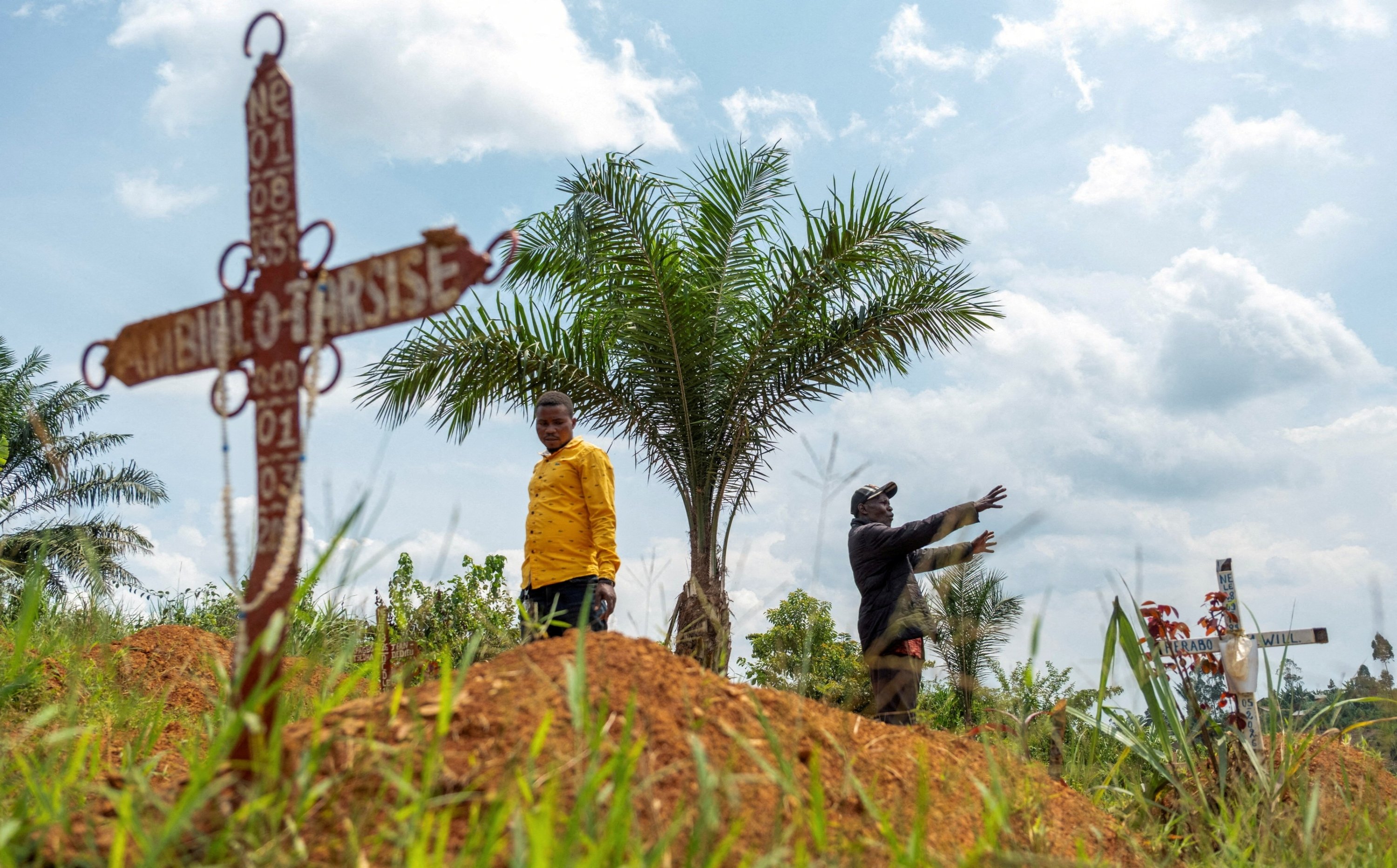
With the outbreak of Ebola caused by the Bundibugyo virus in the Democratic Republic of the Congo earlier this year, the regions of Central and East Africa have been under scrutiny and have captured global attention. While concerted efforts by neighboring countries to prevent the spread of Ebola within the region and across the continent have been commendable, more deliberate and collaborative global efforts should take center stage before the situation becomes too difficult to contain.
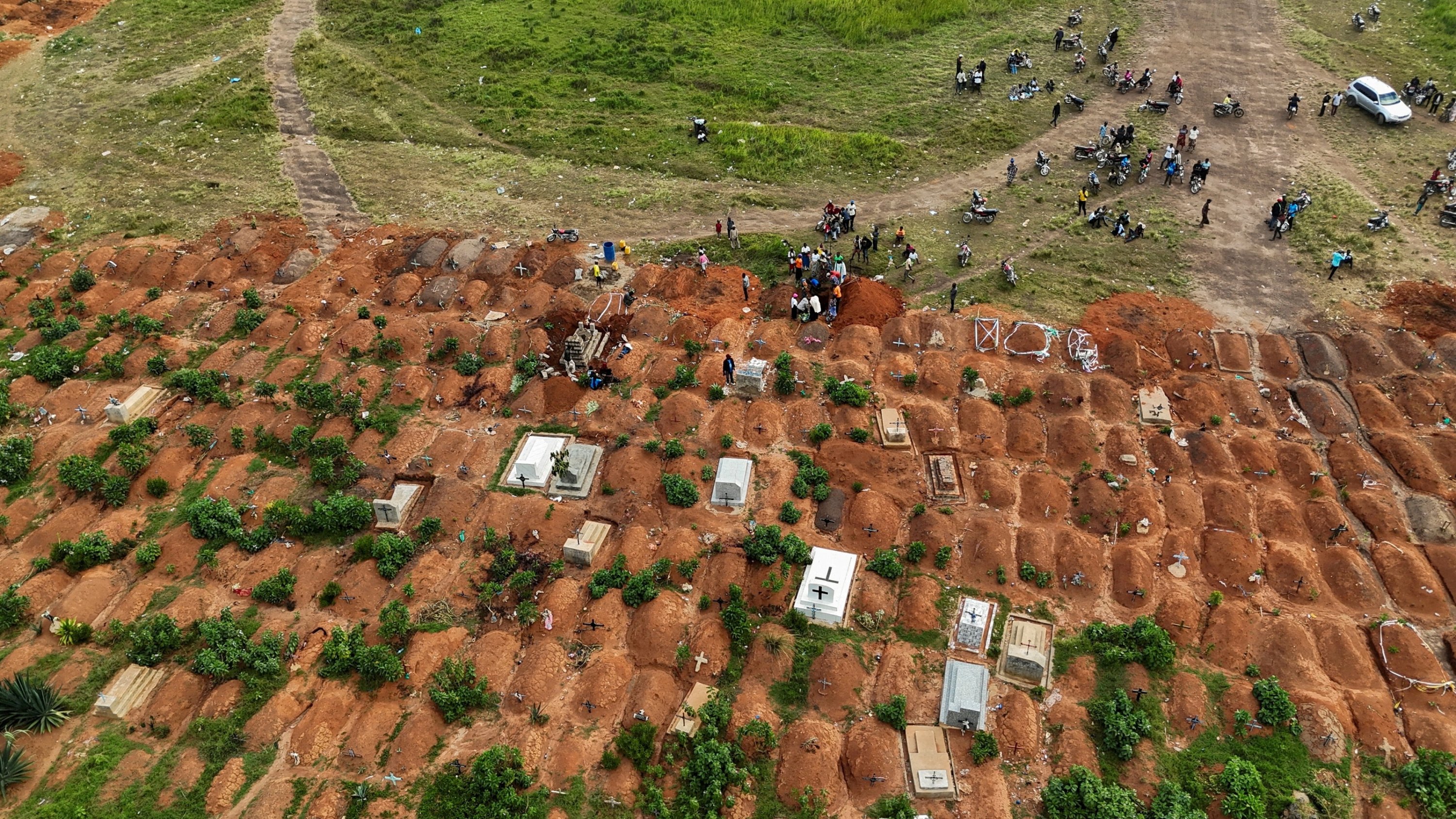
Based on its inception in 1976, when it severely affected the region, and its re-emergence in 2014, which resulted in more than 10,000 deaths through 2016, the World Health Organization (WHO) reports that the current 2026 statistics – 1,587 deaths and 3,605 confirmed cases – are becoming increasingly dire.
More attention ought to be given to the matter to avoid a repeat of how the WHO handled the 2014 outbreak, which claimed many lives in Liberia and Sierra Leone. Much of the criticism at the time was directed at the agency’s political handling of the response, and such shortcomings should not be repeated. This is not the time for political manoeuvring. The fight against Ebola must remain focused on saving lives and containing the outbreak.
Not limited to Central Africa
As we speak, Ebola in Eastern DR Congo is reported to be spreading faster while claiming 50 lives daily. Not limited to DR Congo, with a record high total of 4945 confirmed cases as of Aug. 15, Uganda recorded 2 deaths with 20 confirmed cases.
However, contextualizing Ebola exclusively as a Central African issue is a doomed undertaking. Given that globalization seeks to encourage trade and business among states, its effects are bound to spill over to all parties involved. France and Germany recorded isolated imported travel-related cases, according to the European Centre for Disease Prevention and Control (ECDC), in collaboration with the United States Centers for Disease Control and Prevention (CDC).
In Africa, a grimmer picture may emerge. Given the cross-border movement between African states, the outbreak poses a risk to the wider region, especially to the east and potentially even to West Africa, as illustrated by the 2014 outbreak. Therefore, the possibility of a spillover remains, threatening millions of people across Africa and making humanitarian intervention a necessary emergency response rather than a “wait-and-see” option. Despite the very limited number of cases reported outside the main affected areas, an all-hands-on-deck approach would be ideal to prevent Ebola from developing into a pandemic.
Moreover, the socio-economic consequences of Ebola have, in the past, been profound across the region. For instance, according to a 2015 report by the United Nations Development Group (UNDG) for Western and Central Africa, the poverty rate increased by 0.5% in Ivory Coast, while Senegal recorded a 1.8% increase in its poverty rate in 2014. Additionally, per capita income declined between 2015 and 2017 in West Africa in the aftermath of the Ebola outbreak.
Cost of aid withdrawal
The reforms to the global health architecture (GHA), agreed upon through negotiations on Pathogen Access and Benefit-Sharing (PABS) systems following the 79th World Health Assembly, seek to bring together health governance and cooperation in addressing today’s global health challenges. They also touch on financing mechanisms, while highlighting the ongoing discourse around interdependence and sovereignty in a coordinated effort to address Ebola.
The goal remains to address and treat Ebola as a threat, requiring an intentional and swift approach from international actors, with better coordination from the WHO, which has always been at the forefront of guiding how the disease is approached. However, the U.S. withdrawal from the WHO and major shifts in U.S. Agency for International Development (USAID) funding have created severe health financing and operational gaps across Africa. Despite efforts to reconfigure health financing on the continent, these changes have exposed significant gaps in health systems across African states. For instance, Ituri, a province in the Democratic Republic of Congo affected by Ebola, was forced to scale back preparedness activities, including surveillance and contact-tracing systems, due to limited capacity to detect and contain outbreaks.
Therefore, recent U.S. actions in Africa risk undermining collective efforts to combat Ebola. However, it is not solely an African threat, nor can it be addressed by any country in isolation. This was illustrated by concerns surrounding seven U.S. aid workers who were suspected of having contracted Ebola in the DR Congo and were subsequently flown to a U.S. air base facility in Laikipia, Kenya, for quarantine. The facility, which was established exclusively for U.S. citizens, had a capacity of 50 people. This development was followed by a reported request from U.S. President Donald Trump for Kenya to establish an Ebola quarantine facility at Laikipia Air Base for U.S. citizens.
The Kenya-U.S. Ebola arrangement subsequently faced backlash on social media and from local organizations, including the Katiba Institute, which filed a lawsuit describing the deal as “constitutional recklessness.”
As a result of these developments, the role of regional and local actors also comes into focus. The African Union (AU), despite its role in mobilizing emergency funding, deploying experts, and coordinating with organizations such as the WHO at both the continental and global levels, should advocate for a swifter response whenever Ebola or any other epidemic emerges in Africa.
Putting lives first
In my opinion, this approach fosters local ownership while striking a balance between interdependence, sovereignty and global cooperation. Access to aid should not be prioritized in ways that risk lives, particularly when urgent action is needed. At the same time, global health intervention should not be applied selectively, used as a ploy, or used as a means to advance particular agendas or policies in an affected country, region or across the African continent.
In a world of welfare and development, it is cruel that Ebola still remains a killer. Treating it as a sideshow or remaining passive as the crisis unfolds not only risks African lives but also undermines the image and credibility of those who fail to act.
The push for universal health coverage (UHC) by organizations such as the WHO places an onus on every global actor to respond to epidemics such as Ebola. As efforts to strengthen local ownership advance, global coordination should remain an expression of shared humanity, free from hidden agendas. Some may brand this as idealistic, but the reality is that, when it comes to health, the global health architecture should not be guided solely by socio-economic considerations. Ultimately, international cooperation must be driven by one priority above all others: saving lives.
DAILYSABAH
هلدینگ کاسپین استانبول | خرید ملک در ترکیه | صرافی معتبر ایرانی در ترکیه | خرید و فروش طلا در ترکیه | مهاجرت به ترکیه | واردات و صادرات در ترکیه | نیازمندیهای ترکیه | اخبار ترکیه | اخبار جهانی | توریست ایران | خدمات توریستی در ایران | تورهای گردشگری ایران | هلدینگ اول | خدمات کاریابی و فریلنسری و شغل | مرجع اطلاعات ایران (همه چیز در ایران) | کیف پول و خدمات مالی و پرداخت یار | اخبار ایران | تابلو زنده قیمت ارز در ترکیه و استانبول | صرافی آنلاین ترکیه | قیمت طلا و نقره در ترکیه | سرمایه گذاری در ترکیه | جواهرات در ترکیه | نرخ لحظه ای ارزها در استانبول | قیمت دلار امروز در ترکیه | قیمت دلار استانبول امروز | قیمت لحظه ای دلار | اخبار روز ترکیه استانبول | اپلیکیشن ISTEX | اپلیکیشن قیمت لحظه ای دلار و یورو و لیر و ارزها در ترکیه
About the Author