I’m an empathetic girl, except when it comes to anyone who despises the taste of coffee.
Having perfected my at-home cup, I can’t fathom anyone disliking the warming flavors that incentivize me to leave my bed every morning. In fact, I’m convinced I could convert tea loyalists and energy drink lovers into coffee connoisseurs if they set aside their Folgers and tried quality beans.
My journey to finding my favorite coffee started with the Starbucks Veranda blend I drank growing up. Then, one day, while browsing my local Whole Foods, I discovered Counter Culture Coffee, an independent specialty coffee brand. I was immediately hooked on its smooth, fresh blends that tasted like the iced coffees I would usually order from my favorite pricey cafes.
Quality aside, I appreciated that Counter Culture was a convenient, reliable option. Often on sale for $12-$16, I found it an accessible way to join the ranks of coffee snobs. While many coffee experts recommend purchasing from a local roaster, I often opt for the convenience of grabbing beans at the grocery store or online. They also offer two subscription options, delivering two bags to your doorstep for under $40 a month.
There’s a reason that specialty coffees often taste better than commercial blends. According to Dr Eric Brenner of Texas A&M’s agricultural department, specialty brands often roast beans light or medium to preserve their flavor profile, which is influenced by origin, elevation and soil.
“Think of a steak. If you buy a really good cut of steak, but you cook it well done, you’re basically cooking the flavor out of that steak. The same thing with coffee. Anything that was very nuanced from that coffee, where it’s from, if you roast too long, then all those characteristics disappear,” he said.
Light roasts have a higher caffeine content than most dark roasts. The roast type also affects your coffee’s flavor. Light roasts have higher acidity, while staying true to a bean’s flavor profile. Meanwhile, dark roasts often have a bolder, intense taste. And how you take your coffee may affect the roast you select: “Typically, most cafes would suggest that a slightly darker roast would be better suited to milk drinks because the acidity is lower in dark coffee, so the chance of splitting the milk is reduced,” Christopher Hendon, a professor of chemistry at the University of Oregon and the co-author of Water for Coffee, said.
I was sent samples of six of Counter Culture’s year-round blends, four single-origin bags and one limited-edition option. Over the past few months, I’ve used them to make iced coffee and hot drinks in my tried-and-true moka pot. I tried each without milk, ranking the flavor on a very scientific scale of one to five (I’m partial to light and medium roasts).
Below is my buying guide to Counter Culture’s coffee, including a bag ideal for the evenings and one that may have changed my mind about dark roast.
Single-origin and limited-edition
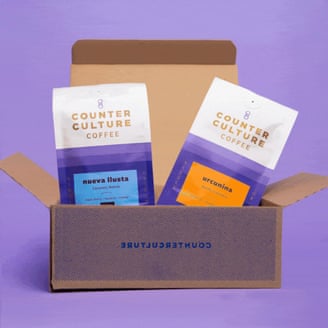
Single-origin coffees are sourced from one location (country, region or farm). A few of the bags I tried (La Goldrina, Mountain Harvest and Mpemba) are currently unavailable, as these rotate based on the season. “We’re basically taking some of the best coffees from that particular supply chain from that season, buying whatever volume we can get our hands on without overbuying, and then having that on the menu and having that be kind of a set period where you can get those coffees. And then when we sell out, it’s gone,” said Kyle Tush, one of Counter Culture’s coffee buyers.
A limited edition blend:
Cold Hearted
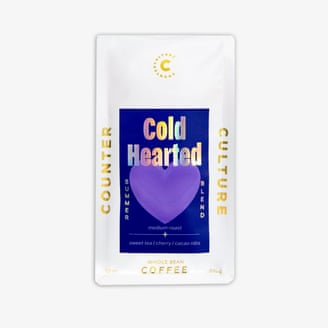
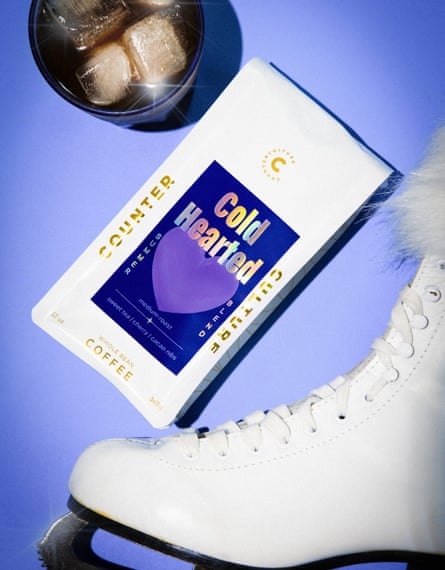
Cold Hearted is a limited edition blend with an impressively smooth taste. The notes of cacao nibs gave this a rich flavor, without tasting too bitter. The sweeter flavor paired perfectly with my unsweetened soy milk for a comforting morning cup.
Coffee expert’s note: “Ethiopian coffees tend to have very floral and fruity notes. And so, for maybe people that don’t like strong, bitter coffee, these are coffees might be more palatable for them,” said Brenner.
Coffee highlights:
-
Origin: 70% Ethiopia, 30% Colombia
-
Tasting notes: sweet tea, cherry, cacao nibs
-
Roast:medium
My flavor score: 5/5
A single-origin:
Finca La Hermosa
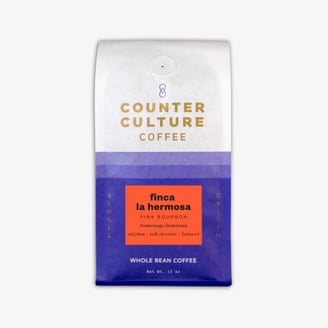
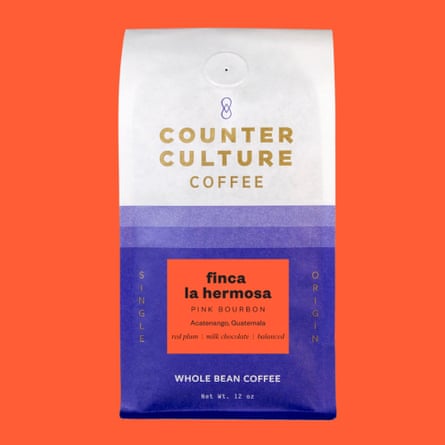
Finca La Hermosa is a light roast available until early September 2026. A single-origin blend, it is sourced and named after a coffee farm based in Guatemala.
Barista’s note:“Light roasts are great when you want the coffee itself to be the star. They often have brighter acidity and more delicate fruit, floral, citrus, or tea-like qualities, so I especially like them as pour-overs, drip coffee or served black,” said Stefania Marzelia, a barista with over a decade of experience.
Coffee highlights:
-
Origin: Guatemala
-
Tasting notes: red plum, milk chocolate, balanced
-
Roast: light
My flavor score: 3.5/5
Year-round blends
A sweet, medium roast:
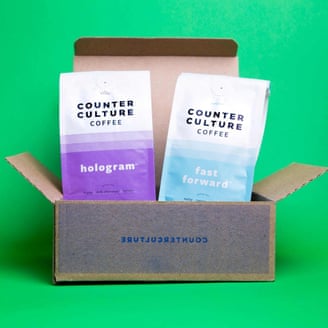
Hologram
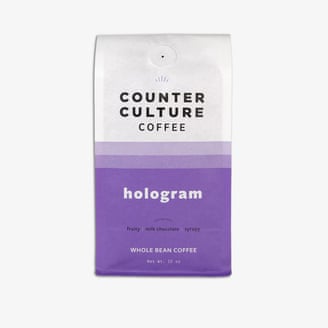
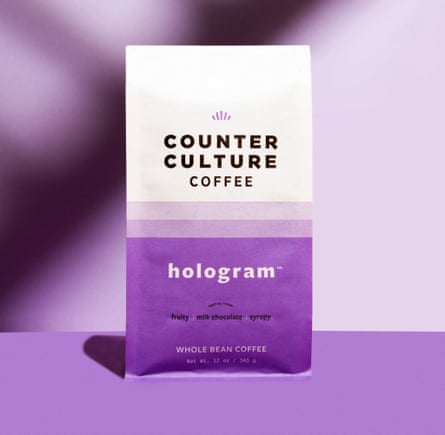
Hologram is a sweeter medium roast, with notes of fruit and milk chocolate. If you like your coffee with a healthy dose of milk, this medium to dark roast may be your ideal bag of beans.
Barista’s note: if you’re brewing a latte or cappuccino, “start with a standard 1:2 espresso ratio, such as 18 grams of coffee in and 36ml of espresso out in roughly 25 seconds. I would initially pair it with less milk, making a 5- to 8-oz drink, so the berry-like flavors are not completely covered,” said Noah Stern, a home barista and content creator.
Coffee highlights:
-
Origin: 80% Guatemala, 20% Ethiopia
-
Tasting notes: fruity, milk chocolate, syrupy
-
Roast: medium
My flavor score: 4/5
A smooth, sweeter blend:
Gradient
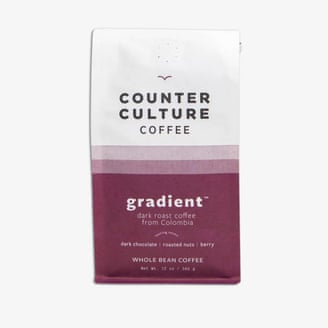
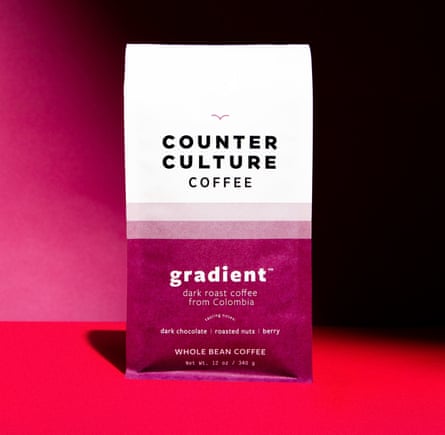
This medium-dark roast, sourced from Colombia, was consistently my favorite blend, no matter how I prepped it. If you rarely take your coffee black, this may be your ideal bag of beans. One of my favorite ways to drink Gradient was with frothed milk and a dash of cinnamon. With sweeter notes of berry and chocolate, this paired perfectly with my unsweetened soy milk.
Barista’s note: if you’re drinking this hot or black, start with slightly cooler water, around 195F (90C), to bring out the chocolate and roasted nut flavors without emphasizing bitterness,” advised Stern.
Coffee highlights:
-
Origin: Colombia
-
Tasting notes: dark chocolate, roasted nuts, berry
-
Roast: medium/dark roast
My flavor score: 5/5
A chocolatey dark roast:
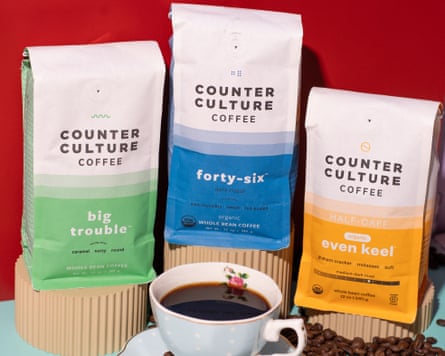
Forty-Six
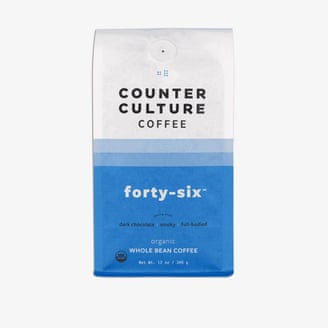
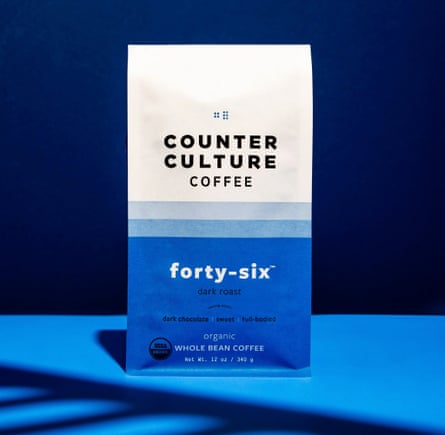
If you’re a fan of a dark roast, then Forty-Six is for you. This is Counter Culture’s darkest roast, with a strong, chocolaty flavor.
Barista’s note: “For iced coffee with milk, cream, or syrups, I generally recommend medium to darker roasts because their deeper chocolatey, nutty, caramelized flavors tend to hold their own once you add ice and other ingredients,” Marzelia said.
Coffee highlights:
-
Origin: 60% Uganda, 40% Ethiopia
-
Tasting notes: dark chocolate, sweet, full-bodied
-
Roast: dark
-
Sustainability: organic
My flavor score: 3/5
A blend if you’re caffeine sensitive:
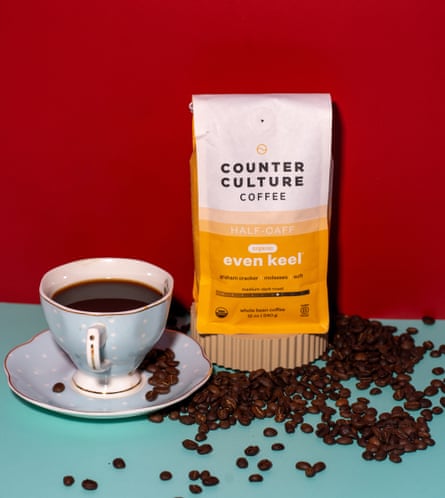
Even Keel (half-caff)
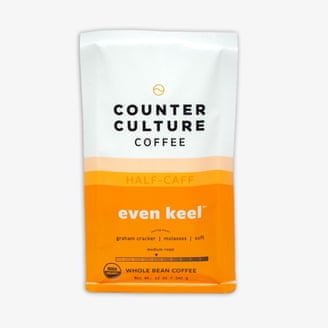
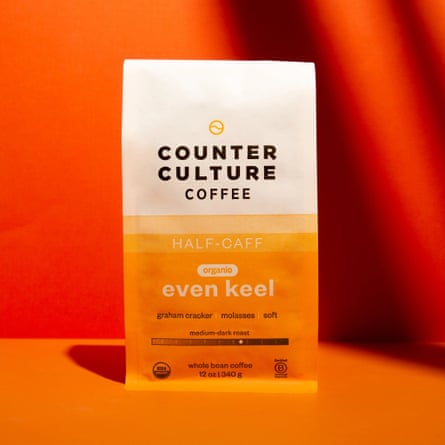
Counter Culture’s Even Keel offers an option for those sensitive to caffeine. However, of all of the blends I tried, this is my least favorite flavor-wise, as it has less distinctive tasting notes than my favorite bags, Cold Hearted and Gradient.
Barista’s note: “I find that coffees that are roasted more in the medium to slightly medium-dark range tend to pair best with milk or cream. The deeper chocolate notes work with the richness of milk to create a drink that’s greater than the sum of its parts,” wrote Morgan Eckroth, a former US barista champion, in an email.
Coffee highlights:
-
Origin: 75% Guatemala, 25% Peru
-
Tasting notes: graham cracker, molasses, soft
-
Roast: medium/dark roast
-
Sustainability: organic
My flavor score: 3/5
A very good decaf:
Slow Motion
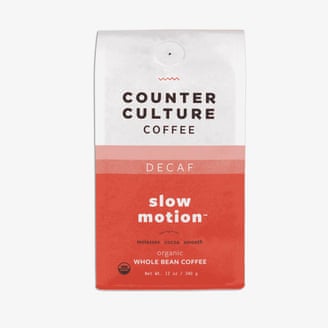
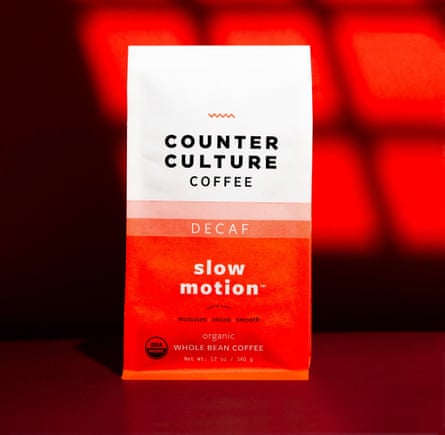
Slow Motion is a decaf blend that packs the same flavor punch as your standard cup of coffee. True to my Italian roots, I enjoyed sipping on this after dinner (drip-style, black). But if you’re avoiding caffeine altogether, this is also a solid option to brew bright and early.
Coffee expert’s note: if you’re skeptical that decaf is truly caffeine-free, Hendon, the University of Oregon professor, says that levels “usually are well below the limit of having a significant biological impact”.
Coffee highlights:
-
Origin: 50% Peru, 50% Guatemala
-
Tasting notes: molasses, cocoa, smooth
-
Roast: medium
-
Sustainability: organic
My flavor score: 4/5
A citrusy light roast:
Apollo
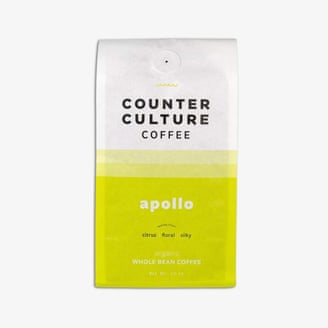
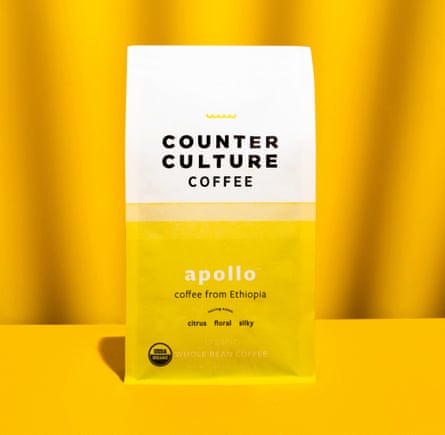
Apollo is an organic medium roast with a light, citrusy taste. I enjoyed this blend in my iced coffees, pairing nicely with soy and almond milk, for a refreshing mid-afternoon jolt of energy.
Barista tip: “A bright, citrusy or fruity coffee can be incredible iced or paired with lighter flavors,” Marzelia said.
Coffee highlights:
-
Origin: Ethiopia
-
Tasting notes: citrus, floral, silky
-
Roast: medium
-
Sustainability: organic
My flavor score: 4/5
Does whole bean coffee expire?
Yes. Unopened, a bag of whole bean coffee lasts between six and 12 months. Coffee roasters such as Counter Culture recommend finishing an opened bag within two weeks for the freshest brew.
What is the difference between a single origin and a blend?
A blend contains a mix of beans sourced from different locations. Meanwhile, a single origin comes from one place. For example, Counter Culture’s single-origin coffees all come from one region, cooperative or farm. Often priced higher than a blend, they are “the next step up in quality”, said Tush, the coffee buyer from Counter Culture.
What bean grinder should I buy?
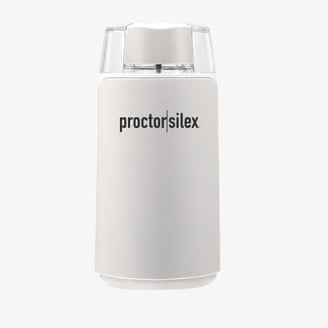
The two common grinders are burr and blade. The former is widely considered the best of the two for its ability to evenly grind the beans without heating them as much as a blade model – which can affect flavor. In our guide to brewing better drip coffee, a former US barista champion also recommended a stainless steel burr grinder (we like this model, recommended by our colleagues in the UK).
If you aren’t ready to splurge on a burr option, I like this one – although it is quite noisy.

Other pieces you might enjoy from the Filter, the Guardian’s guide to buying fewer, better things:
-
The best instant coffees: we tested 24 varieties from powders to pastes
-
Is an AeroPress coffee maker worth it? I tested every model – here’s the good and surprisingly bad
-
Moka pot coffee: unlock cafe-quality iced lattes at home with this $50 Italian staple
The Guardian wp:paragraph
هلدینگ کاسپین استانبول | خرید ملک در ترکیه | صرافی معتبر ایرانی در ترکیه | خرید و فروش طلا در ترکیه | مهاجرت به ترکیه | واردات و صادرات در ترکیه | نیازمندیهای ترکیه | اخبار ترکیه | اخبار جهانی | توریست ایران | خدمات توریستی در ایران | تورهای گردشگری ایران | هلدینگ اول | خدمات کاریابی و فریلنسری و شغل | مرجع اطلاعات ایران (همه چیز در ایران) | کیف پول و خدمات مالی و پرداخت یار | اخبار ایران | تابلو زنده قیمت ارز در ترکیه و استانبول | صرافی آنلاین ترکیه | قیمت طلا و نقره در ترکیه | سرمایه گذاری در ترکیه | جواهرات در ترکیه | نرخ لحظه ای ارزها در استانبول | قیمت دلار امروز در ترکیه | قیمت دلار استانبول امروز | قیمت لحظه ای دلار | اخبار روز ترکیه استانبول | اپلیکیشن ISTEX | اپلیکیشن قیمت لحظه ای دلار و یورو و لیر و ارزها در ترکیه
/wp:paragraph wp:paragraph /wp:paragraph
About the Author