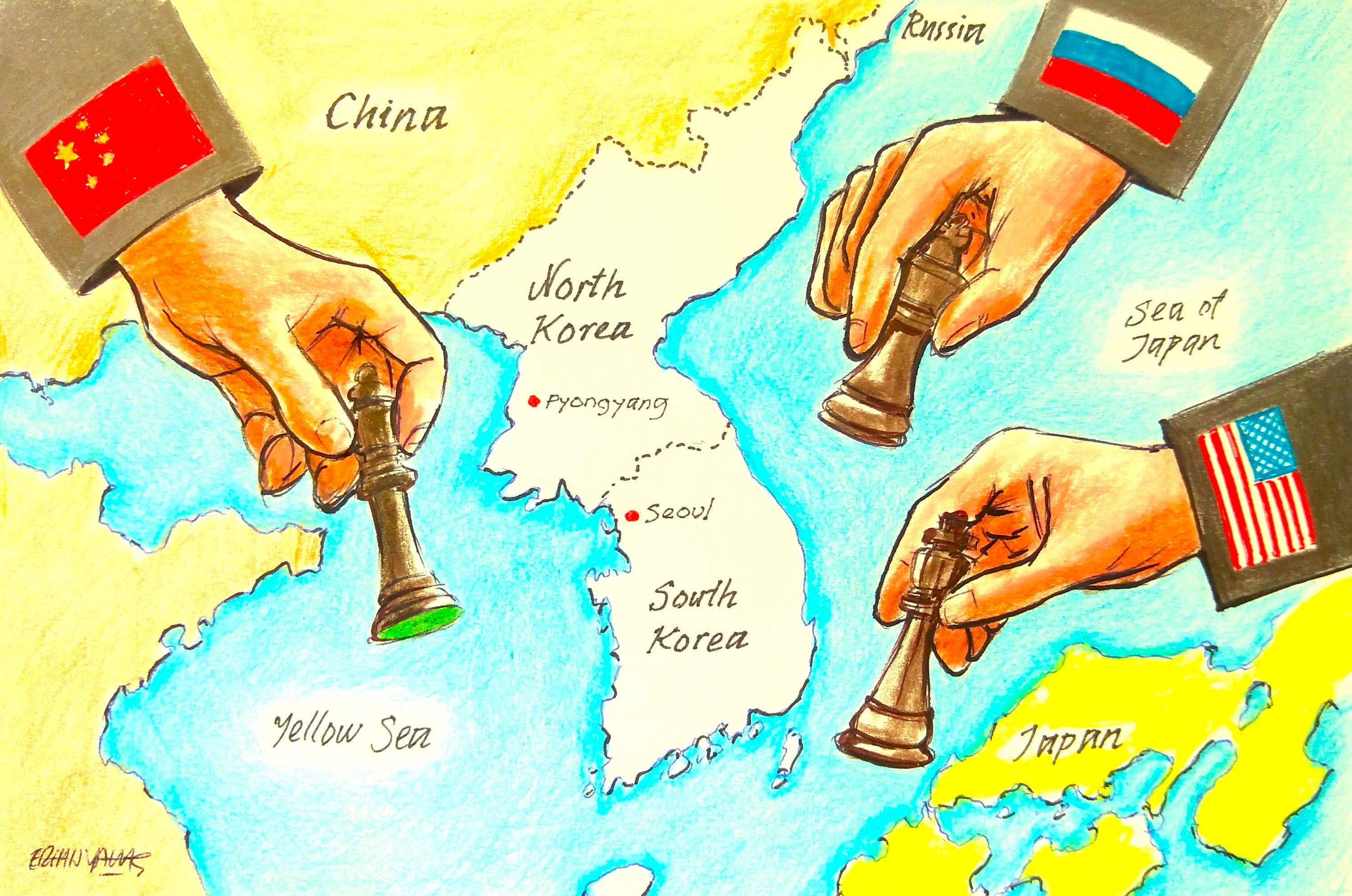
For decades, the strategic map of the Korean Peninsula appeared relatively straightforward. The United States and South Korea stood on one side, while North Korea relied primarily on China. Russia remained an important but secondary actor, and denuclearization dominated almost every diplomatic initiative concerning Pyongyang. That familiar geometry is now much harder to sustain.
U.S. President Donald Trump’s renewed overtures to North Korean leader Kim Jong Un are the most visible sign of change, but they are only part of a broader transformation. Pyongyang has developed a much deeper relationship with Moscow, Seoul is seeking greater diplomatic and strategic room for maneuver, and Beijing is reaching out to South Korea while maintaining its relationship with the North. The old alliances are not disappearing, though the relationships within and between them are growing considerably more fluid.
Trump returns to Kim
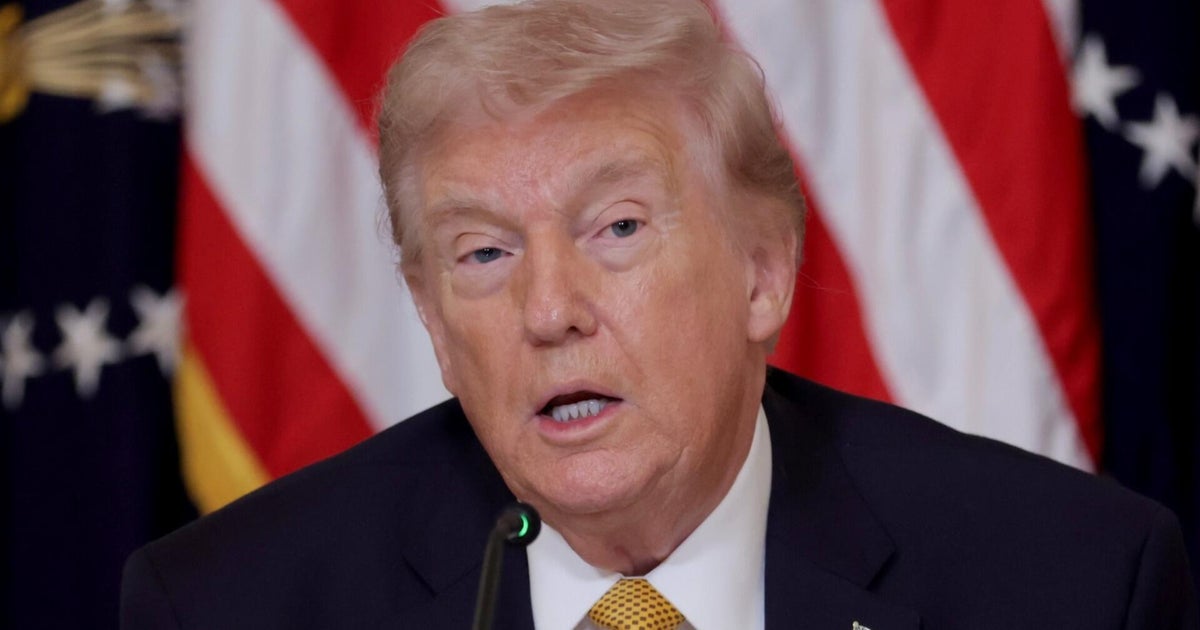
Trump’s latest moves inevitably recall 2018. He ordered the Pentagon to substantially reduce the annual Ulchi Freedom Shield exercises with South Korea, describing them as “inappropriate and hostile.” He has also expressed his desire to meet Kim again later this year.
This resembles Trump’s first-term approach: lower tensions, establish direct leader-to-leader communication and try to achieve through personal diplomacy what conventional negotiations failed to deliver. Yet, Trump would be returning to a very different Korean Peninsula.
The 2018 Singapore summit was itself an enormous diplomatic prize for Kim. Eight years later, North Korea’s nuclear and missile capabilities have advanced, and its diplomatic options have expanded. Most importantly, its relationship with Russia has changed dramatically.
Moscow and Pyongyang now have a Comprehensive Strategic Partnership Treaty that includes a mutual defense provision, while North Korean troops have fought alongside Russian forces. This gives Kim military and political leverage that he did not possess during Trump’s first presidency. Trump may therefore want another summit more than Kim currently needs one.
Indeed, Pyongyang has reacted cautiously to Trump’s overtures. While Kim’s government has not completely closed the door to dialogue, it is demanding fundamental changes in U.S. policy and acceptance of North Korea’s nuclear status. Personal diplomacy may reopen the door, but it can no longer determine what lies behind it.
Seoul’s time to maneuver
The transformation is equally important south of the demilitarized zone. President Lee Jae Myung has no intention of abandoning South Korea’s alliance with Washington, though Seoul is also pushing for greater control over decisions affecting its security and economy.
Trump’s approach makes that balancing act increasingly difficult. Washington wants South Korea to shoulder more responsibility for its defense while viewing the alliance increasingly through the broader prism of competition with China. At the same time, Trump’s trade policies are creating economic uncertainty for a country whose prosperity depends heavily on exports and complex supply chains.
The pressure is therefore no longer confined to security. The combination of trade tensions, tariff uncertainty and geopolitical demands strengthens the argument in Seoul for diversifying risks rather than becoming more dependent on any single major power.
Trump’s Kim diplomacy adds another complication.
Lee welcomes dialogue between Washington and Pyongyang. But any direct Trump-Kim accommodation inevitably raises a familiar concern: decisions about the future of the Korean Peninsula could once again be negotiated primarily between Washington and Pyongyang, leaving Seoul with limited influence over outcomes directly affecting its security.
Strategic autonomy in this context does not necessarily mean distancing South Korea from the U.S. However, it means building greater capacity to manage relations with Washington, Beijing and Pyongyang according to South Korea’s own interests.
Beijing sees opening
China has clearly noticed these tensions. Foreign Minister Wang Yi’s visit to Seoul came just as Washington was reducing military exercises and seeking renewed engagement with Pyongyang.
Wang called on South Korea to exercise “genuine strategic autonomy,” avoid bloc confrontation and develop relations with Beijing and Washington in parallel.
Beijing’s objective should not be exaggerated: China is unlikely to expect Seoul to abandon an alliance with Washington that has been institutionalized for decades, and a more achievable goal is preventing that alliance from evolving into a broader security architecture explicitly directed against China.
At the same time, Wang’s visit also demonstrated the limits of the apparent convergence between Beijing and Seoul.
Lee’s government wants China to help create diplomatic momentum around the Korean Peninsula. But despite both sides presenting bilateral relations as having substantially recovered, Wang did not endorse Seoul’s proposal for multiparty peace talks involving North Korea. That is not a minor distinction.
China supports greater South Korean autonomy from Washington, but it does not necessarily support Seoul’s preferred diplomatic architecture for the peninsula. Beijing wants to preserve its own channels with Pyongyang and its own leverage over the future regional order.
In other words, strategic autonomy means different things in Beijing and Seoul.
Beyond old blocs
North Korea’s changing position complicates matters further. China remains Pyongyang’s most important economic partner and a crucial political ally. But Kim’s deepening relationship with Moscow has given him another major-power option, and greater ability to maneuver between China, Russia and the U.S.
Even the nuclear question is changing. North Korea increasingly presents its arsenal not as a bargaining chip to exchange for sanctions relief but as a permanent component of national security. Any renewed Trump-Kim diplomacy may eventually force Washington to confront whether complete denuclearization remains achievable or whether negotiations should increasingly focus on arms control, risk reduction and preventing escalation.
The Korean Peninsula can therefore no longer be understood simply as Washington and Seoul confronting a Beijing-backed Pyongyang.
Washington wants engagement with North Korea while competing with China. Seoul wants to keep its U.S. alliance while gaining greater strategic and economic flexibility. Beijing wants closer relations with Seoul without sacrificing its influence in Pyongyang. North Korea, for its part, can increasingly maneuver between China and Russia while leaving open the possibility of negotiating directly with Washington, and Moscow has moved from the margins of the Korean question much closer to its center.
Another Trump-Kim summit would command global attention. But it may not be the most consequential development.
What matters more is that the rigid strategic geometry that defined the peninsula for decades is growing more fluid: alliances remain, but the actors within them now have more options, and increasingly pursue interests that do not fit comfortably into two opposing blocs.
Trump may be trying to reopen the diplomatic door he first walked through with Kim in 2018. If he succeeds, he will find a very different Northeast Asia waiting on the other side.
The views and opinions expressed in this article are solely those of the author. They do not necessarily reflect the editorial stance, values or position of Daily Sabah. The newspaper provides space for diverse perspectives as part of its commitment to open and informed public discussion.
DAILYSABAH
هلدینگ کاسپین استانبول | خرید ملک در ترکیه | صرافی معتبر ایرانی در ترکیه | خرید و فروش طلا در ترکیه | مهاجرت به ترکیه | واردات و صادرات در ترکیه | نیازمندیهای ترکیه | اخبار ترکیه | اخبار جهانی | توریست ایران | خدمات توریستی در ایران | تورهای گردشگری ایران | هلدینگ اول | خدمات کاریابی و فریلنسری و شغل | مرجع اطلاعات ایران (همه چیز در ایران) | کیف پول و خدمات مالی و پرداخت یار | اخبار ایران | تابلو زنده قیمت ارز در ترکیه و استانبول | صرافی آنلاین ترکیه | قیمت طلا و نقره در ترکیه | سرمایه گذاری در ترکیه | جواهرات در ترکیه | نرخ لحظه ای ارزها در استانبول | قیمت دلار امروز در ترکیه | قیمت دلار استانبول امروز | قیمت لحظه ای دلار | اخبار روز ترکیه استانبول | اپلیکیشن ISTEX | اپلیکیشن قیمت لحظه ای دلار و یورو و لیر و ارزها در ترکیه
About the Author