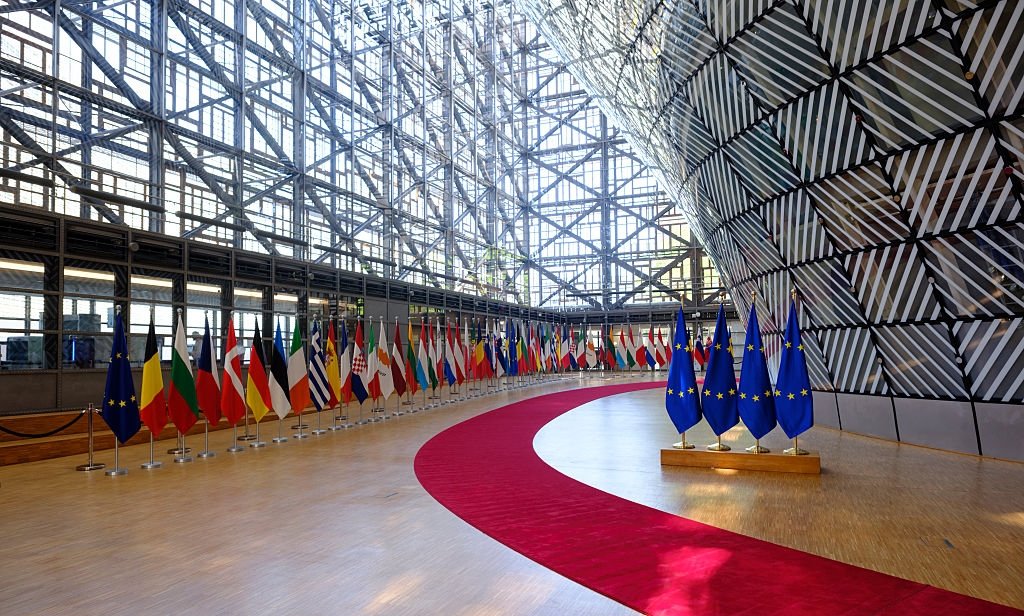
The European continent is once again caught between two global powers, namely the U.S. and the Russian Federation. The continent has lost its productivity, become significantly weakened militarily, fallen behind in state-of-the-art technologies, and become dependent on various global powers in many issue areas. For this reason, Europe has for some time been trying to increase its strategic autonomy in international politics and extricate itself from the impasse in which it finds itself.
European countries seek to achieve a balance between the U.S. and rising global powers such as China. However, they have not succeeded in these policies due to their heavy reliance on the U.S., particularly in the face of a vital threat emanating from other powers such as Russia. Since the outbreak of the war in Ukraine, the issue causing the greatest concern among European states is the threat they perceive from Russia. Europeans fear that Russia might attack a European state at any moment. This is the reason why European states are sending such large amounts of aid to Ukraine; thus, they think that they will be able to keep Russia away from Europe.
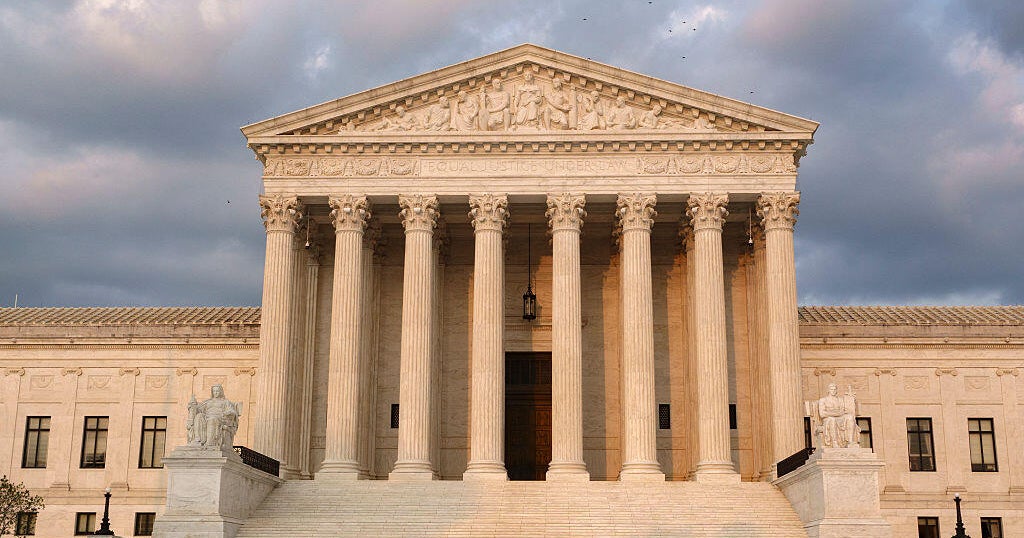
The Ukrainian war has revealed one of the most vital threats facing European countries: remaining between the U.S. and Russia. After losing ground, European countries found themselves encircled, ineffective and largely dependent. Especially with the second Trump term, the U.S. has begun to turn into a threat to Europe as well. U.S. President Donald Trump’s intention to take over Danish-owned Greenland, his insistence that Europeans must provide for their own security, and most recently, his questioning of the U.K.’s sovereignty over the Falkland Islands are all sources of serious concern and tension in Europe. In particular, the growing rapprochement between the two major military powers, the U.S. and Russia, on either side of the European continent is causing Europe increasing unease.
Is the West united against Russia?
With the collapse of the Western global system and the changing dynamics of international politics, the conditions binding the U.S. and Europe together have weakened. Eventually, the U.S. and Europe have increasingly divergent economic, political, and military priorities and concerns. Each party is striving to take measures to maximize its interests and to develop or join regional and global projects.
First of all, the security concerns of the U.S. and Europe have diverged. While the U.S. perceives the threat primarily as coming from China, Europe considers China a potential partner and perceives the threat mainly as coming from Russia. The U.S., not wanting to lose Russia to China, is trying to improve its relations with Moscow. To this end, it is striving to normalize its relations with Russia. Bogged down in Europe and the Middle East due to its support for European countries and Israel, the U.S. finds itself unable to wage its own war or take measures against threats to its national security.
The U.S. no longer wants to provide a security umbrella to Europe. It expects European countries to make the necessary expenditures and investments for their respective national security. For this reason, it expects European defense budgets to amount to five 5% percent of their respective gross domestic product. It no longer wants European states to be free riders and remain dependent on American military power.
Is Europe united against Russia?
European countries do not have a unified stance in many regional and global crises, including many technical, economic and political issues. First of all, different European states have different security priorities. While Eastern and Central European states are under a heavy Russian threat, Western European states such as Portugal and Spain have different security priorities. There are many political fault lines (eastern-western, northern-southern, NATO-non-NATO members, EU and non-EU members) dividing European states.
Recently, it seems that Ukraine has changed its political priorities and military targets in its war with Russia. At the beginning of the war, the Ukrainian security forces had been trying to liberate the occupied Ukrainian territories from the Russian invasion. However, recently, Ukraine has been attempting to target major economic infrastructure located in Russia’s interior and thus inflict the greatest possible damage to Russia. In other words, instead of liberating its territories from occupation, it is waging a war of attrition against Russia. In a sense, Ukraine is fighting a proxy war against Russia today.
In Europe, which is struggling with economic, political and military crises in the shadow of the Ukraine-Russia war, Germany is one of the most affected countries on the continent. Germany and Russia are facing a severe diplomatic crisis after Berlin officially accused Moscow of an attempted sabotage drone attack at a German airport. In recent weeks, a drone with an explosive device was found near a Ukrainian transport plane at Leipzig-Halle Airport; German officials described the incident as a “hybrid attack” and blamed Russia for it. However, Russia immediately denied any involvement in the drone incident and accused Germany of escalating tension in the region. Russian Foreign Minister Sergey Lavrov claimed that Germany’s actions mark the start of a “real war” with Russia.
Furthermore, developments in domestic politics of various European countries have made the situation even more complicated. There is no single perspective on Russia among European states; different political actors hold differing views regarding Russia.
Most far-right political groups in European states such as the Alternative for Germany (AfD) are pro-Russian. For example, the AfD party’s relations with Russia are shaped around a rapprochement with Moscow, the lifting of sanctions imposed by the Western states, and the cessation of support for Ukraine. Recently, far-right political parties in Europe have begun to significantly increase their vote shares, and thus they are about to come to power in different political parties.
As politics in Europe lost its rationality, a distorted mindset dominated by emotions and ideologies began to take hold of the continent. This situation emerged as a serious threat not only to Europe but also to its partners. Misreading regional and global developments, Europe is incapable of developing a political discourse suited to the new conditions. Europe knows neither what it wants nor what it should oppose. For instance, Europe speaks of values in its relations with Türkiye on the one hand. However, it can become complicit in the crime of genocide being committed by Israel in Palestine without a second thought. In short, the balance of Europe has been disrupted, and it appears unlikely to recover anytime soon.
The views and opinions expressed in this article are solely those of the author. They do not necessarily reflect the editorial stance, values or position of Daily Sabah. The newspaper provides space for diverse perspectives as part of its commitment to open and informed public discussion.
DAILYSABAH
هلدینگ کاسپین استانبول | خرید ملک در ترکیه | صرافی معتبر ایرانی در ترکیه | خرید و فروش طلا در ترکیه | مهاجرت به ترکیه | واردات و صادرات در ترکیه | نیازمندیهای ترکیه | اخبار ترکیه | اخبار جهانی | توریست ایران | خدمات توریستی در ایران | تورهای گردشگری ایران | هلدینگ اول | خدمات کاریابی و فریلنسری و شغل | مرجع اطلاعات ایران (همه چیز در ایران) | کیف پول و خدمات مالی و پرداخت یار | اخبار ایران | تابلو زنده قیمت ارز در ترکیه و استانبول | صرافی آنلاین ترکیه | قیمت طلا و نقره در ترکیه | سرمایه گذاری در ترکیه | جواهرات در ترکیه | نرخ لحظه ای ارزها در استانبول | قیمت دلار امروز در ترکیه | قیمت دلار استانبول امروز | قیمت لحظه ای دلار | اخبار روز ترکیه استانبول | اپلیکیشن ISTEX | اپلیکیشن قیمت لحظه ای دلار و یورو و لیر و ارزها در ترکیه
About the Author