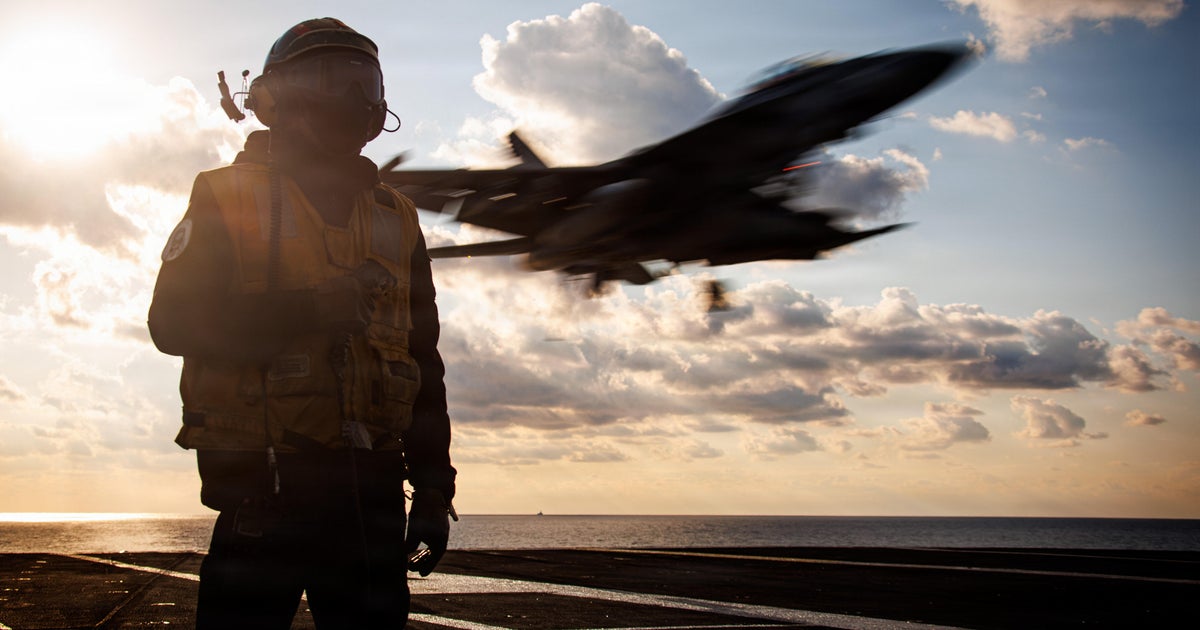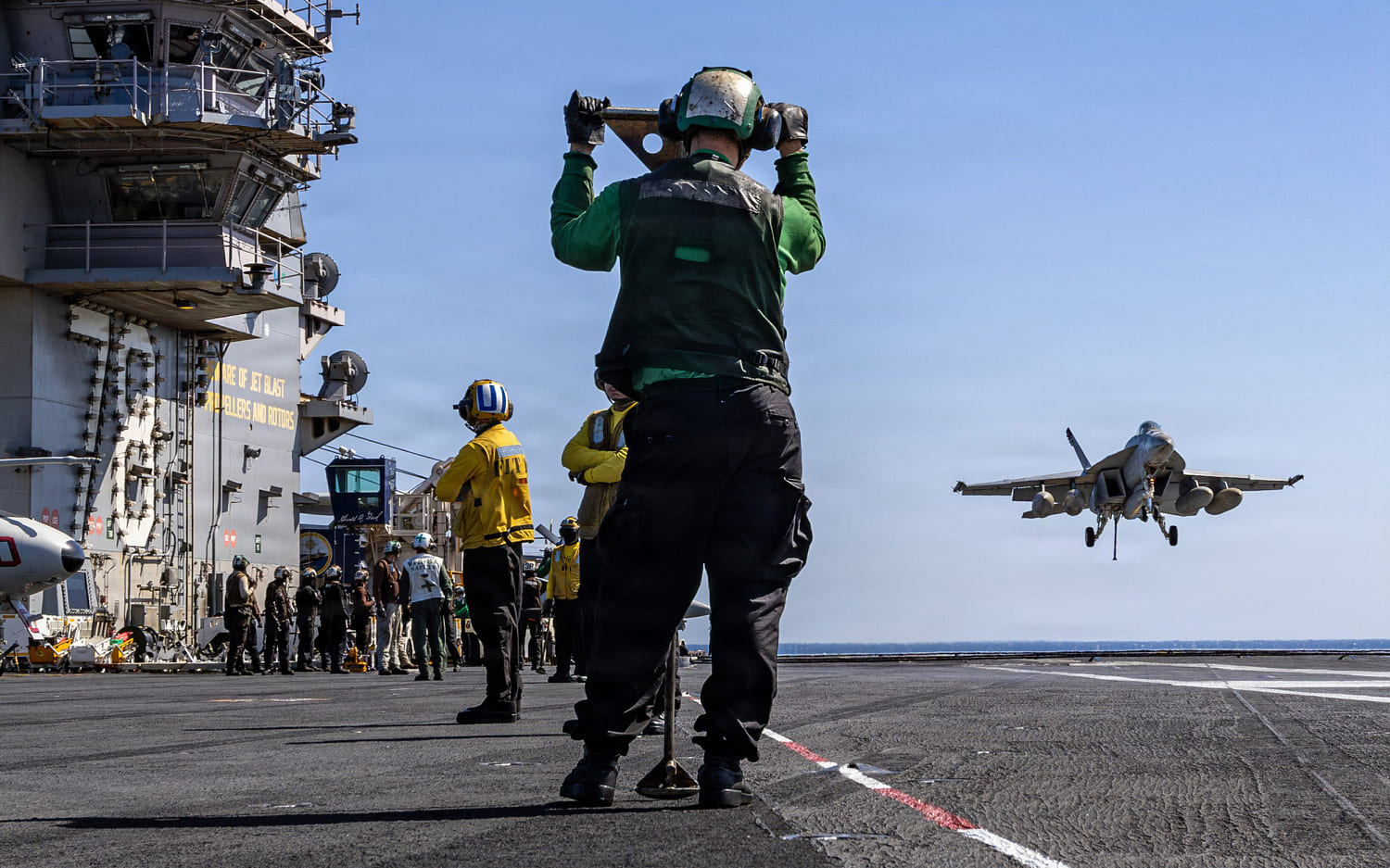
WASHINGTON — The war with Iran is driving up inflation and borrowing costs may increase for Americans, according to a new report released Tuesday by the Congressional Budget Office.
The report found the war was responsible for more than one-third of the increase in inflation this year, and inflation will likely continue to grow in the first quarter of next year. The CBO specifically blames the war for more than 40% of inflation during the second quarter of 2026 and an estimated half a percentage point of higher inflation during the first quarter of 2027. Interest rates are likely to rise as a result, making borrowing more costly the report found.
Interest rates are likely to keep rising as a result, making borrowing more costly, the report found. The rate on the typical 30-year mortgage was under 6% before the war started; it’s at 7.22% as of Tuesday, according to Mortgage News Daily. Wall Street, likewise, expects the Federal Reserve to raise its key interest rate Wednesday in a bid to tamp down inflation.
The main driver of increased inflation is fewer oil and natural gas shipments through the Strait of Hormuz and the Red Sea, the CBO report says. The average price of a gallon of gasoline in the U.S. is up 45% since the beginning of the war, hitting $4.32 as of Tuesday. Diesel, which is essential to the economy as it fuels farm equipment and other commercial vehicles, has increased 66% to a record $6.26.
The Congressional Budget Office is a nonpartisan federal agency controlled by Congress that conducts analysis related to the federal budget and the economy.
The estimate comes a day after the Pentagon’s watchdog found the Iran war resulted in a shortfall of U.S. munitions and “bottlenecks” in supply chains.
The CBO report estimates it will be five years before the Pentagon is able to replace munitions expended during the war, which it estimates has cost roughly $38 billion as of Aug. 1. That cost estimate does not include the price tag for repairing damage Iran inflicted on “hundreds of buildings and structures at U.S. bases” in the Middle East.
The Pentagon didn’t cooperate with requests from CBO, according to the agency. The White House didn’t immediately respond to a request for comment.
One of the reasons the CBO says it could not estimate the cost of damage to U.S. military bases and other facilities in the region is because the Defense Department hasn’t shared with the office “information about the value of damaged or destroyed equipment and property” or what repairs the Pentagon plans to make, the funding for which could in part be picked up by the countries where the facilities are located.
Sen. Elizabeth Warren, D-Mass., in a written statement called for an end to the war and described it as “a one-two punch that’s burning a hole in Americans’ pockets and burning a hole in our munitions supply, hurting our military readiness.”
The report estimated it would cost $13.1 billion to replace missile defense interceptors alone, and the overall cost to replace munitions expended through Aug. 1 would be $21.7 billion. It will take roughly $2 billion to $3 billion per month to maintain the war’s status quo, and more if the conflict escalates, the report found.
NBC News Top Stories wp:paragraph
هلدینگ کاسپین استانبول | خرید ملک در ترکیه | صرافی معتبر ایرانی در ترکیه | خرید و فروش طلا در ترکیه | مهاجرت به ترکیه | واردات و صادرات در ترکیه | نیازمندیهای ترکیه | اخبار ترکیه | اخبار جهانی | توریست ایران | خدمات توریستی در ایران | تورهای گردشگری ایران | هلدینگ اول | خدمات کاریابی و فریلنسری و شغل | مرجع اطلاعات ایران (همه چیز در ایران) | کیف پول و خدمات مالی و پرداخت یار | اخبار ایران | تابلو زنده قیمت ارز در ترکیه و استانبول | صرافی آنلاین ترکیه | قیمت طلا و نقره در ترکیه | سرمایه گذاری در ترکیه | جواهرات در ترکیه | نرخ لحظه ای ارزها در استانبول | قیمت دلار امروز در ترکیه | قیمت دلار استانبول امروز | قیمت لحظه ای دلار | اخبار روز ترکیه استانبول | اپلیکیشن ISTEX | اپلیکیشن قیمت لحظه ای دلار و یورو و لیر و ارزها در ترکیه
About the Author