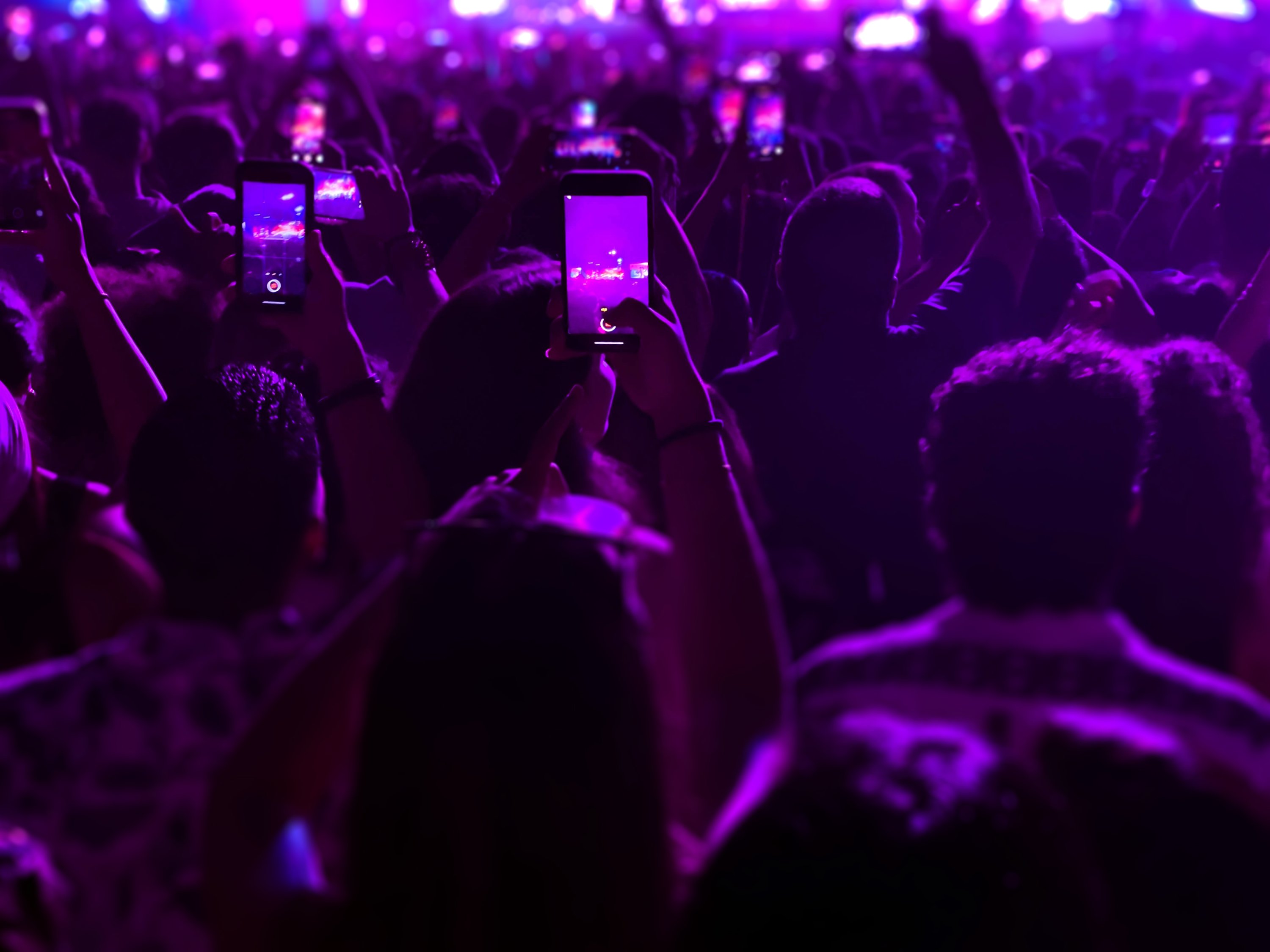
“FOMO,” a concept we are becoming familiar with, stands for “the fear of missing out”: missing out on life. People experience anxiety about missing out on events in environments where they are not invited or present. They may feel anxiety and unease when they cannot keep up with current events due to lack of social media access or when their connection with their circle of friends is cut off or restricted (even if for a good reason, such as a vacation). To escape these feelings, they may become more addicted to social media or tend to contact people excessively. This creates a cycle.
It is not officially classified as a psychological disorder in widely accepted diagnostic manuals such as the Diagnostic and Statistical Manual of Mental Disorders (DSM-5). However, intense FOMO experiences can open the door to psychological disorders.
How does it manifest itself?
Sometimes FOMO manifests itself as saying yes to and participating in invitations even when feeling extremely tired, simply to avoid missing out on the fun and conversations. Other times, it can manifest as rushing to multiple plans in the same evening, even if it exhausts you, and not being able to fully participate in either. Sometimes, it can appear as losing yourself in trends; going to cafes, going on vacations or buying clothes simply because they are trendy. Sometimes it appears as maxing out credit cards out of fear of missing out on discounts and deals.
Since everyone shares everything on social media these days, access to information is very easy. This is both a curse and a blessing. For people experiencing intense FOMO, technological devices become like a third arm, an extra limb after a while. Sometimes it can appear as scrolling through Reels on your phone or spending hours scrolling through Facebook.
Factors influencing FOMO
FOMO can be present in all of us to varying degrees, and its intensity can increase at different stages of our lives. It can motivate us to be productive, or it can lead to inaction. Several factors can influence the FOMO experience. Based on my observations in clinical practice, I’ve grouped these into six categories: fear of making mistakes, putting needs second, low self-esteem, intolerance of loneliness, suppressing authenticity and a predisposition to anxiety. While these factors may contribute to the feeling of FOMO, each has a different underlying dynamic and hence requires a different approach to deal with it. While these factors may contribute to similar feelings of FOMO, each reflects a different underlying dynamic and therefore requires a different approach to coping with it.
- Fear of making mistakes
The fear of making the wrong decision and missing out on the best can seriously trigger FOMO. Generally, those with a high fear of making mistakes cannot live with that fear, and seeing others who do trigger it. As the fear of making mistakes increases, trust in one’s inner voice decreases, and living according to accepted emotions/expectations rather than inner needs – that is, living according to trends – can lead to intense feelings of meaninglessness and emptiness as one gets older, resulting from the perception of missing out.
If this sounds familiar, my suggestion might be: stop wasting your energy chasing the “best” option and focus on the “good enough” option. Before making any decision, determine two or three basic criteria, and stop searching among the first five options that meet these criteria and act immediately. Remember, endlessly comparing options does not reduce the risk of making mistakes; on the contrary, it freezes your mind, leading to indecision and inaction. Secondly, it might be helpful to normalize this, and it applies to everything: “It’s normal for it to happen; it’s normal for it not to happen.”
- Putting your needs second
On social media, some people enthusiastically describe how they stepped outside their comfort zone, listened to their inner voices and how their lives transformed. Someone who has always put their needs second might feel like they’re not living life to the fullest when they see this.
If this sounds familiar, my suggestion is to spend six months, every day, asking yourself: “How am I feeling today? What do I need?” Then, gradually implement the answers you receive. Do this for six months, and you’ll see an increase in the satisfaction you get from life.
- Low self-esteem
Those with intense feelings of worthlessness and inadequacy never see what they have as sufficient. What others possess seems better and more meaningful to them. Those whose self-worth depends on the applause of others chase after trends rather than their real needs, trying to project an image of having the best of everything, and thus truly miss out on life. Chasing trends and the applause of others is like trying to fill a bucket with a hole in the bottom; that bucket will never be full.
If this sounds familiar, the following exercise might help: Scan your past starting from today, noting down all your uncelebrated, unappreciated and swept-under-the-rug achievements, big and small, over the years. Now, at your current age, honor and celebrate them one by one. And do this not to play to the gallery, but to increase your self-approval and self-worth.
- Inability to tolerate loneliness
Sometimes being alone, and sometimes socializing, is a sign of healthy psychology. Some people are good at socializing but cannot tolerate being alone. I have known people over the years who could not even eat a meal alone. People who cannot tolerate loneliness may intensely feel like they are missing out on life or being left out.
If this sounds familiar to you, my suggestion is to process these feelings by practicing being alone. You can consciously spend time alone, observe what you feel, and try to hold onto those feelings.
- Suppressing authenticity
Individuals who suppress their authentic selves may experience a more intense fear of missing out on life because we all want to belong, to be accepted as we are and to feel valued. These feelings strengthen as our shared experiences with others increase; however, psychological health is the ability to maintain our authentic side while belonging. This can be achieved by occasionally separating ourselves: by adding our own unique nuances to our decisions, from coffee to vacations, from relationships to lifestyle, our need to catch up with others’ lives and FOMO decreases.
- Predisposition to anxiety
Anxious people are more easily triggered by fears of missing out, exclusion or making mistakes. My suggestion here would be to focus on building meaningful connections. Having three to four friends or family members with whom you share deep bonds will be better for you than 50 superficial friends. Building meaningful connections helps us release oxytocin, which is a wonderful resource for regulating our nervous system.
The suggestions I mentioned above can reduce the intensity of FOMO, and in some cases, eliminate it altogether. However, if you are still experiencing these effects, you may want to consider seeking professional help. I have found it beneficial for many people, including myself.
DAILYSABAH
هلدینگ کاسپین استانبول | خرید ملک در ترکیه | صرافی معتبر ایرانی در ترکیه | خرید و فروش طلا در ترکیه | مهاجرت به ترکیه | واردات و صادرات در ترکیه | نیازمندیهای ترکیه | اخبار ترکیه | اخبار جهانی | توریست ایران | خدمات توریستی در ایران | تورهای گردشگری ایران | هلدینگ اول | خدمات کاریابی و فریلنسری و شغل | مرجع اطلاعات ایران (همه چیز در ایران) | کیف پول و خدمات مالی و پرداخت یار | اخبار ایران | تابلو زنده قیمت ارز در ترکیه و استانبول | صرافی آنلاین ترکیه | قیمت طلا و نقره در ترکیه | سرمایه گذاری در ترکیه | جواهرات در ترکیه | نرخ لحظه ای ارزها در استانبول | قیمت دلار امروز در ترکیه | قیمت دلار استانبول امروز | قیمت لحظه ای دلار | اخبار روز ترکیه استانبول | اپلیکیشن ISTEX | اپلیکیشن قیمت لحظه ای دلار و یورو و لیر و ارزها در ترکیه
About the Author