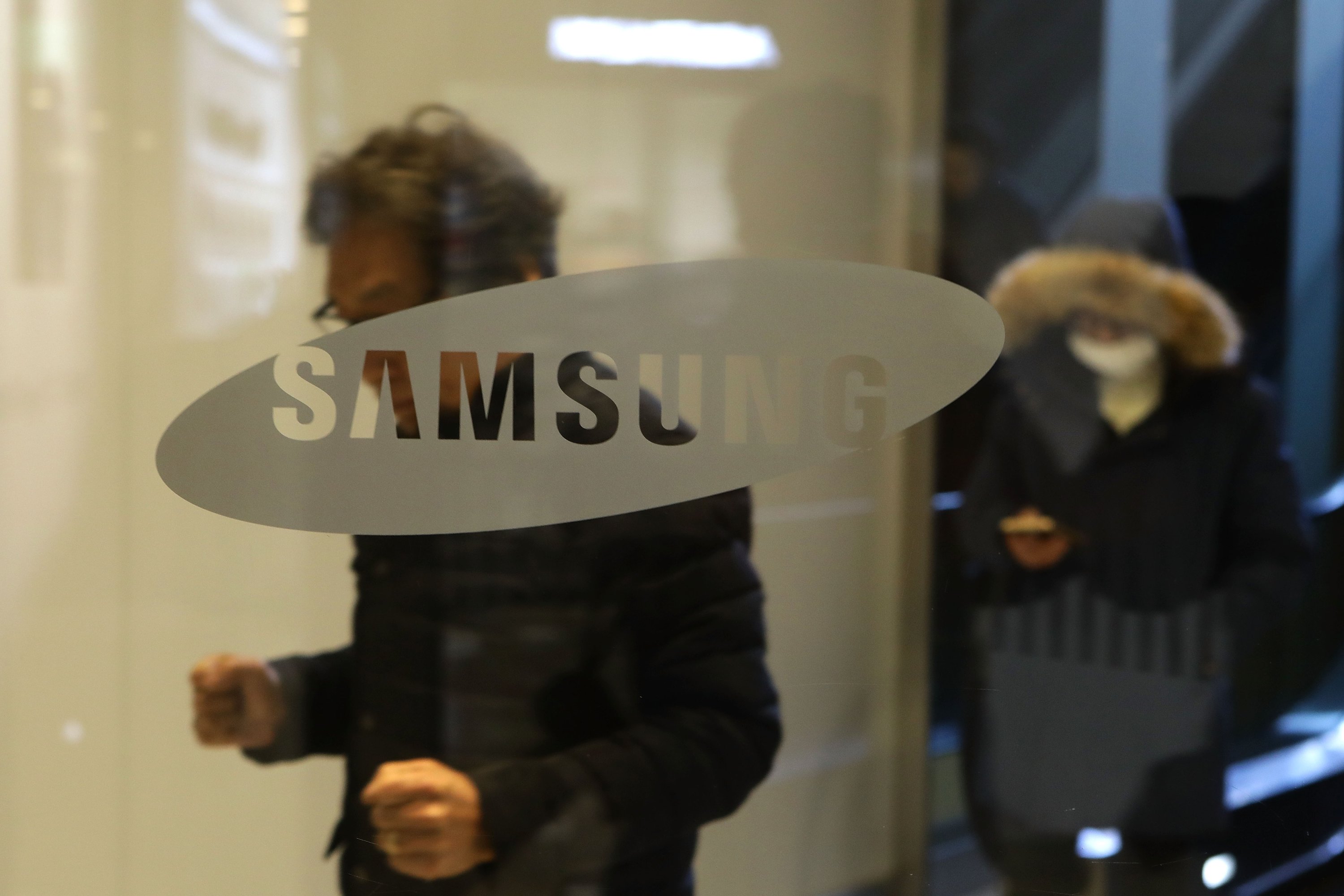
Samsung is facing growing scrutiny in Türkiye after some of its television models reportedly left viewers unable to access certain channels following last month’s major Türksat satellite transition.
The issue emerged after television and radio broadcasts were moved from the Türksat 3A satellite to newer satellites during the night of Aug. 15-16.
While televisions equipped with the Türksat Channel Update System, known as TKGS, are designed to update channel lists automatically, some Samsung TV owners have reported problems accessing channels after the frequency changes.
The dispute has raised questions about whether some Samsung models sold in the Turkish market were adequately equipped for local broadcasting requirements and whether consumers were properly informed about their televisions’ capabilities.
The issue is particularly notable because Samsung Electronics is a South Korean company with a major presence in Türkiye.
The two countries have maintained diplomatic relations since 1957 and upgraded their ties to a strategic partnership in 2012, while South Korean companies have a significant commercial presence in Türkiye.
Channel problems
Türksat completed the transfer of television and radio broadcasts from Türksat 3A to newer satellites on Aug. 16. The satellites occupy the same orbital position, meaning viewers did not need to reposition their dishes. However, channel frequencies changed, requiring compatible televisions and receivers to update their channel lists.
Türksat says TKGS was developed specifically to eliminate the need for viewers to manually track frequency changes. On compatible devices, channel lists can be updated automatically when broadcast frequencies change or new channels are added.
That became a problem for some Samsung television owners who found that their channel lists were incomplete or that certain broadcasts could no longer be accessed after the transition.
Reports from Samsung’s own community forum also show users experiencing difficulties with TKGS and channel detection during the transition.
In one Aug. 16 discussion, a Samsung TV owner said the television was unable to find the channels despite attempts to use TKGS and manual frequency settings. A Samsung moderator attributed some of the problems to the transition period.
Questions over models sold in Türkiye
The reports have prompted questions about whether certain Samsung models sold in Türkiye support TKGS as expected.
It is important to distinguish between Samsung televisions generally and particular models. Samsung’s current Turkish support documentation explicitly provides instructions for using TKGS on compatible televisions, as well as a manual network-scan option for situations in which automatic updating does not work.
The company updated its guidance on Sept. 9, weeks after the satellite transition.
Samsung’s instructions tell users with compatible televisions to select TKGS under the antenna settings and initiate a scan.
The company also provides manual network-search instructions for users who need to update their channels without relying on automatic TKGS updates.
That guidance, however, has not necessarily resolved every reported case.
Some Samsung users have continued to seek help after the transition, while technology outlets have published instructions for restoring missing channels through TKGS or manual frequency searches.
Consumer concerns remain
For affected consumers, the central issue is straightforward: a television purchased for use in Türkiye should be able to provide reasonable access to the country’s established satellite broadcasting system without leaving viewers struggling to restore channels after a planned frequency transition.
The situation has therefore raised questions about the specifications of individual Samsung models, their compatibility with Türkiye’s broadcasting infrastructure and the information provided to consumers at the time of purchase.
It has also put the spotlight on the responsibilities of manufacturers and importers when products are marketed in a country with specific technical requirements.
At this stage, however, claims that Samsung deliberately sold “substandard” televisions or violated Turkish regulations would require confirmation from the relevant authorities.
The available evidence establishes that some users experienced channel-access problems and that Samsung provides TKGS support for compatible models, but it does not by itself establish that Samsung illegally imported or sold non-compliant televisions.
What happens next?
The key questions now concern which Samsung models are affected, whether those models were required to support TKGS when they were sold, and whether the relevant Turkish authorities determine that any consumer or regulatory obligations were breached.
Samsung has continued to provide troubleshooting guidance, including TKGS and manual channel-search instructions.
Whether that will be sufficient for affected consumers remains to be seen.
The controversy also comes at a sensitive point in Türkiye-South Korea commercial relations.
South Korea is an important trade and investment partner for Türkiye, with hundreds of South Korean companies operating in the country, according to Türkiye’s Foreign Ministry.
DAILYSABAH
هلدینگ کاسپین استانبول | خرید ملک در ترکیه | صرافی معتبر ایرانی در ترکیه | خرید و فروش طلا در ترکیه | مهاجرت به ترکیه | واردات و صادرات در ترکیه | نیازمندیهای ترکیه | اخبار ترکیه | اخبار جهانی | توریست ایران | خدمات توریستی در ایران | تورهای گردشگری ایران | هلدینگ اول | خدمات کاریابی و فریلنسری و شغل | مرجع اطلاعات ایران (همه چیز در ایران) | کیف پول و خدمات مالی و پرداخت یار | اخبار ایران | تابلو زنده قیمت ارز در ترکیه و استانبول | صرافی آنلاین ترکیه | قیمت طلا و نقره در ترکیه | سرمایه گذاری در ترکیه | جواهرات در ترکیه | نرخ لحظه ای ارزها در استانبول | قیمت دلار امروز در ترکیه | قیمت دلار استانبول امروز | قیمت لحظه ای دلار | اخبار روز ترکیه استانبول | اپلیکیشن ISTEX | اپلیکیشن قیمت لحظه ای دلار و یورو و لیر و ارزها در ترکیه
About the Author