Late one night, I was completely taken by surprise by a message from my boss: “Would you like to go to China? But you need to let me know your decision within a few hours. They’re waiting for an answer.”
We were invited by the Global Development Promotion Center (GDPC), under the China International Development Cooperation Agency (CIDCA), to take part in a two-week program. I couldn’t pass up the opportunity to see for myself the country with a one-party political system we knew so little about.
That excitement soon gave way to concern when I learned how strictly internet access is regulated in China. As I am Daily Sabah’s opinion editor, I communicate with our contributors via Western apps, most of which are blocked in China. The prospect of being cut off from my whole professional network was, to put it mildly, unsettling.
Fortunately, I also learned that it was possible to keep the “Great Firewall” from getting between me and the rest of the world. After all, China would understand my need to stay connected to the global village, right? Hadn’t the country itself become one of the world’s largest economies in a remarkably short time, guided by the old Chinese saying: “As heaven maintains vigor through movement, a gentleman should constantly strive for self-improvement”?
The program we participated in, titled “Seminar on the Chinese Local Development Practice of Xi Jinping Thought on Socialism with Chinese Characteristics for a New Era,” was aimed at explaining President Xi Jinping’s role in this success story.
By tracing his career from his time as vice mayor of Xiamen in 1985 to his tenure in Shanghai in 2007, the program explored how he guided development in each region where he served.
Economy behind image
It’s fair to say that our journey was both exhausting and deeply impressive. Beginning at a luxury hotel overlooking Yundang Lake in Xiamen, we traveled through developed cities, pilot villages and industrial centers before ending our trip at the Shanghai Institute of Artificial Intelligence.
When I look back on our two-week trip, certain images remain vivid in my memory.
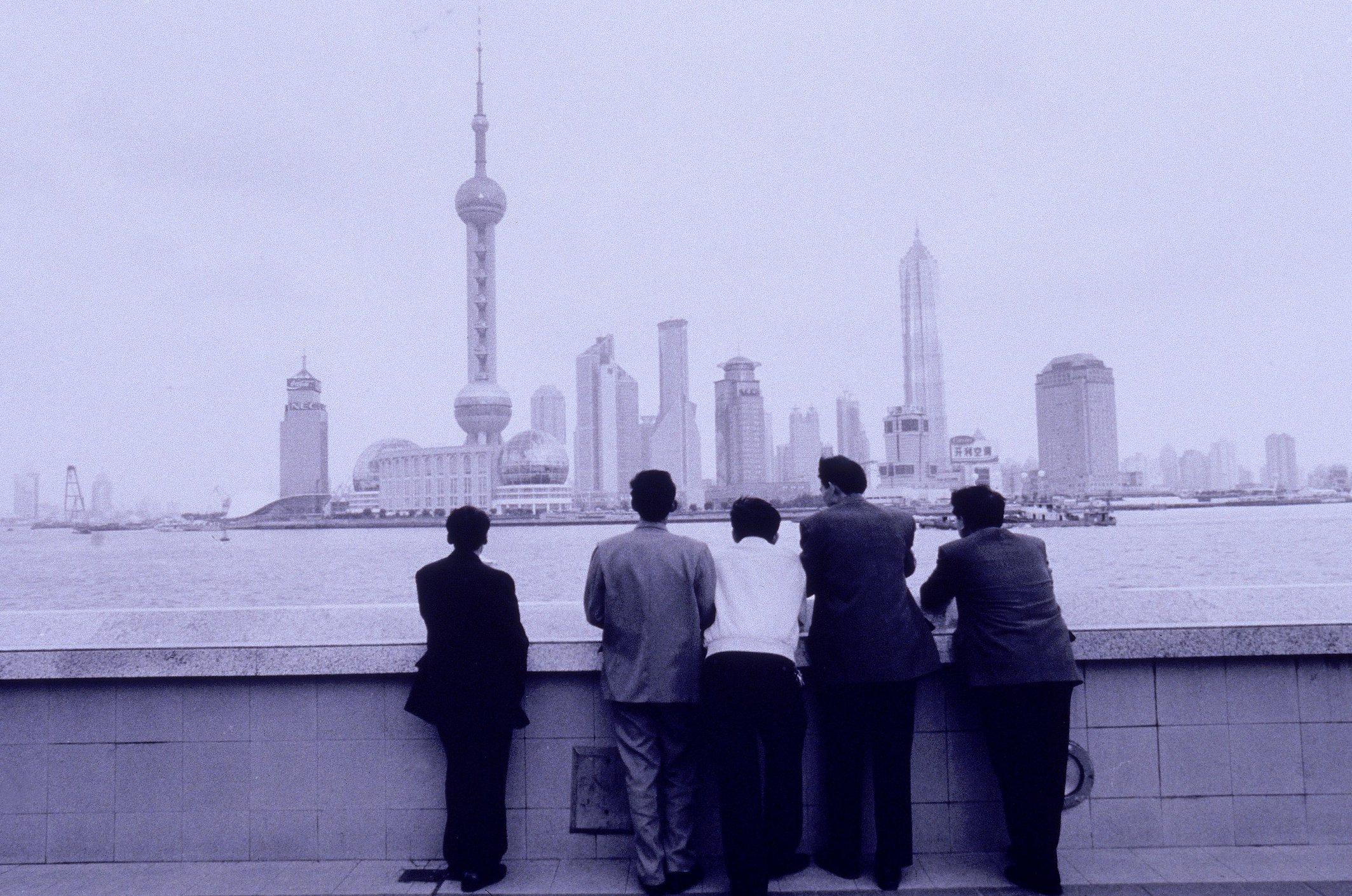
I don’t remember ever seeing a country so covered in apartments; even during hourslong bus trips between cities, the horizon was often filled with towering residential buildings. At night, skyscrapers illuminated the cityscapes, while carefully maintained parks and gardens appeared almost everywhere we went.
Still, other participants and I found it hard to believe that what we were seeing truly reflected the full reality of China, one of the largest countries in the world.
In fact, this was a point repeatedly emphasized throughout the seminar by everyone involved, from the organizers and guides who accompanied us to the academics and experts who lectured us. They stressed that the highly developed places we visited represented only one part of the country. Particularly west of the Heihe-Tengchong Line – which broadly divides China’s more populous and developed regions from its sparsely populated and less developed ones – many areas have yet to reach the desired level of development. For this reason, they argued, China has not yet attained “developed nation” status.
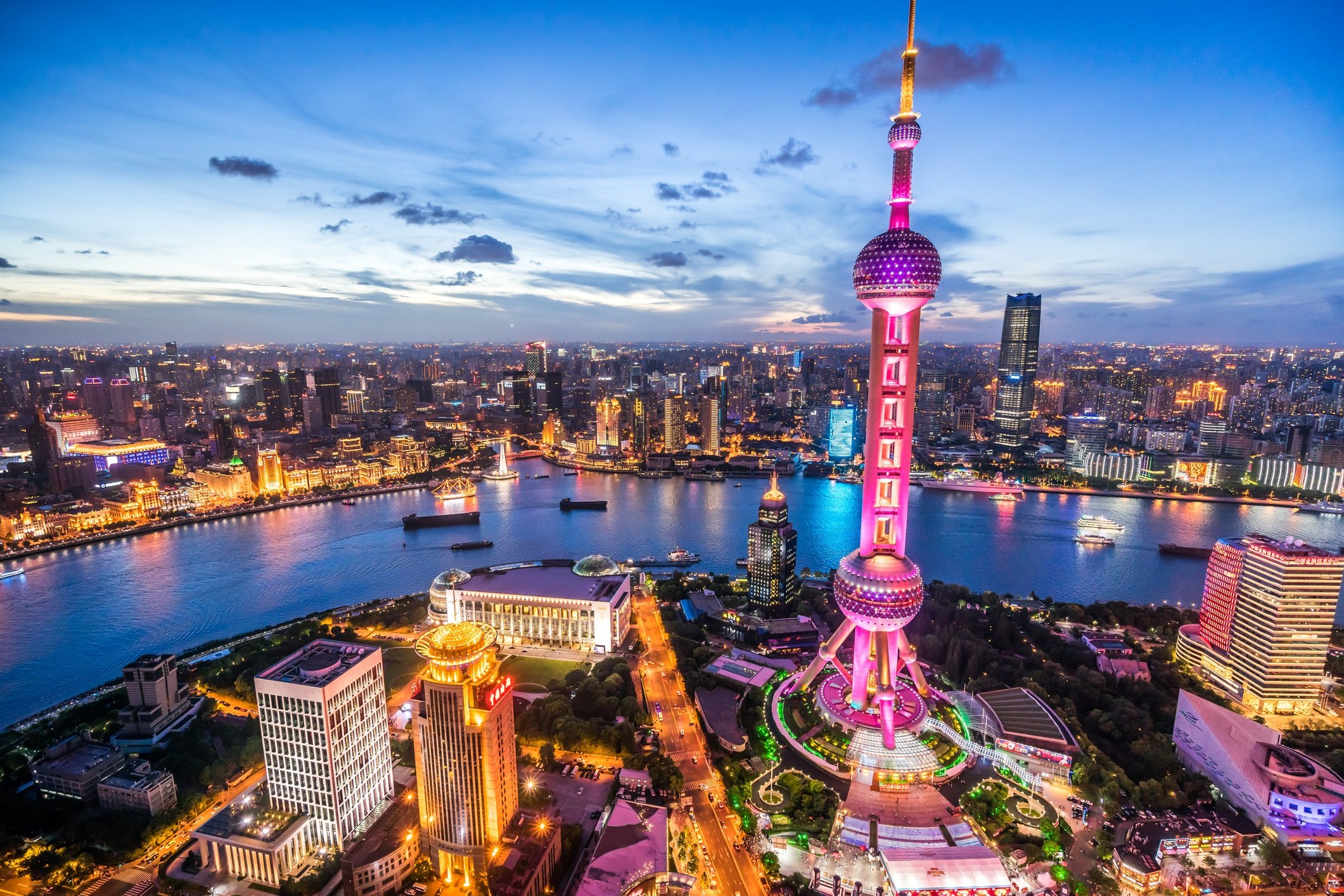
At this point, it is worth pausing to consider a few facts that shed light on the complexity of China’s economic development.
China is the world’s largest economy by purchasing-power parity (PPP) and the second-largest by nominal gross domestic product (GDP), after the United States. In 2025, its GDP was approximately $19.5 trillion, while its GDP per capita was around $13,862, according to the World Bank.
Despite its enormous overall economic size, China remains an upper-middle-income economy according to the World Bank, as its gross national income (GNI) per capita remains below the current high-income threshold of $14,375.
China also falls within the United Nations Development Programme’s “high human development” category, with a human development index (HDI) of 0.797 in 2023, just below the 0.800 threshold for “very high human development.”
Together, these indicators highlight the contrast between China’s exceptional economic scale and its lower per-capita income and human development levels relative to high-income economies.
However, as our seminar made clear to me, China is keen to use precisely this contrast to convey a message to participants from Global South countries.
China’s message to Global South
Each year, China invites delegations from developing countries as part of its efforts to showcase its development experience.
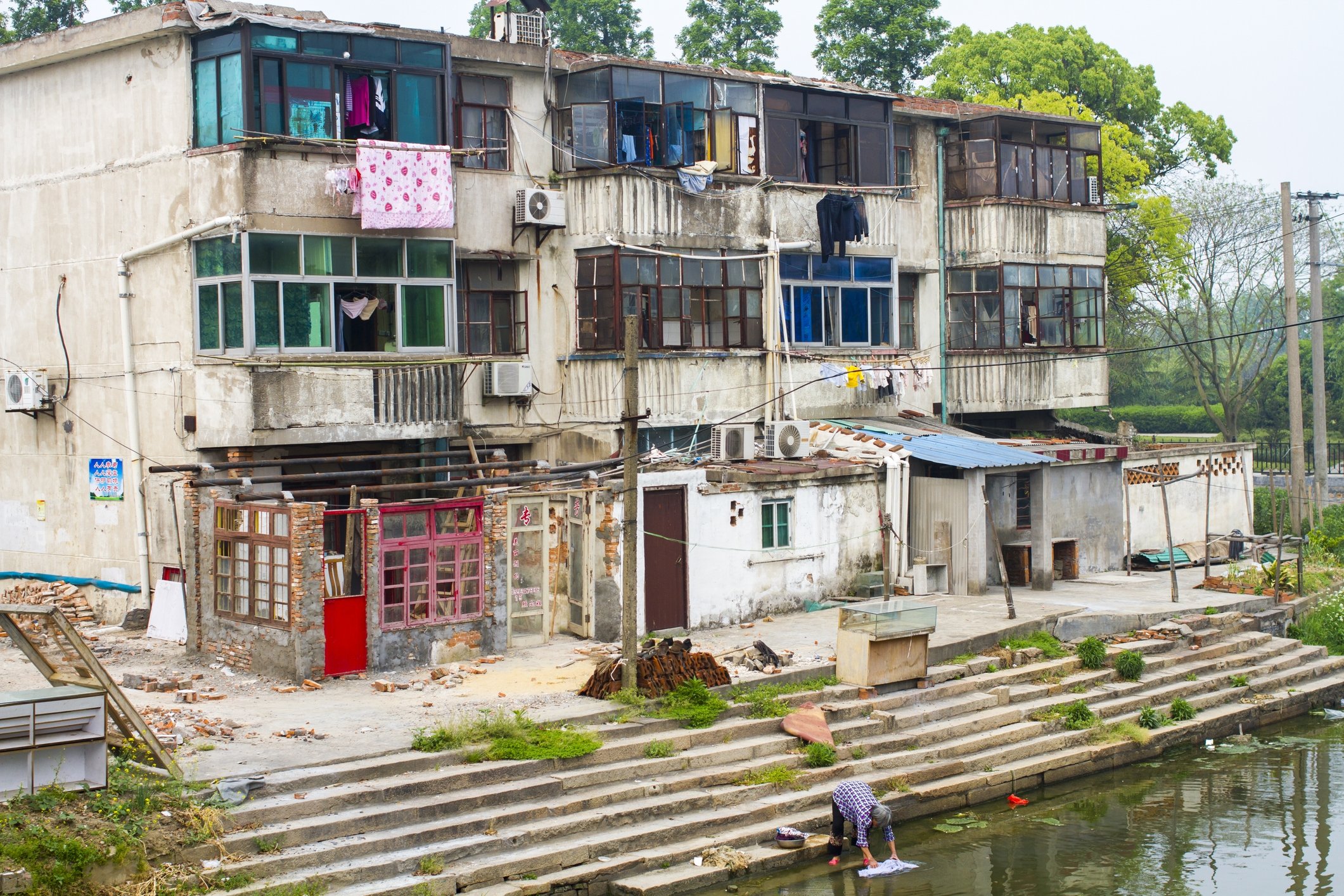
As a country of the Global South that has experienced partial colonization in the past, China acknowledges the challenges it has shared with other developing nations. At the same time, it highlights the progress it has made since the launch of its reform and opening-up process in 1978, attributing that progress to the sound solutions it has developed in response to those challenges.
Furthermore, as China seeks a greater role in global leadership vis-à-vis the West, it states that it is “ready to share these solutions with the entire world” and calls for a world order based on “greater justice and cooperation.”
The composition of our group – 31 participants from 21 countries, ranging from ministry officials and diplomats to mayors and, of course, members of the press – was itself a reflection of China’s efforts to deepen its ties around the world and shape how it is perceived abroad.
So, I asked the guests from Africa, the Middle East, and the former Soviet Bloc countries for their thoughts on China and the program we were participating in.
While most approached the subject with what could be described as “healthy skepticism,” the overwhelming majority said that China was bringing “significant investments and opportunities for cooperation” to their countries and explained to me “why doing business with China is more profitable than doing business with the West.”
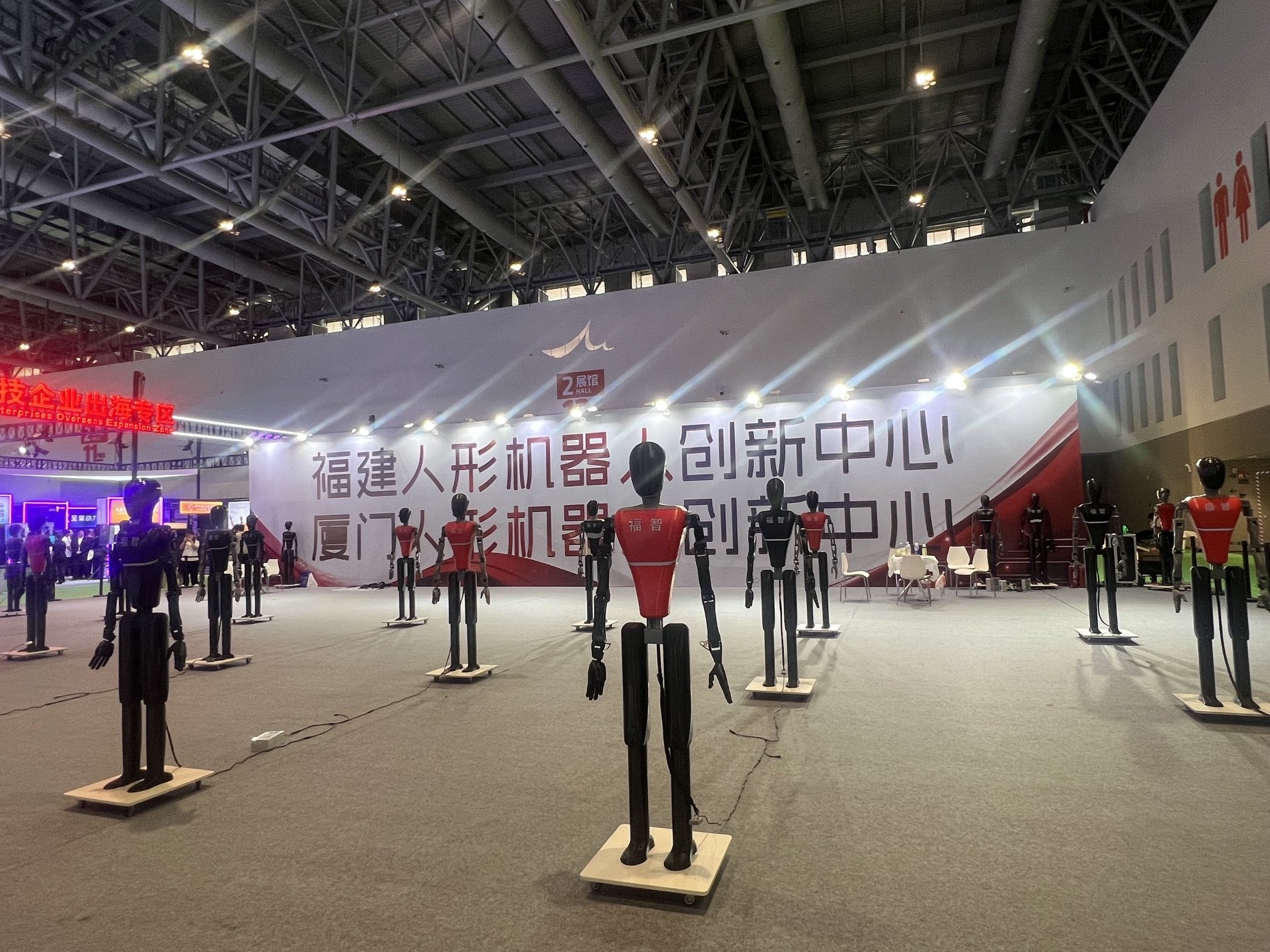
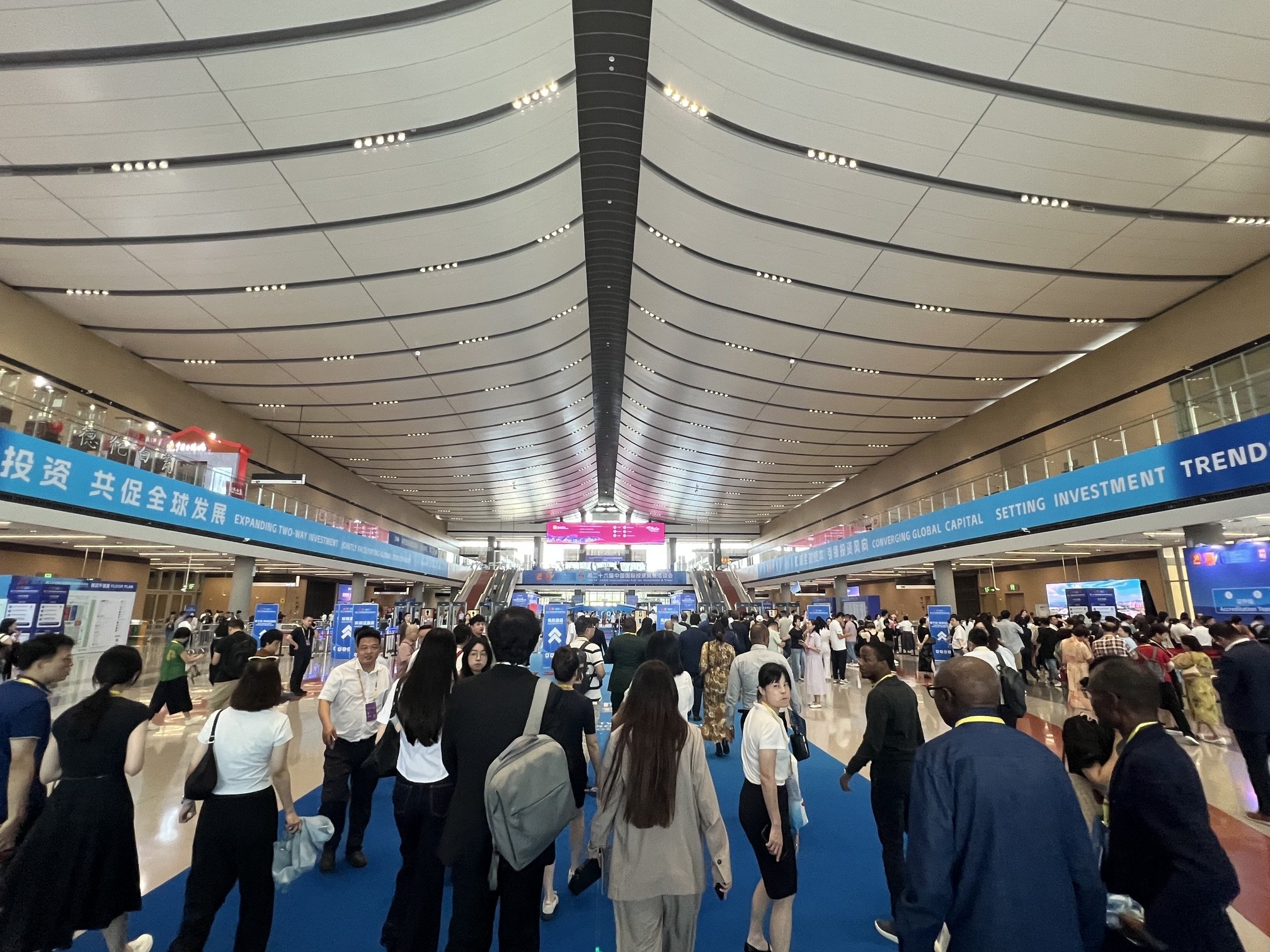
Furthermore, everyone seemed enthusiastic about the prospect of moving from a unipolar to a multipolar world order.
But all of this, of course, represents only one dimension of China’s competition with the West for global influence.
While the seminar focused primarily on China’s economic development story, as a journalist with a background in sociology and history, I found myself asking a different set of questions.
New psychological framework?
If “the world’s most powerful country” – one of U.S. President Donald Trump’s favourite ways of describing his own nation – were one day to become a phrase associated with China, what might that mean for the rest of us? How might China’s rise reshape the ways of thinking, habits and tastes of societies that have long been shaped by Western intellectual hegemony?
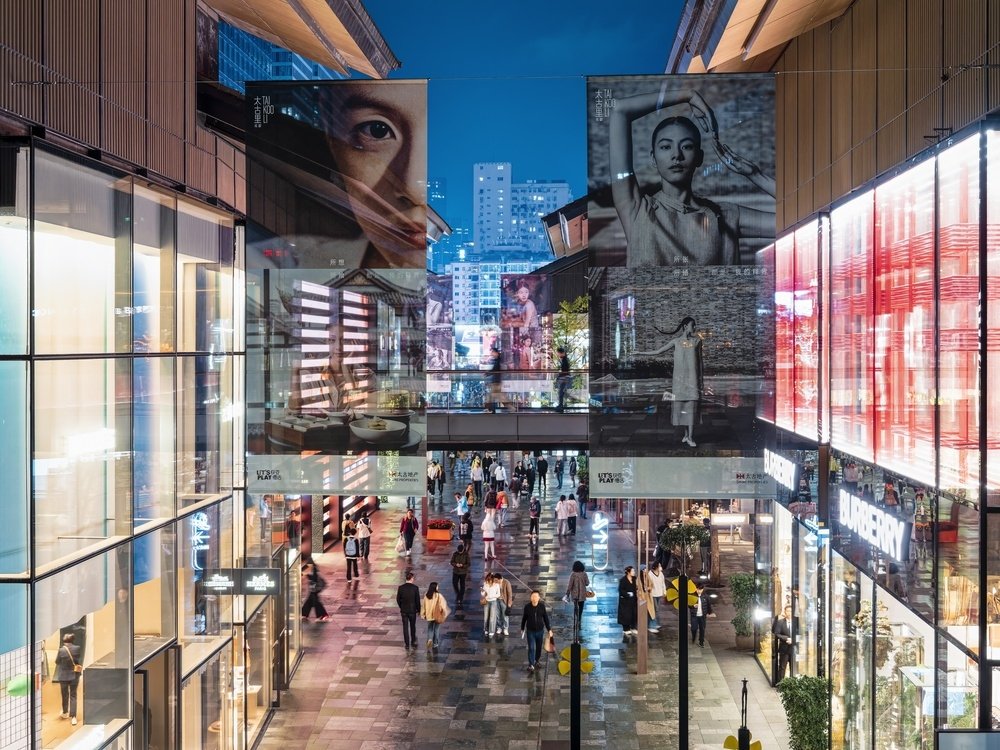
I couldn’t help but wonder what kind of people the children of those who sip Starbucks White Chocolate Mochas on their way to the latest Marvel movie will grow into under Chinese influence. What about the grandkids of those who keep track of which fashion houses will dominate the Met Gala, or calculate how much of their paychecks they need to save for a Coldplay or Kanye West concert?
After all, new generations will be growing up in a world where China is becoming increasingly visible in fashion and entertainment industries, social media, technology and everyday life.
As they debate what is necessary, what is right, and what is modern for their own societies, what role will China play in shaping those answers?
What exactly would replace the people who today boast about “having an American or European in-law,” and who rejoice that their children have “made it” to a Western country?
Answering these questions fell squarely within my personal sphere of interest.
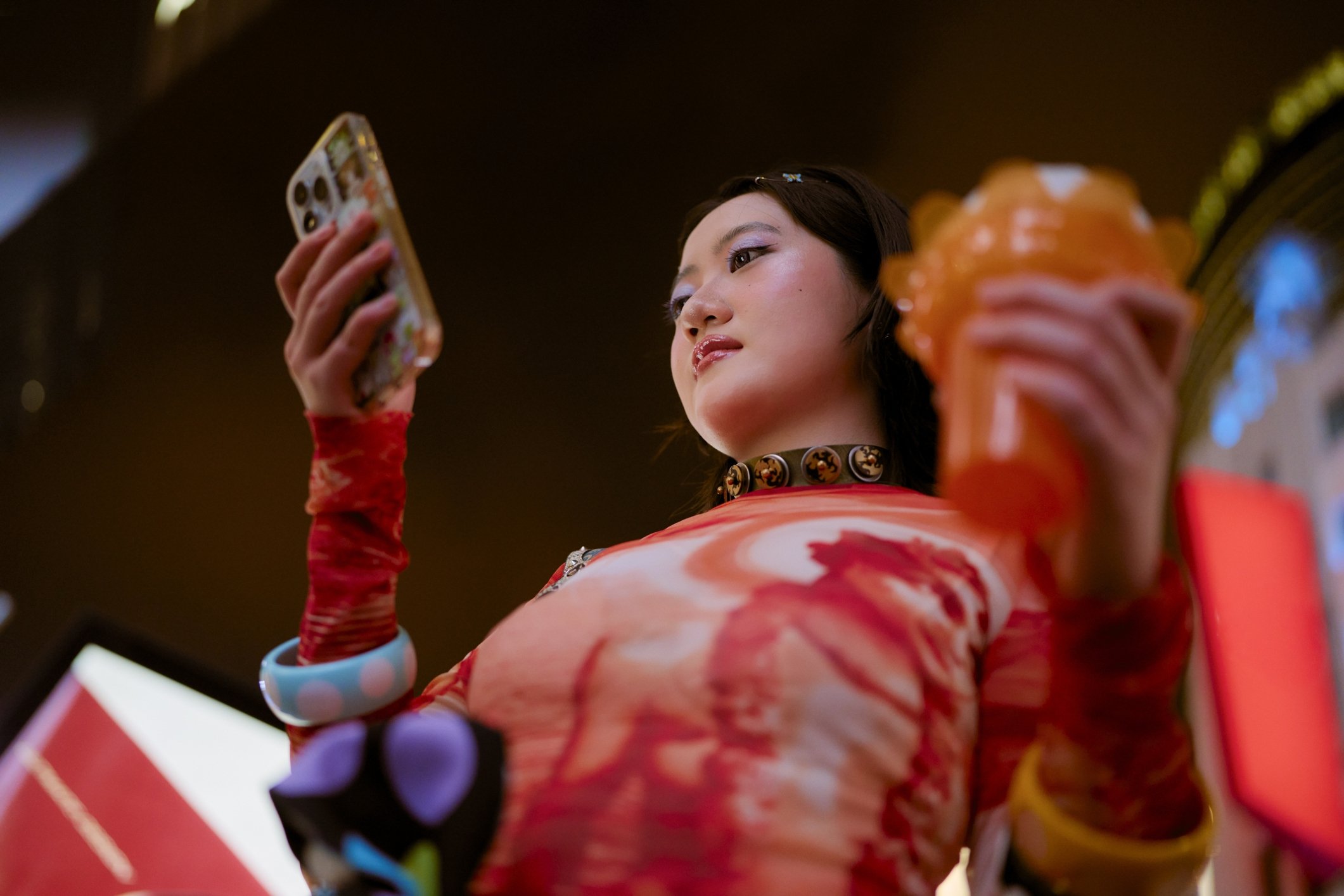
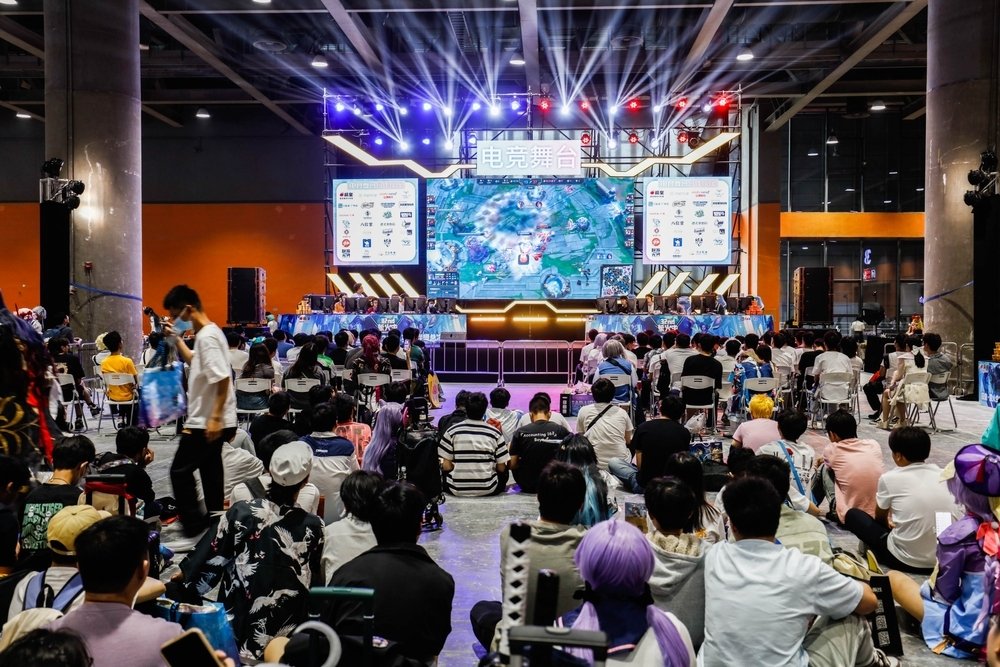
Although the seminar we attended did not directly give answers to these questions, it nevertheless provided us with some ideas about the Chinese perspective of human nature and values, from which we can each draw our own conclusions.
While the West exports “liberal democracy,” to the rest of the world, one of the Chinese professors lecturing to us remarked sarcastically that a prosperous society could be achieved without this concept.
This, it seems, is one of the most fundamental differences between the perspectives of these two worlds.
As we all know, the West loves championing individuality, diversity and differences of opinion, sometimes to the point of creating a little chaos in other countries. This reminds us of their famous saying, “divide and rule.”
According to the Chinese understanding, what matters most is that everything – from human nature to the socio-economic structures of society – be shaped around the idea of “harmony.” But the harmony, or in other words “balance” and “order,” is not naturally there. It must be built, nourished, protected, and therefore, managed.
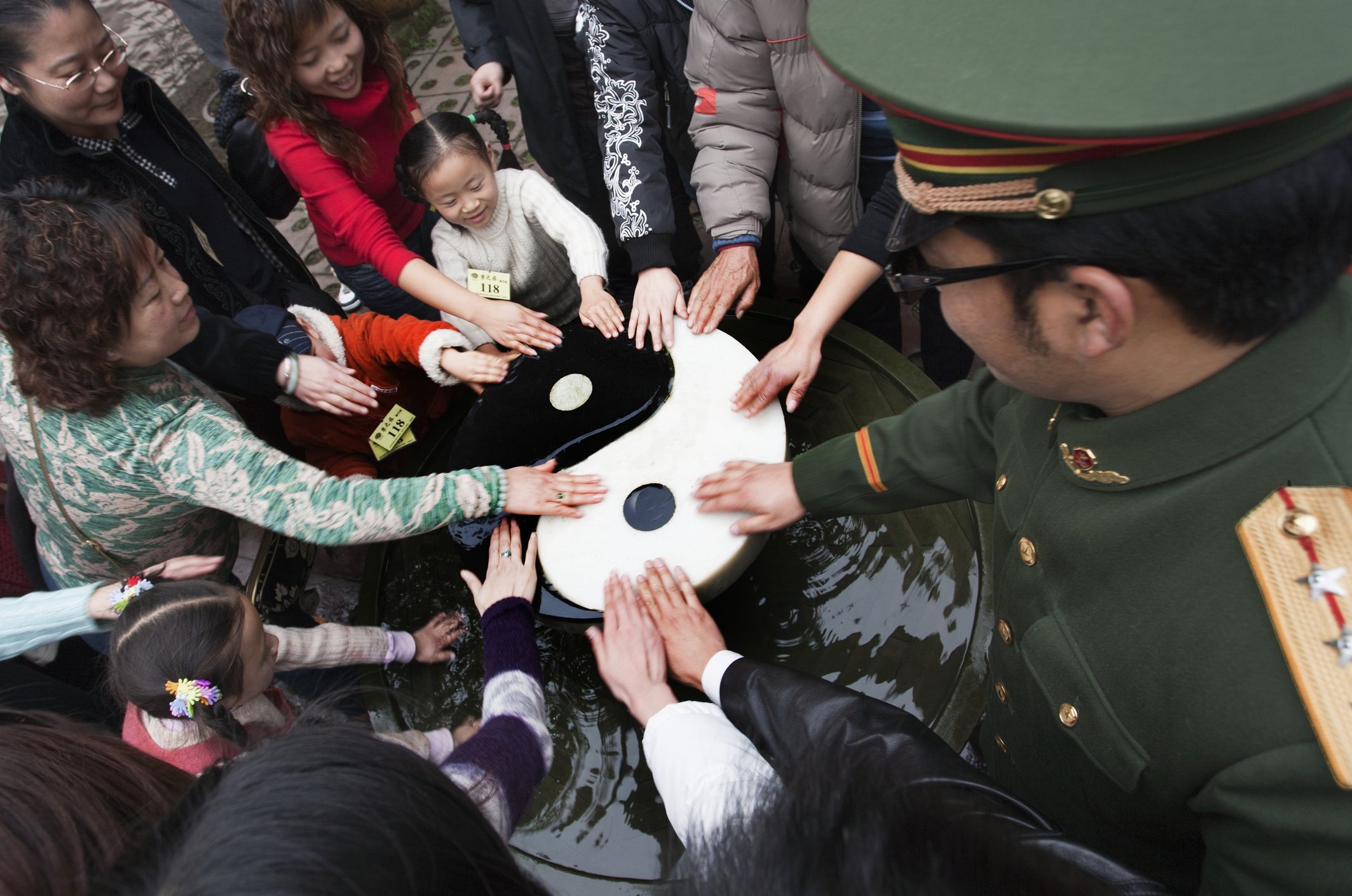
The Chinese government seeks to plan everything from A to Z and organize society so that it can function in unity. The five-year plans they have implemented with great consistency since 1953 are the most significant indicators of this. It argues that the key to breaking free of its past constraints has lain in the ability to act in a coordinated manner, from the highest-level leader down to the individual citizen.
These different priorities and rules will surely have implications for how China treats its partners in international relations and, therefore, how the rest of the world will learn to adapt to the “Chinese experience.”
At this point, perhaps the most important question we can ask China is this: What will happen when someone disrupts the harmony, order, and all these plans?
In fact, this was one of the themes that participants occasionally returned to, perhaps with a touch of concern. “What will China do if we can’t repay the loans we’ve taken from you?” one of them asked.
Of course, every loan is given to be repaid, and every agreement is signed to be honored. But there will always be those who fall short of their commitments.
As China rises to a stronger position on the global stage, what approach will it take in situations where expectations aren’t met, or the parties have differing views?
What China shared with us over these past two weeks was truly impressive. But the answer to this question is just as important as its development projects and economic achievements. Because a country’s claim to global leadership is shaped not only by how quickly and effectively it grows, but also by how it chooses to exercise the power that comes with it.
The world will be watching how China chooses to use that power. Let us hope its rise brings greater cooperation, mutual respect, and a more balanced and equitable international order.
The views and opinions expressed in this article are solely those of the author. They do not necessarily reflect the editorial stance, values or position of Daily Sabah. The newspaper provides space for diverse perspectives as part of its commitment to open and informed public discussion.
DAILYSABAH
هلدینگ کاسپین استانبول | خرید ملک در ترکیه | صرافی معتبر ایرانی در ترکیه | خرید و فروش طلا در ترکیه | مهاجرت به ترکیه | واردات و صادرات در ترکیه | نیازمندیهای ترکیه | اخبار ترکیه | اخبار جهانی | توریست ایران | خدمات توریستی در ایران | تورهای گردشگری ایران | هلدینگ اول | خدمات کاریابی و فریلنسری و شغل | مرجع اطلاعات ایران (همه چیز در ایران) | کیف پول و خدمات مالی و پرداخت یار | اخبار ایران | تابلو زنده قیمت ارز در ترکیه و استانبول | صرافی آنلاین ترکیه | قیمت طلا و نقره در ترکیه | سرمایه گذاری در ترکیه | جواهرات در ترکیه | نرخ لحظه ای ارزها در استانبول | قیمت دلار امروز در ترکیه | قیمت دلار استانبول امروز | قیمت لحظه ای دلار | اخبار روز ترکیه استانبول | اپلیکیشن ISTEX | اپلیکیشن قیمت لحظه ای دلار و یورو و لیر و ارزها در ترکیه
About the Author