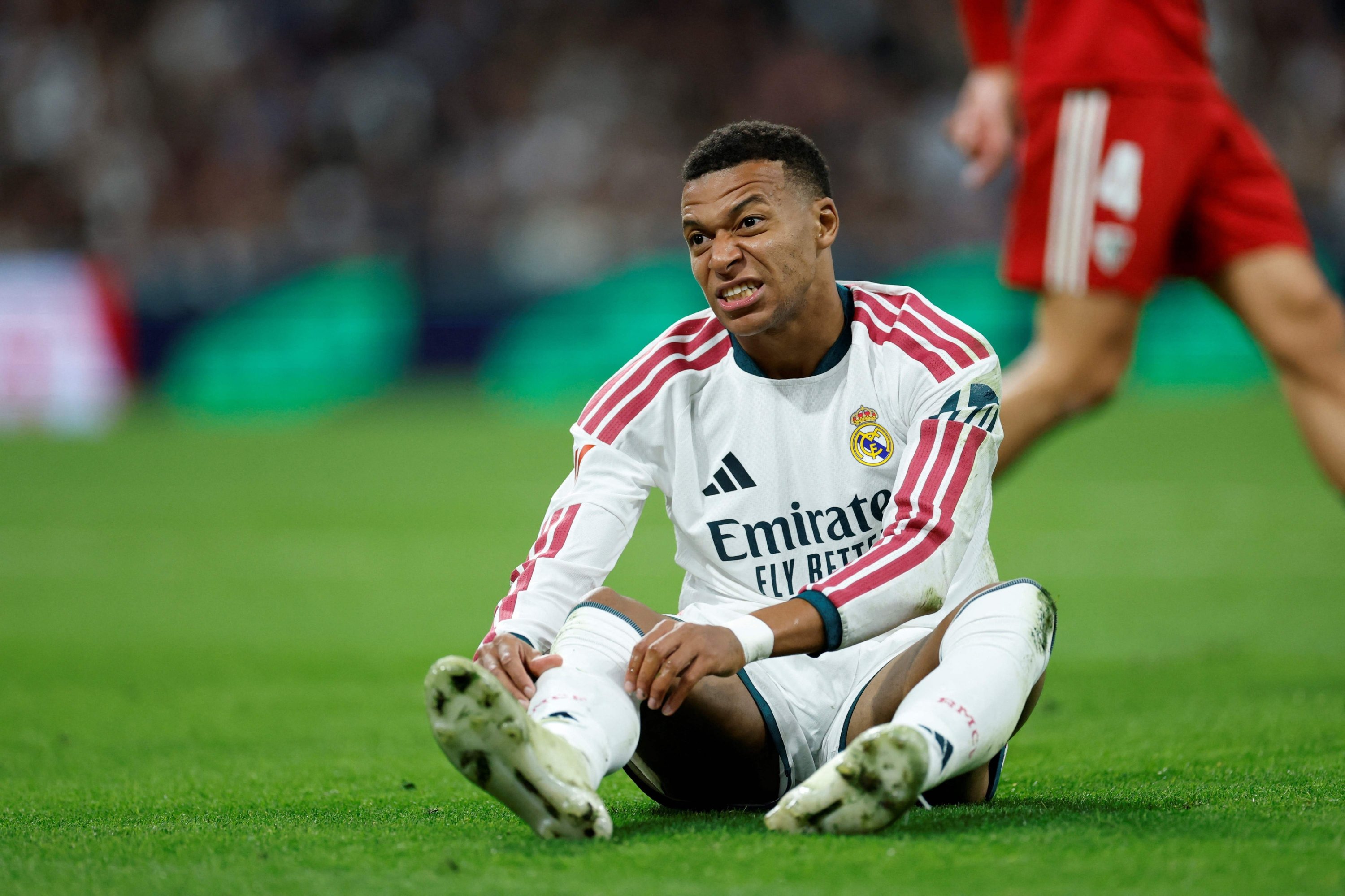
France captain Kylian Mbappe apologized to China on Tuesday after comments about former Chinese leader Mao Zedong sparked a backlash that prompted companies to sever commercial ties with the Real Madrid forward and Chinese state television to suspend broadcasts of Spanish league matches.
The controversy highlights the risks global sports stars face in China, a lucrative market where political sensitivities can quickly turn a seemingly casual remark into a commercial crisis.
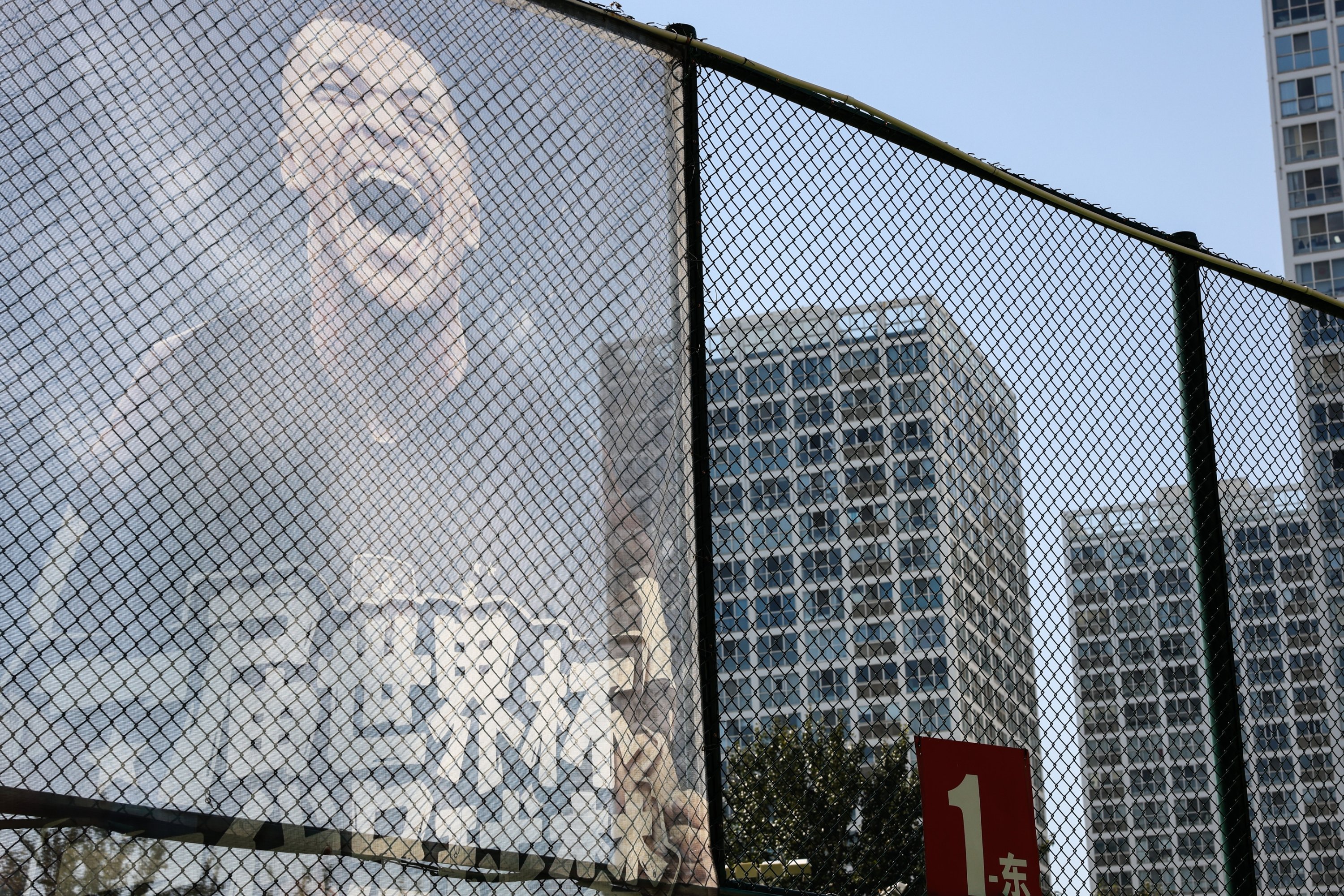
In a video from a French podcast that was later taken down, Mbappe discussed a meme featuring his face superimposed on that of a man he described as a Chinese dictator. He was referring to Mao, who founded the People’s Republic of China in 1949 and ruled until his death in 1976.
“During a recent interview, I reacted to an image of myself,” Mbappe said in a statement. “My comment was ill-judged, and I now understand that it hurt many people in China and in Chinese communities around the world.”
“I apologize to everyone my words have upset,” he added, stressing that causing offense had not been his intention.
The apology followed mounting criticism on Chinese social media and reports that several companies had ended their partnerships with the footballer. State-backed media also reported that China Central Television had halted broadcasts of matches and events involving Mbappe and Spain’s La Liga, the country’s top football division.
The fallout placed Mbappe’s commercial relationships under scrutiny and prompted football officials and corporate partners to respond.
Brands cut ties as backlash spreads
Chinese companies Mengniu, Shanghai Milkground Food Tech and Eastroc Beverage announced that they were ending their cooperation with Mbappe, effective immediately.
The companies said they had “zero tolerance for any words or actions that hurt the feelings of the Chinese people.”
The Paper, a state-backed Chinese media outlet, reported Tuesday that CCTV had suspended broadcasts of all matches and events involving La Liga and Mbappe. Advertisements featuring the forward had also been removed, according to the report.
Terrence Burns, a sports sponsorship expert and CEO of the T. Burns Sports Group, said the episode underscored the importance of understanding the markets in which athletes operate.
“Mbappe’s team knew, or should have known, what the true cost of Chinese brand endorsements was all about,” Burns said.
Swiss sportswear company On Holding, which signed Mbappe in September after his two-decade association with Nike, welcomed the apology and said it had “deep respect” for China.
Hotel group Accor did not immediately respond to requests for comment. Denmark’s Lego also declined to comment, although a building set featuring Mbappe remained listed on the company’s Chinese website Tuesday.
The dispute has revived questions about the vulnerability of international sports sponsorships to political and cultural controversies in China, where consumer boycotts and online campaigns have previously damaged major foreign brands.
Fashion house Dolce & Gabbana, Swiss watchmaker Swatch and the U.S. National Basketball Association have all faced backlash in China over separate controversies. Some eventually recovered their standing, while others experienced prolonged damage to their commercial relationships.
Chinese media demand accountability
Chinese state media condemned Mbappe’s remarks and questioned whether his apology would be enough to repair the damage.
China Daily said the comments had angered Chinese fans, threatened the footballer’s lucrative commercial relationships and demonstrated the limits of celebrity influence.
The state-backed Global Times took a similarly critical position, arguing that foreign celebrities could not expect to profit from the Chinese market while offending Chinese consumers.
On Weibo, China’s popular social media platform, one user rejected the apology outright, writing, “Not accepted. Not forgiven!!”
As of 0700 GMT Tuesday, four topics related to Mbappe remained among Weibo’s 10 most popular searches. Some users called for the forward to be blacklisted in China and for his commercial value to be reduced to zero. Their comments received hundreds of likes.
CCTV, however, adopted a more measured tone, saying it would consider Mbappe’s apology while paying closer attention to his subsequent actions.
“We hope La Liga, Real Madrid, and Mbappe himself will genuinely learn a lesson from this, offer a sincere apology, and thoroughly correct their mistakes,” the broadcaster said.
A spokesperson for China’s Foreign Ministry also addressed the controversy, saying remarks and actions that hurt the feelings of the Chinese people would naturally prompt opposition across Chinese society.
On Wednesday, ministry spokesperson Guo Jiakun said Beijing took Mbappe’s apology seriously but offered no further assessment.
“We take seriously the apology that the person has made,” Guo said.
La Liga and Real Madrid respond
La Liga president Javier Tebas apologized on behalf of the Spanish competition on Tuesday, saying the organization deeply regretted the remarks attributed to Mbappe and the offense they had caused in China.
Tebas said he had met with China’s ambassador to Spain to discuss the controversy and explore ways to resolve it.
“Our commitment is to keep working together so that an individual episode does not harm the important advances achieved nor affect the millions of Chinese fans who follow our competitions,” Tebas said in a statement posted on social media.
“China is and will continue to be a strategic partner for La Liga.”
He added that the league was working directly with its Chinese partners to address the situation, arguing that a relationship built over many years should not be damaged by a single incident.
Real Madrid also apologized to China on Wednesday, a day after the controversy erupted.
“Real Madrid C.F. wishes to express its apologies to the Chinese people for any offense caused by the recent remarks of our player Kylian Mbappe,” the club said in a statement.
The club had previously declined to comment on the issue.
A joke that crossed a political line
The controversy also reflects Mbappe’s complicated relationship with the online memes portraying him as a powerful, sometimes authoritarian figure within his teams.
Fans have circulated images placing his face on political and military leaders, suggesting that he wields outsized influence over decisions at the clubs he represents. The forward has been nicknamed “the dictator” in the European press.
Brian Jacobsen, chief economic strategist at Annex Wealth Management, said Mbappe appeared to have underestimated the political sensitivity surrounding the joke.
“In attempting to laugh at himself and his reputation of being a dictator in the locker room, he apparently crossed a red line he didn’t know was there,” Jacobsen said.
In an interview with French sports newspaper L’Equipe last month, Mbappe acknowledged that some of the memes were harmless fun but criticized images depicting him as a dictator, saying they demonstrated “a lack of political and human awareness.”
Mao remains a deeply sensitive figure in China despite the political and economic changes the country has undergone since his death. His role in establishing modern China remains central to the country’s official historical narrative, making public ridicule of him a particularly delicate subject.
DAILYSABAH
هلدینگ کاسپین استانبول | خرید ملک در ترکیه | صرافی معتبر ایرانی در ترکیه | خرید و فروش طلا در ترکیه | مهاجرت به ترکیه | واردات و صادرات در ترکیه | نیازمندیهای ترکیه | اخبار ترکیه | اخبار جهانی | توریست ایران | خدمات توریستی در ایران | تورهای گردشگری ایران | هلدینگ اول | خدمات کاریابی و فریلنسری و شغل | مرجع اطلاعات ایران (همه چیز در ایران) | کیف پول و خدمات مالی و پرداخت یار | اخبار ایران | تابلو زنده قیمت ارز در ترکیه و استانبول | صرافی آنلاین ترکیه | قیمت طلا و نقره در ترکیه | سرمایه گذاری در ترکیه | جواهرات در ترکیه | نرخ لحظه ای ارزها در استانبول | قیمت دلار امروز در ترکیه | قیمت دلار استانبول امروز | قیمت لحظه ای دلار | اخبار روز ترکیه استانبول | اپلیکیشن ISTEX | اپلیکیشن قیمت لحظه ای دلار و یورو و لیر و ارزها در ترکیه
About the Author