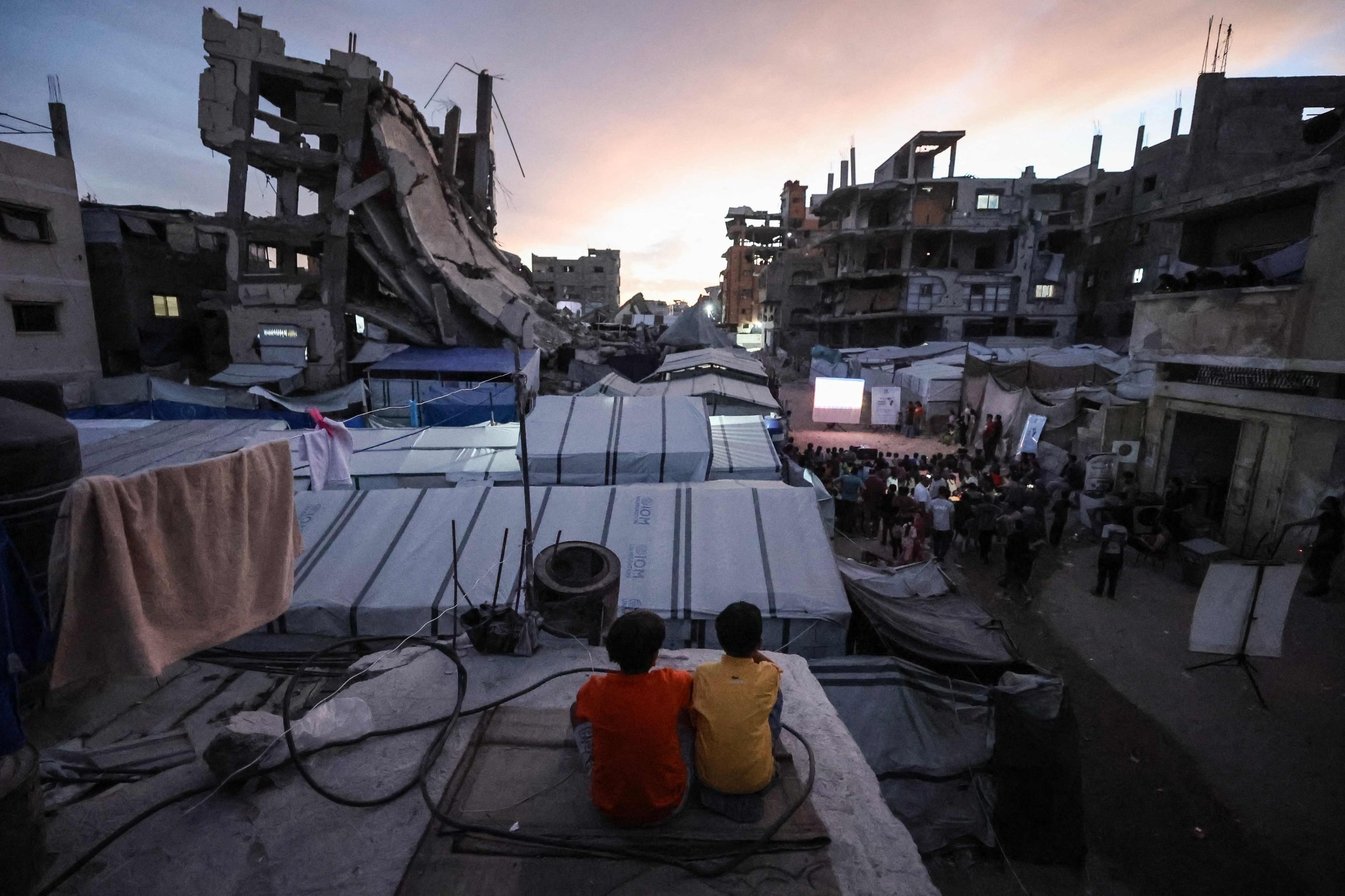
Gaza’s Civil Defense warned Thursday that heavy rain and strong winds expected this weekend could threaten hundreds of thousands of displaced Palestinians living in tents, makeshift shelters and buildings damaged by Israeli bombardment, as the enclave faces another winter with inadequate protection from the elements.
Nearly 950,000 displaced Palestinians are living in areas exposed to moderate or high flood risks, including more than 400,000 in locations classified as highly vulnerable, according to the U.N. Office for the Coordination of Humanitarian Affairs (OCHA).
Around 44,000 others are sheltering in more than 2,300 structurally unsafe buildings that could partially collapse under severe weather conditions.
In a statement, the Palestinian Civil Defense Directorate urged residents to take immediate precautions ahead of the approaching weather system, warning that heavy rainfall and strong winds could overwhelm already fragile shelters and worsen the dangers facing families displaced by more than three years of conflict.
The agency advised families living in tents to secure plastic coverings and tent pegs, build earthen barriers around their shelters, dig drainage channels to divert rainwater and raise personal belongings above ground level.
It also warned residents against staying in buildings with structural damage or pitching tents nearby, urging them to relocate to safer areas wherever possible.
The directorate called on humanitarian organizations and community groups to urgently provide alternative shelter and strengthen protection for displaced families ahead of the expected rainfall.
The warning comes as Gaza’s shelter crisis continues to deepen following widespread destruction of residential neighborhoods during Israel’s military offensive, which began in October 2023 and forced much of the population from their homes.
According to figures released by Gaza’s government media office in August 2026, more than 2.15 million displaced Palestinians are living across the enclave.
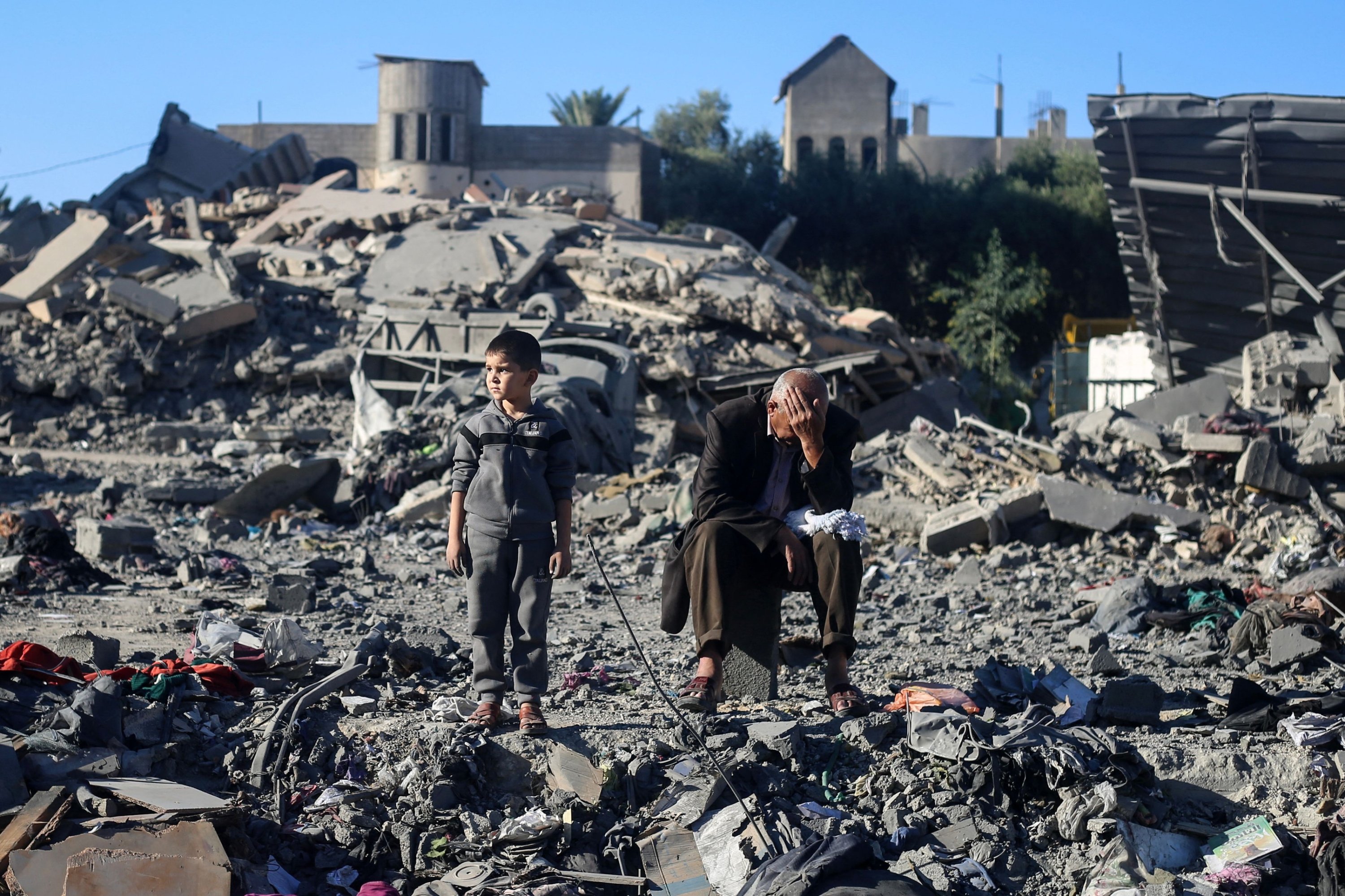
Approximately 867,000 are staying in deteriorating tents, while more than 1 million are sheltering in designated centers.
OCHA has also reported that 294,250 families require shelter assistance ahead of the rainy season, highlighting the enormous scale of the challenge facing humanitarian agencies.
Winter risks
Conditions in displacement sites remain particularly precarious, with many families occupying tents that have deteriorated after months of continuous exposure to harsh weather.
The Shelter Cluster, led by the Norwegian Refugee Council, estimates that approximately 1.98 million people, representing about 94% of Gaza’s population, need shelter and nonfood assistance. Around 58% face critical or catastrophic shelter needs.
Many tents have been in use for more than a year, with substantial deterioration affecting their floors, walls and supporting frames. Local authorities have also reported that more than 60% of tents require immediate replacement.
Reports from Gaza’s Winter Emergency Committee indicate that approximately 200,000 worn-out tents are sheltering hundreds of thousands of people. Around 7,800 tents are situated in particularly hazardous locations, including dry riverbeds, rainwater collection ponds and exposed coastal areas.
The approaching rainfall poses several overlapping threats. Floodwater could inundate tents and temporary shelters, while strong winds could tear apart coverings or blow away structures that are already weakened.
Low-lying displacement sites are especially vulnerable to flash flooding because of damaged drainage networks and shortages of equipment needed to remove accumulated rainwater.
Previous winters have already damaged tens of thousands of tents, forcing families to relocate repeatedly and exposing them to cold and damp conditions. Children, older people and people with disabilities face particularly serious risks from prolonged exposure.
Complicated response
Gaza’s ability to respond to severe weather has also been severely weakened by the destruction of essential municipal and emergency equipment.
Approximately 70% of municipalities’ primary operational equipment and 90% of Civil Defense rescue equipment have been destroyed, leaving emergency responders with limited capacity to manage flooding, evacuate families and assist people trapped in damaged structures.
Available resources include only a handful of aging vacuum tanker trucks and a limited number of portable water pumps, making it difficult to clear drainage systems and respond quickly when heavy rainfall overwhelms vulnerable areas.
Humanitarian organizations have been assessing high-risk displacement sites, installing sandbags, clearing drainage channels and helping families elevate their shelters. Some agencies have also facilitated voluntary relocation from particularly dangerous locations.
However, finding alternative accommodation remains difficult because of overcrowding, restricted access to parts of the enclave and a severe shortage of suitable land free from explosive ordnance and other hazards.
The situation is further complicated by Israeli restrictions on the entry of shelter materials, construction equipment and other supplies needed to repair damaged infrastructure and improve living conditions.
Despite a cease-fire agreement that took effect on Oct. 10, 2025, restrictions on essential materials continue to hamper efforts to rehabilitate damaged buildings and provide more durable shelter for displaced families.
Humanitarian partners say available stocks of tents, tarpaulins and other winter supplies remain far below requirements. Current supplies are estimated to cover only about 18% of families identified as needing winter shelter assistance.
The delivery of essential materials has also faced delays, with restrictions on trucks carrying items classified as dual-use goods, as well as limitations on offloading, creating bottlenecks in humanitarian operations.
Funding shortages have further weakened the winter response, leaving humanitarian agencies struggling to meet the needs of hundreds of thousands of families.
DAILYSABAH wp:paragraph
About the Author