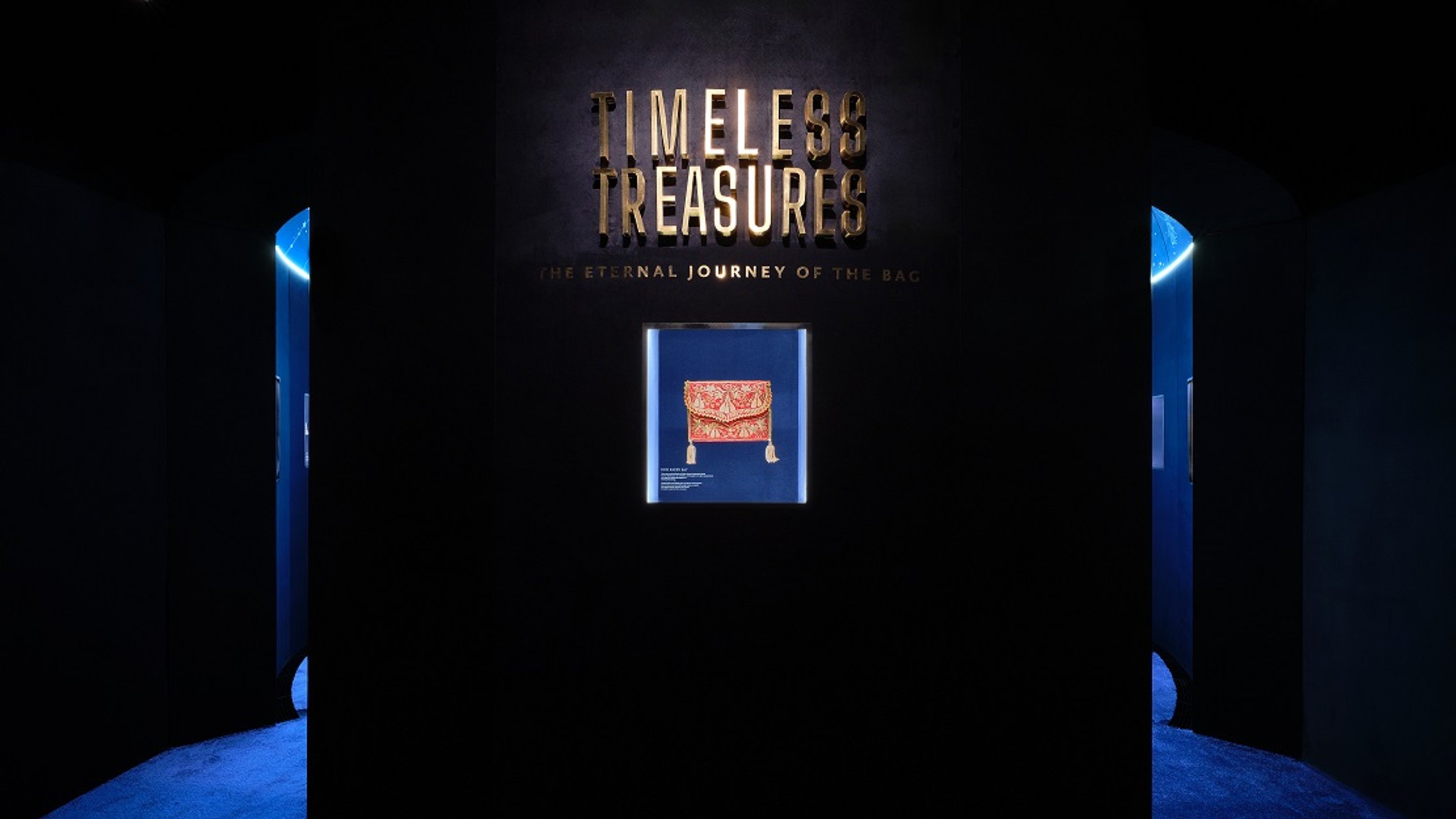
For a designer, craftsmanship is more than a collection of techniques passed down through generations. It is also a powerful design language that tells the story of who we are, where we come from and how we see the world. For 15 years, I have championed craftsmanship and quality workmanship through my own brand. Since its inception, I have deliberately stayed away from fast fashion. Rather than reserving traditional craftsmanship for couture, I have sought to bring it into everyday life, making it part of contemporary urban style.
Today, craftsmanship and handmade techniques are once again taking center stage in the global luxury industry. But the desire to reinterpret cultural heritage through a contemporary lens has always meant much more to me than following a passing trend. It stems from our responsibility to pass on our profession, technical expertise and design heritage to future generations. This is precisely why Beymen’s “Timeless Treasures – The Eternal Journey of the Bag” project, presented at Tersane Istanbul, resonates so strongly with my own design philosophy.
More than accessory
Beymen has spent more than two years working with academics and experts on this project. Through 80 bag designs by 55 global brands that shape the world of luxury, the exhibition tells the story of Anatolia’s rich craftsmanship traditions. Drawing inspiration from this layered heritage, the participating brands and fashion houses created bags that reflect their own design identities. While some produced entirely new pieces for the exhibition, others brought selections from their archives. The result is not a direct reproduction of the past, but a contemporary interpretation of the centuries-old design dialogue between East and West.
Today, a bag is much more than an accessory. With its craftsmanship, materials, form and story, it can hold the same value as a piece of fine jewelry. For women, a bag is far more than a functional object for carrying personal belongings. It reflects who we are, how we live and, at times, how we wish to present ourselves. Just as a diamond is shaped through meticulous craftsmanship, every stitch, contour and surface of a well-designed bag contributes to its value.
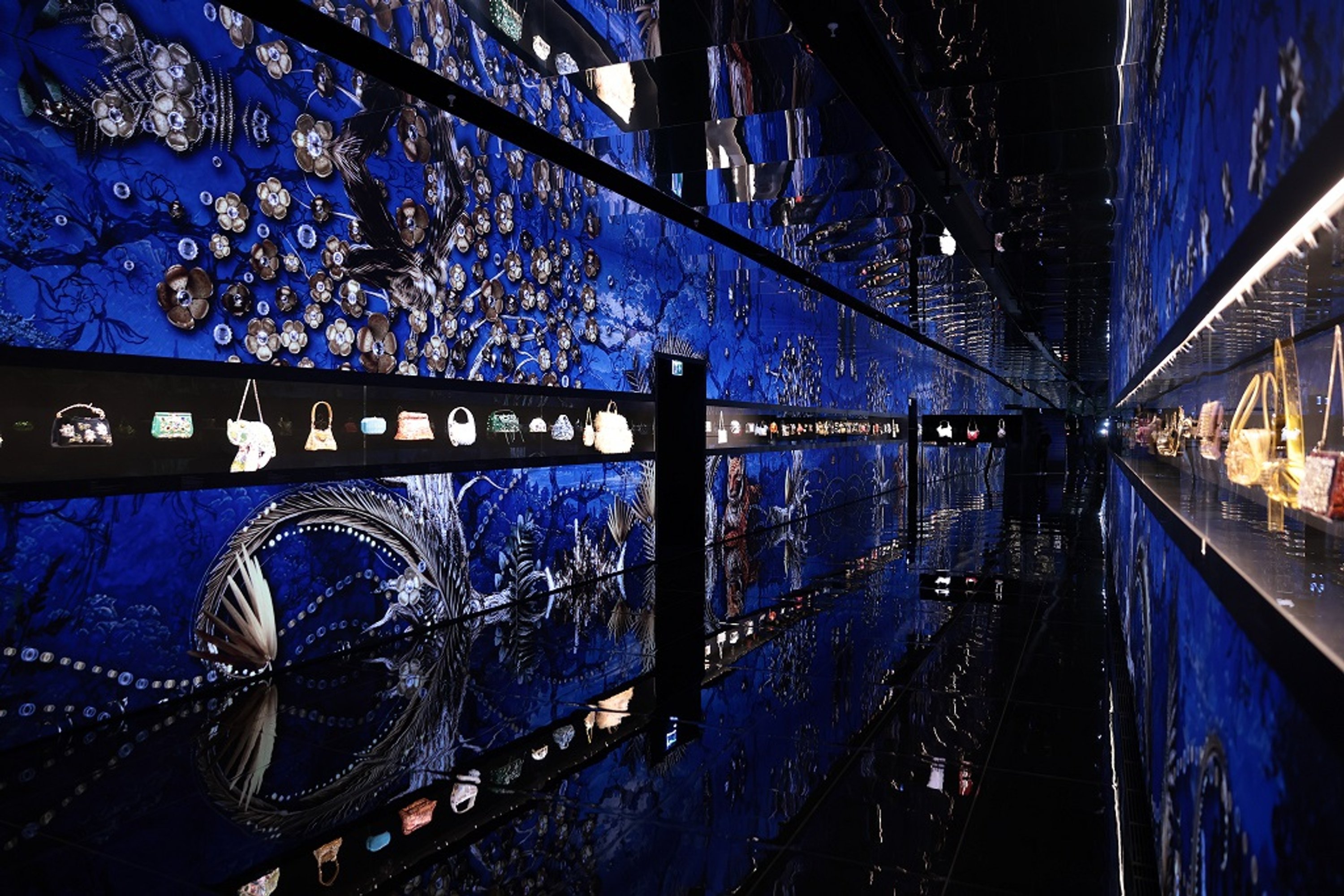
A bag is also an ideal medium for telling the story of cultural heritage. Its evolution, from pouches and saddlebags to chests, travel trunks and today’s everyday handbags, reflects both human needs and imagination. And it is not just the shape of the bag that has changed over time. The aesthetic sensibilities, technical knowledge, economic structures and lifestyles of different societies are all reflected in its design.
Creations specially designed or selected from the archives of Tom Ford, Versace, Schiaparelli, Saint Laurent, Dolce&Gabbana, Dior, Louis Vuitton, Maison Valentino, Christian Louboutin, Gianni, Givenchy, Isabel Marant, Jimmy Choo, Marni, Santoni, Aquazzura, The Attico, Yves Saint Laurent, Chloé, Etro, Lanvin, Jil Sander, Brunello Cucinelli, Dice Kayek, Acne Studios, Amina Muaddi and many others have come together under one roof. Seeing so many different brands and fashion houses unite around a single cultural narrative is remarkable. It also shows that Istanbul is not merely a city where luxury is consumed, but a creative hub capable of contributing to the cultural language of luxury itself.
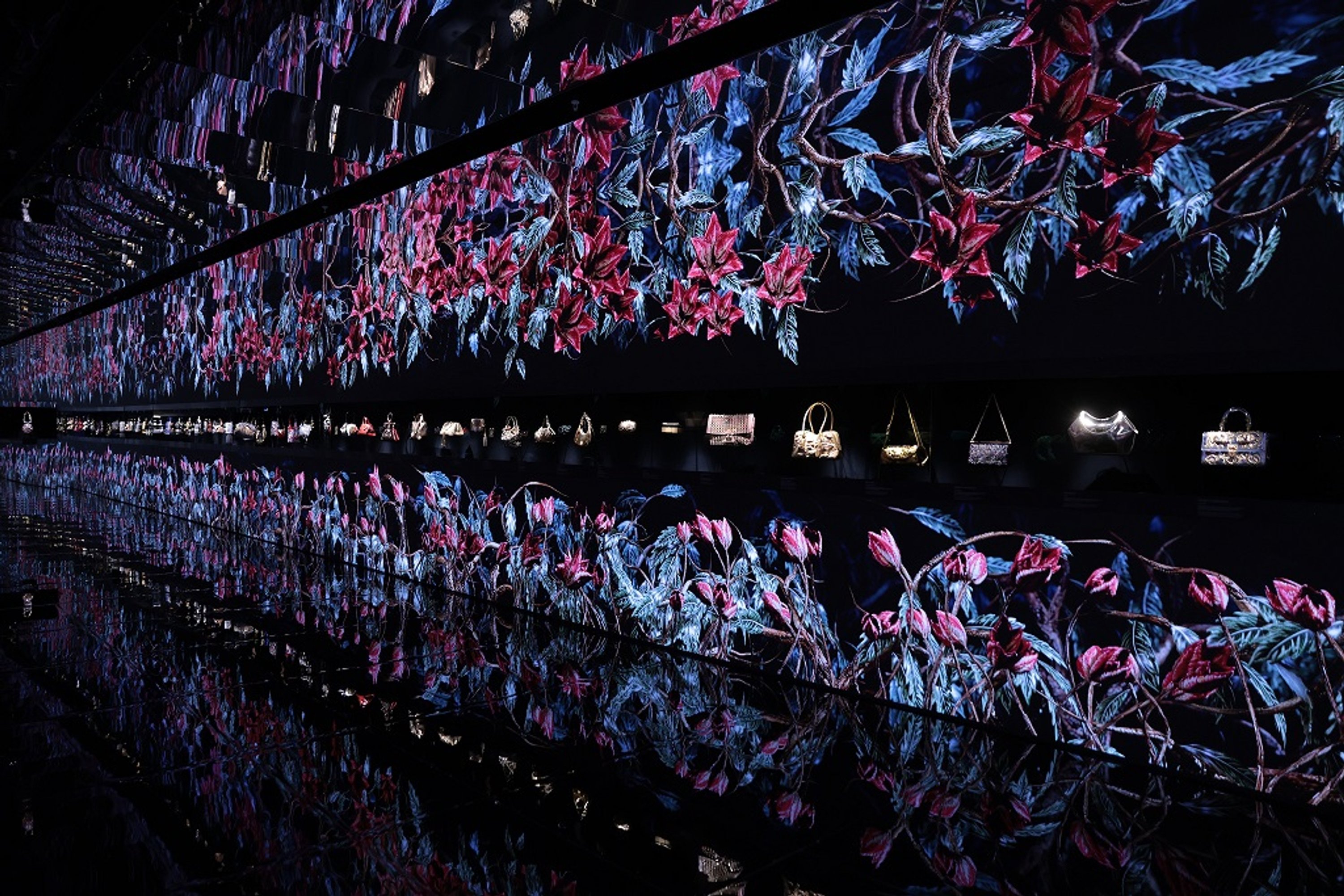
Projects that engage with cultural heritage always carry a certain responsibility. Simply placing Iznik motifs on a bag or incorporating traditional embroidery does not necessarily amount to a contemporary interpretation of culture. The real challenge lies in rethinking the knowledge, materials and symbols of traditional craftsmanship through the design language of today. This is precisely where “Timeless Treasures” succeeds. Rather than treating heritage as a static memory to be preserved, the exhibition presents it as a living source of inspiration, open to reinterpretation. The colors of Iznik tiles, Anatolia’s weaving traditions, the flora of Ottoman palace gardens, goldwork, pouches, saddlebags and chests are all brought to life through the distinctive design identities of different brands.
The exhibition’s curator, fashion writer Laurence Benaïm, has also succeeded in bringing this cultural encounter together in a remarkably balanced narrative. I found the presentation just as impressive as the pieces themselves. The grandeur of luxury and the authenticity of traditional craftsmanship coexist in the same space without overshadowing one another. The bags have been illuminated almost like precious jewels, their designs catching the light like gemstones emerging from the darkness.
7 chapters, 1 memory
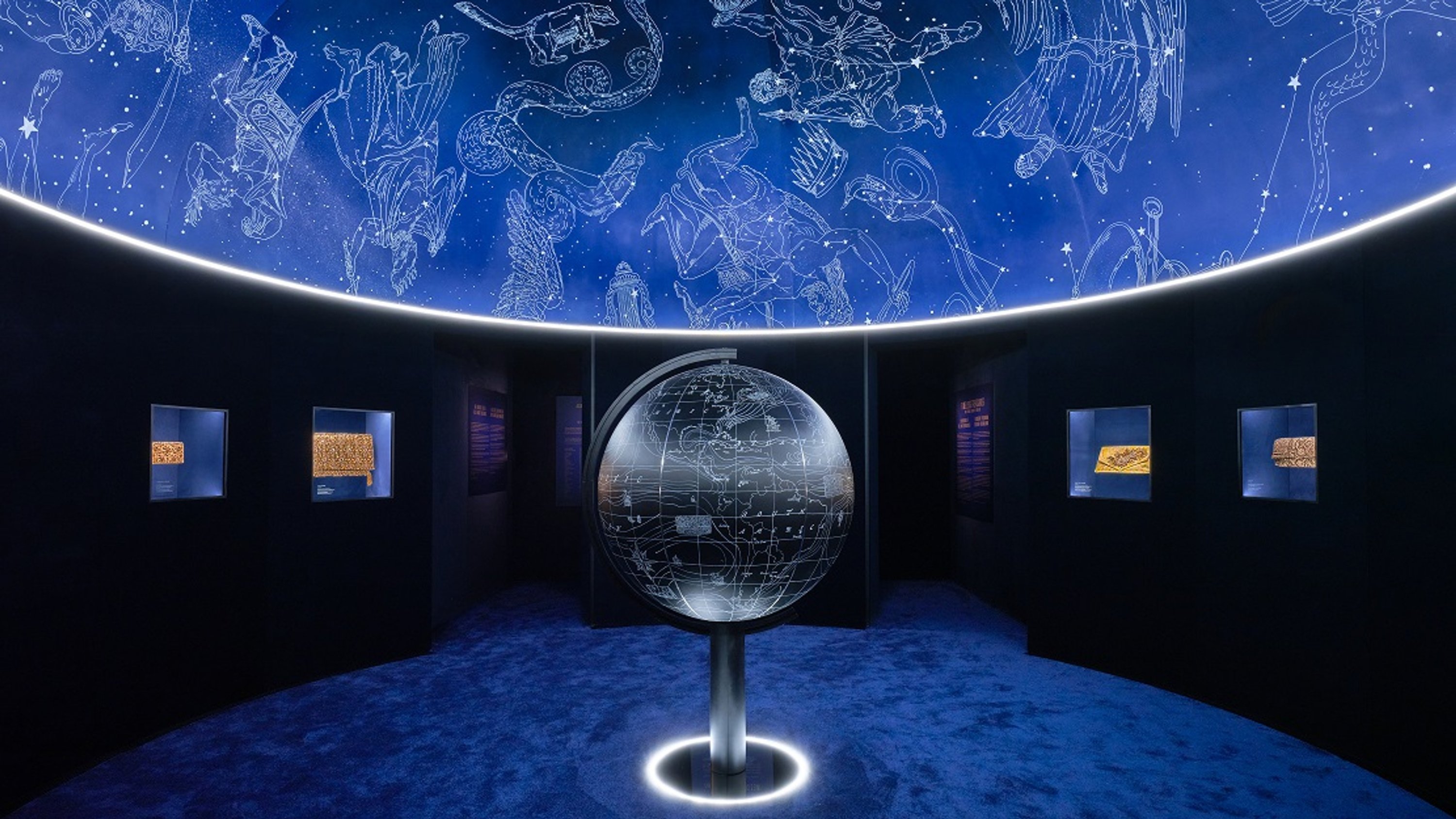
The Timeless Treasures exhibition, housed in Gallery 8 – The Space at Beymen Tersane – Galleries of Luxury, traces the cultural and historical journey of the bag through seven distinct sections.
“Precious Envelopes” explores modern interpretations of historic pouches once used to carry letters, imperial decrees and secrets, while “Heavenly Gardens” draws inspiration from the flora and fauna motifs found in Iznik tiles and Ottoman palace gardens. “Golden Jewels” reflects on gold as a symbol of power, radiance and divine authority through jewel-like bag designs, while “Magical Boxes” revisits the forms of boxes and chests, once used to safeguard privacy and hidden treasures. “Nomad Memories” brings together weaving, leatherwork and saddlebags traditions stretching from Central Asia to Anatolia in a contemporary, bohemian interpretation. Meanwhile, “Heritage Reimagined” showcases original creations by emerging designers who offer their own perspectives on cultural heritage, carrying it into the future. The journey concludes with “Paris – Istanbul,” represented by a special trunk symbolizing the deep connection between two world capitals.
Ultimately, these seven chapters come together around a single idea: A bag carries more than belongings. It carries secrets, journeys, identities and cultural memory.
Time stood still
At the end of the exhibition’s illuminated corridor, I came across a remarkable Louis Vuitton travel trunk. Crafted by hand in 1886 at the brand’s Asnières workshop near Paris for Sultan Abdülhamid II, the vertically striped trunk features drawers and was brought to Istanbul from the Louis Vuitton archives in Paris especially for the exhibition.
Standing before it, I realized I was looking at much more than a historic travel trunk. Before me was a design object that embodied the craftsmanship of its era, Europe’s passion for meticulous workmanship and the cultural exchange between Istanbul and Paris. The fact that a piece made in 1886 can still captivate us today through its materials, creativity and attention to detail is one of the finest examples of how good design can stand the test of time.
Trends come and go, and needs evolve, but quality craftsmanship never loses its value. Perhaps this is where true luxury begins: when an object belongs not only to the era in which it was purchased, but also to the generations that follow.
Heritage in new hands
Three other designs caught my attention in the exhibition space, displayed alongside creations by some of the world’s leading fashion houses. These were the winning entries of the Beymen Young Talents Design Competition, organized to encourage emerging designers to reinterpret cultural heritage through their own perspectives. Selected from 12 project teams representing leading universities across Türkiye, the three designs were brought to life with production support from Beymen.
Inspired by the aesthetic world of the Tulip Era, “Tulip Elegance”; “Dilruba,” which reimagines Ottoman coffee culture and hospitality; and “Hatır-ı Zer,” which brings together palace arts and traditional goldwork, are all presented in the same exhibition space as creations by some of the world’s most prestigious fashion houses.
Seeing young designers’ work share the same narrative with global names such as Dior, Schiaparelli, Louis Vuitton and Valentino is more than a symbolic gesture. Taking their ideas beyond the conceptual stage and turning them into tangible creations, while giving them a platform that can offer international visibility, is one of the most meaningful ways to pass cultural heritage on to future generations.
After all, heritage survives not simply by preserving what was created in the past, but by allowing new generations to engage with it and reinterpret it in the language of their own time.
Story Istanbul carries
“Timeless Treasures” invites us to look beyond the bag as a fashion accessory and reconsider it through the lenses of culture, memory, identity and craftsmanship. For me, this is the exhibition’s greatest achievement: Rather than presenting Anatolia’s cultural heritage as a nostalgic backdrop, it brings it to life as a dynamic source of inspiration capable of engaging with the global design world.
Walking through the exhibition at Tersane Istanbul, a place steeped in centuries of history, I was reminded of something: Cultural heritage is not a burden left behind by the past, but one of the most precious treasures we choose to carry into the future.
A well-designed bag is not simply something we carry in our hands or over our shoulders; it also carries a culture’s determination to endure. Perhaps it is time we began measuring luxury not only by the value of the materials it uses, but also by the richness of the memory it holds.
DAILYSABAH wp:paragraph
About the Author