Europe’s economy is confronting its structural problems more directly following a series of global shocks in recent years. Supply chain disruptions in the aftermath of the pandemic, the effects of the ongoing Russia-Ukraine war and war in the Middle East on energy markets, high inflation and shifting dynamics in global trade have narrowed Europe’s economic policy space. These challenges have raised concerns over public debt sustainability and uncertainty surrounding political decision-making. France’s widening budget deficit, Italy’s high public debt, and an early election in Spain have added to concerns about Europe’s economic outlook.
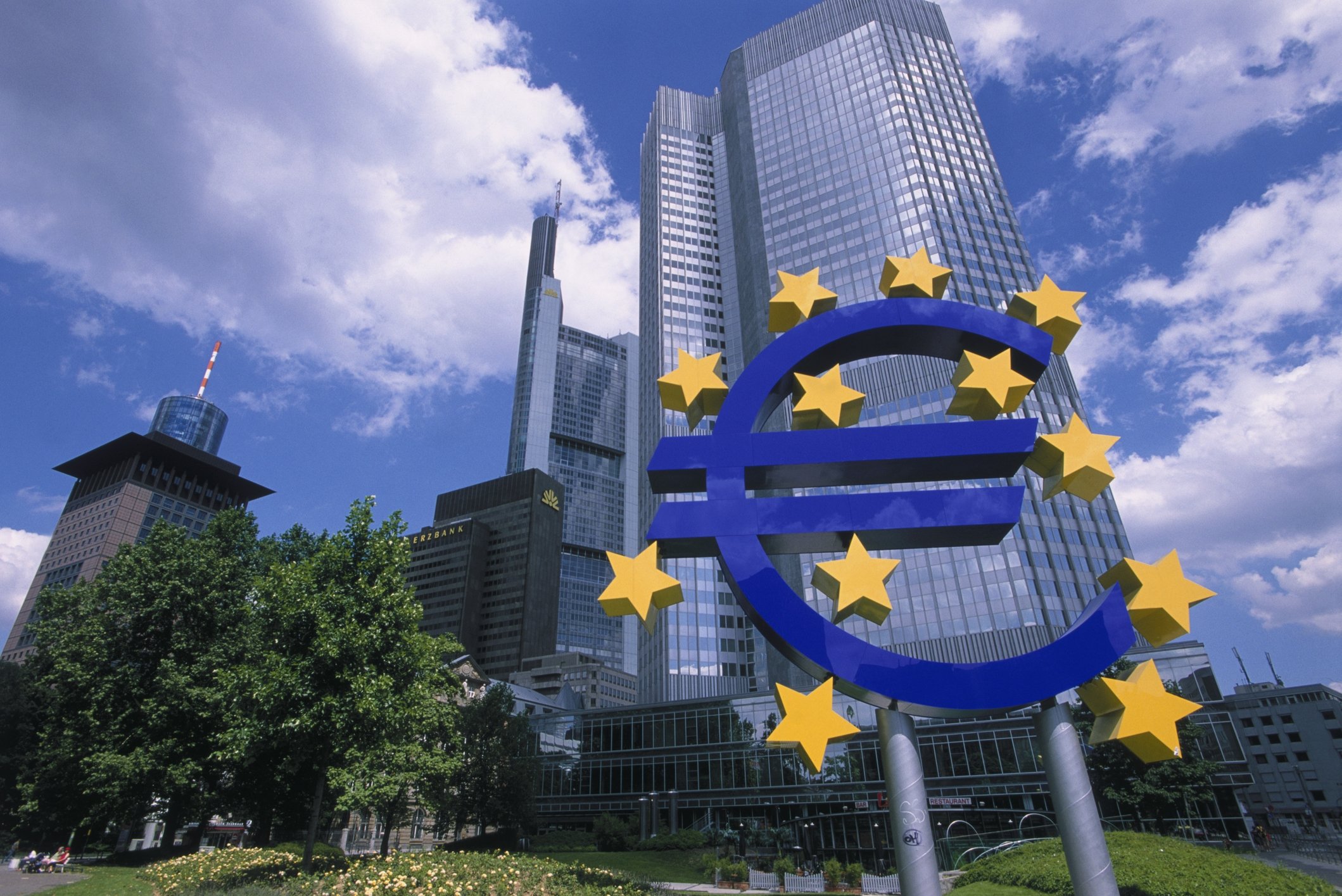
The euro’s decline to around $1.12, moving further away from its peak at the beginning of the year, is one financial market reflection of this broader picture. The euro’s depreciation cannot be explained solely by the strength of the U.S. dollar in international markets. Concerns about Europe’s growth potential, public finances, and political stability are also putting pressure on the common currency. Moreover, Europe’s challenges are consistent with a broader pattern of fiscal vulnerability emerging across the global economy.
As highlighted in the International Monetary Fund’s (IMF) Oct.13, 2026, World Economic Outlook, the global economy has continued to grow despite successive shocks, but the limits of its resilience are being tested. The IMF projects global growth of 3.1% in 2026 and 3.4% in 2027. Meanwhile, global headline inflation is expected to rise to 4.7% in 2026, partly reflecting higher energy and other commodity prices, before declining to 4.1% in 2027. These projections indicate that global economic activity has remained relatively resilient, although significant risks persist. However, the IMF’s forecasts for the European Region paint a rather gloomy picture.
France at center
France’s public finances lie at the center of Europe’s current vulnerabilities. With the budget deficit above 5% of gross domestic product and public debt approaching 120% of gross domestic product (GDP), restoring fiscal balance has become a major challenge. The country’s continued breach of the European Union’s 3% budget deficit reference value has also reignited debate over the credibility and enforceability of European fiscal rules. The problem extends beyond the size of the debt stock itself. Public debt sustainability depends on the relationship between economic growth and borrowing costs. As interest payments account for a growing share of government expenditure, pressure intensifies on public investment and spending that supports economic growth.
The rise in French long-term government bond yields and the widening yield spread between France and Germany indicate that investors are pricing French fiscal risks more cautiously. In early October, the spread climbed to around 150 basis points, its highest level since the euro area debt crisis, and it remains above 130 basis points. This is a broader challenge for Europe. While economic conditions vary across countries, simultaneous concerns about fiscal discipline and political stability in major European economies are raising questions about the effectiveness of Europe’s shared economic governance framework.
Debt is narrowing
Developments in Europe directly reflect the broader risks identified by the IMF in its assessment of the global economy. Support measures introduced to protect economic activity during the pandemic, interventions in response to rising energy prices, and other extraordinary expenditures increased public debt in many countries. These policies were important in limiting the economic and social costs of successive crises. However, the combination of high debt stocks and rising interest costs is constraining governments’ capacity to respond to future shocks.
In its October 2026 assessment, the IMF highlights the risks arising from the interaction between higher borrowing costs and elevated public debt, particularly in major advanced economies. This issue is especially significant for Europe. A sustained increase in financing costs in a major economy such as France could intensify pressure on the national budget while also affecting borrowing conditions elsewhere in the region and influencing investors’ perceptions of risk.
The concept of fiscal space is central to this discussion. Fiscal space refers to a government’s ability to finance its economic and social priorities without jeopardizing public debt sustainability. When fiscal space narrows, governments have less room to maneuver in the event of another energy shock, financial market disruption, or economic downturn. The availability of fiscal space is therefore also an important consideration when addressing Europe’s social challenges.
Another factor contributing to Europe’s economic vulnerability is energy security. Tensions in the Middle East and uncertainty in global energy markets are creating cost pressures for European economies that depend on energy imports. Rising oil and natural gas prices can increase industrial production costs and erode household purchasing power. They also raise the risk of renewed inflationary pressures.
Dilemma of central banks
Fiscal risks and uncertainty surrounding energy prices are making policy decisions more difficult, particularly for the European Central Bank (ECB). On one side, inflation could accelerate again through higher energy and other commodity prices. On the other hand, high interest rates could increase borrowing costs, discourage investment, and make public debt more expensive to finance.
Raising interest rates may help contain inflation expectations, but it can also slow economic activity. Interest rate cuts, meanwhile, could support growth but make the fight against inflation more difficult if price pressures become persistent. Diverging interest rate expectations between Europe and the United States are also among the factors influencing the euro-dollar exchange rate. The IMF here emphasizes that central banks must continue to prioritize price stability while highlighting the importance of coordination between monetary and fiscal policy. In this context, the economic policy frameworks discussed by this year’s Nobel Prize in Economics laureates, Hall and Woodford, are also worth considering in relation to the design of economic policy.
The IMF’s call to move from adapting to existing shocks toward rebuilding resilience is particularly relevant to Europe. European economies have managed various shocks in recent years, but this does not guarantee that they will be equally successful in the future. Economic resilience requires more than providing support during crises. Achieving this transformation through national policies alone will be difficult. Technological change is another important component of the process. Although artificial intelligence investment is contributing to global growth, the concentration of its benefits among a limited number of companies and countries is creating new risks. The entire globe needs to complement technology investment with policies that strengthen digital skills, research and development, and private-sector productivity. This would help ensure technology-driven growth.
Ultimately, the euro’s weakness reflects the convergence of Europe’s domestic economic challenges with broader vulnerabilities in the global economy. This does not mean that another European debt crisis is inevitable. It does, however, underline the importance of preserving policy space and addressing structural problems without delay. Developments in Europe, Türkiye’s most important trading partner, will also be highly consequential for the outlook of the Turkish economy.
The views and opinions expressed in this article are solely those of the author. They do not necessarily reflect the editorial stance, values or position of Daily Sabah. The newspaper provides space for diverse perspectives as part of its commitment to open and informed public discussion.
DAILYSABAH
هلدینگ کاسپین استانبول | خرید ملک در ترکیه | صرافی معتبر ایرانی در ترکیه | خرید و فروش طلا در ترکیه | مهاجرت به ترکیه | واردات و صادرات در ترکیه | نیازمندیهای ترکیه | اخبار ترکیه | اخبار جهانی | توریست ایران | خدمات توریستی در ایران | تورهای گردشگری ایران | هلدینگ اول | خدمات کاریابی و فریلنسری و شغل | مرجع اطلاعات ایران (همه چیز در ایران) | کیف پول و خدمات مالی و پرداخت یار | اخبار ایران | تابلو زنده قیمت ارز در ترکیه و استانبول | صرافی آنلاین ترکیه | قیمت طلا و نقره در ترکیه | سرمایه گذاری در ترکیه | جواهرات در ترکیه | نرخ لحظه ای ارزها در استانبول | قیمت دلار امروز در ترکیه | قیمت دلار استانبول امروز | قیمت لحظه ای دلار | اخبار روز ترکیه استانبول | اپلیکیشن ISTEX | اپلیکیشن قیمت لحظه ای دلار و یورو و لیر و ارزها در ترکیه
About the Author