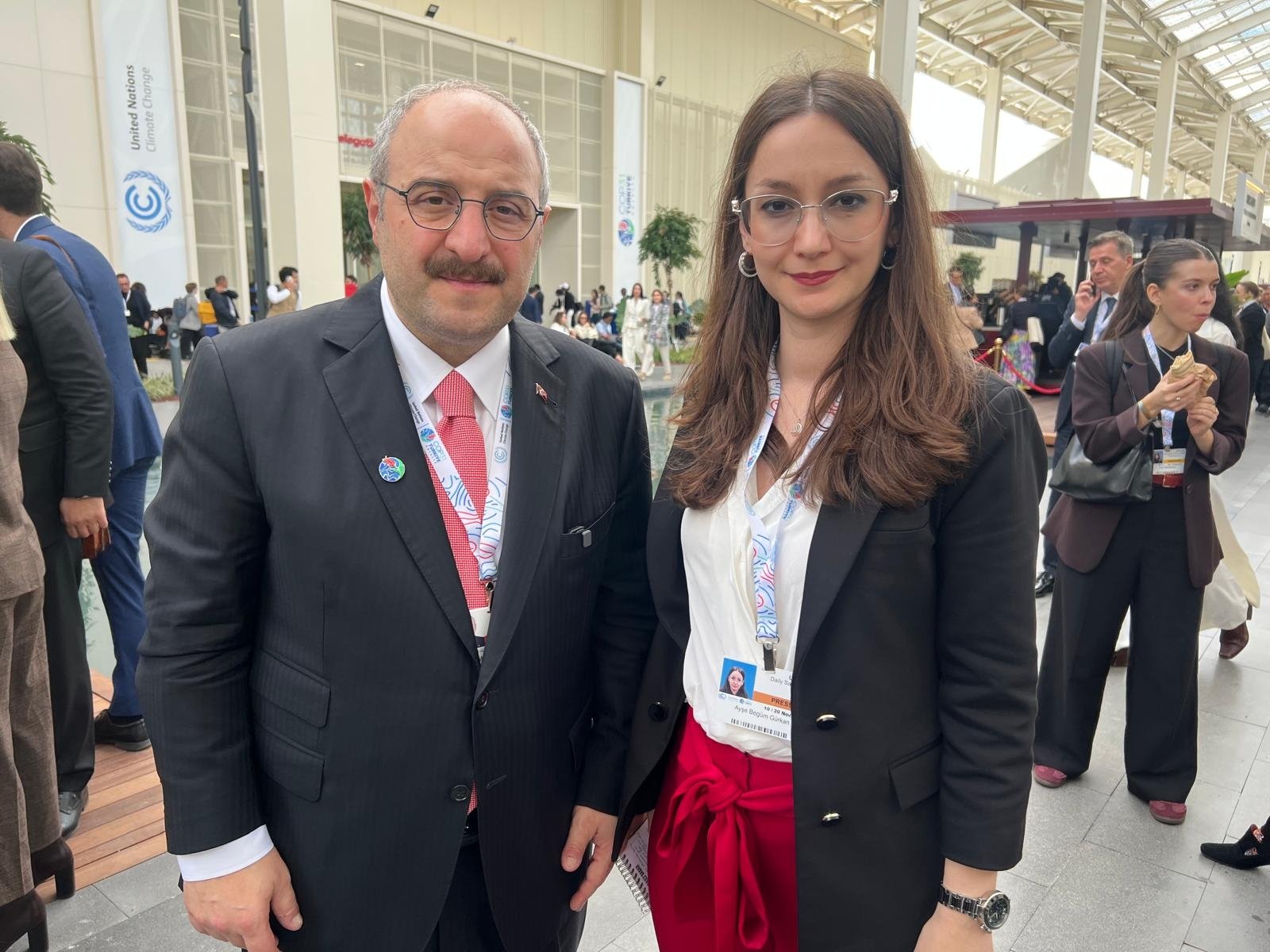
Türkiye’s development and its ability to meet global energy targets depend on simultaneous progress across multiple sectors, including industry, manufacturing and transportation, said Mustafa Varank, Türkiye’s former industry and technology minister and a ruling Justice and Development Party (AK Party) lawmaker.
Speaking to Daily Sabah on Wednesday on the sidelines of COP31 in Antalya, Varank said, “We really needed to design this from scratch.”
“If you prioritize electric vehicles, you’ll reduce your reliance on fossil fuels. By reducing your reliance on fossil fuels, you’ll also reduce your imports,” he explained, adding that another key priority for Türkiye in energy consumption is improving efficiency.
“Urban planning can play a very important role,” said Varank, who chairs the energy and industry committee in the Turkish Parliament. “If you can make your cities more sustainable, for example, by properly insulating homes to keep them warm, you’ll reduce your energy needs,” he said.
There are various other areas, from infrastructure to digitalization, where improvements could help reduce energy consumption, Varank added.
However, securing the necessary funding for these investments remains one of the biggest challenges, he said, noting that financing is also crucial to turning climate commitments into action.
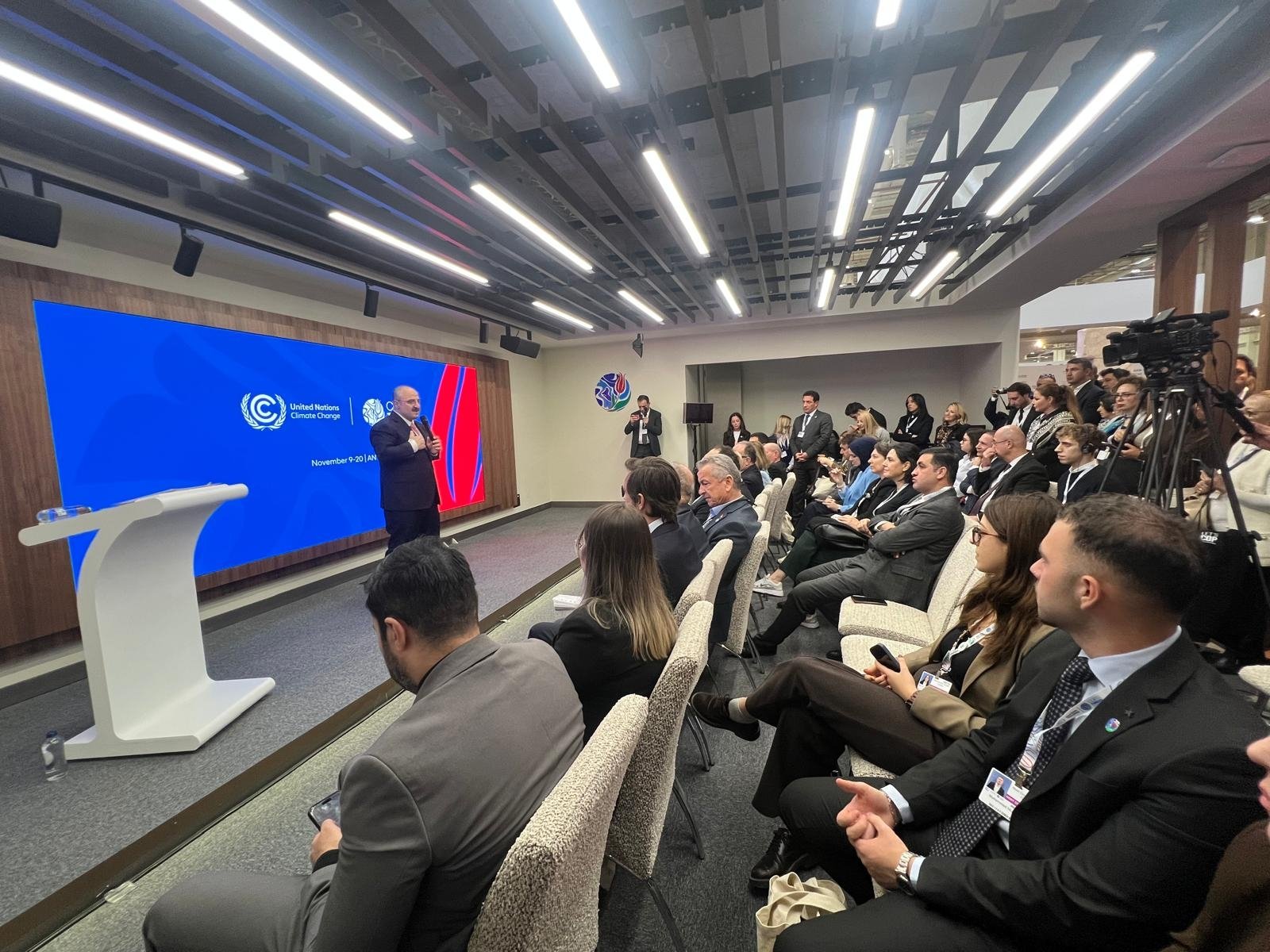
Speaking during a panel at the United Nations climate summit, he stressed the need for international financial support and cooperation to help countries advance their energy transitions and meet global climate targets.
Citing Türkiye as an example, he said the country’s 2040 energy strategy requires $500 billion in investments.
Varank said that it is not possible for Türkiye and many other countries to meet these financial needs with their own resources alone. “This is where COP31 will open the door to funding opportunities and international partnerships,” he said.
“By hosting COP31 here in Türkiye, we can see just how much awareness we’ve raised in this regard and how we’ve contributed by bringing the world together here,” he noted.
Türkiye is hosting representatives from 196 countries at COP31, with more than 100 world leaders attending the summit. The country has mobilized 58,000 personnel across Antalya and surrounding provinces to ensure security during the U.N. climate summit, which is expected to draw more than 90,000 participants.
The former minister attributed Türkiye’s efforts to the strong political will of the Justice and Development Party (AK Party) government, which he said was key to the country’s commitment to driving climate action.
The AK Party government’s climate agenda is also aligned with the U.N.’s emphasis on transitioning to cleaner energy sources, with electrification identified as one of the key solutions to reducing global carbon emissions.
As part of this effort, Energy and Natural Resources Minister Alparslan Bayraktar announced Türkiye’s 2040 energy targets last week. Under these targets, Türkiye aims to increase the share of electrification to 36% and the number of electric vehicles on its roads to 20 million by 2040.
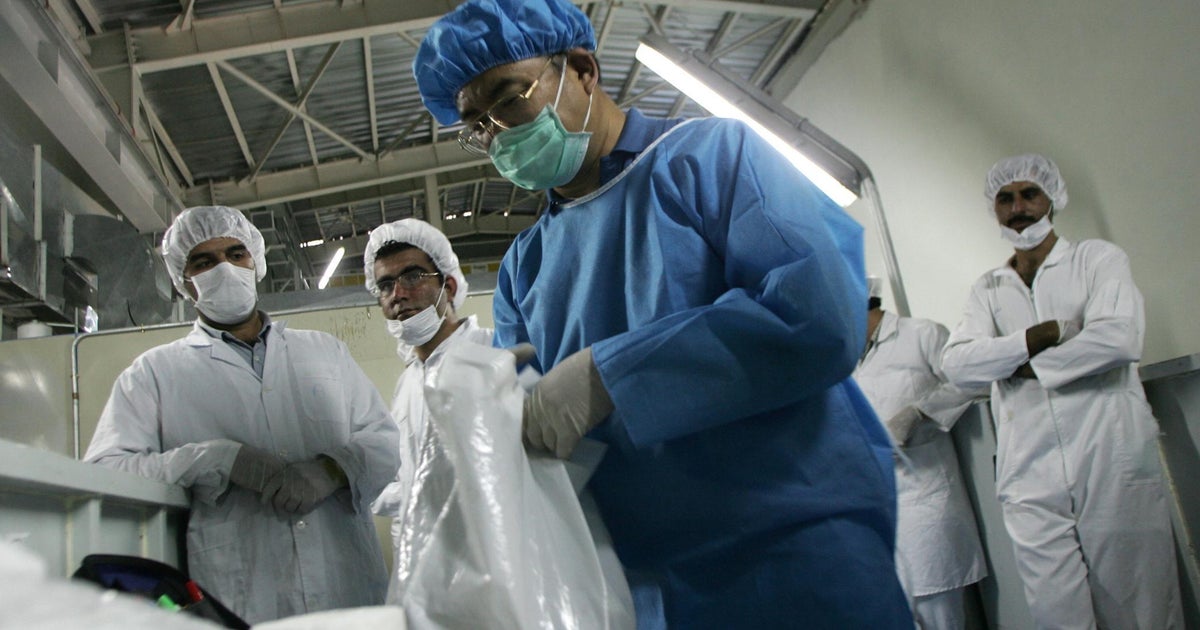
Varank described the production of Türkiye’s domestically developed electric vehicle, Togg, as “the right step at the right time” in advancing the country’s electrification goals, adding that expanding nuclear energy capacity should be another priority in supporting the country’s transition to a low-carbon energy system.
Türkiye’s latest step toward this goal has been expanding nuclear cooperation with South Korea. A memorandum of understanding was signed in November 2025 between Türkiye’s nuclear energy company and Korea Electric Power Corp. (KEPCO), laying an important foundation for future cooperation. A second agreement on financing nuclear power projects was signed with Korea Eximbank (KEXIM) in November 2026.
Alongside large-scale nuclear projects, Varank stressed the need to invest in smaller, reliable and domestically developed technologies, such as small modular reactors (SMRs).
Türkiye has also taken steps to develop its own SMR technology and establish domestic manufacturing capabilities.
In September, Minister Bayraktar said Türkiye aims to have its first SMR operational in the first half of the 2030s.
DAILYSABAH wp:paragraph
About the Author